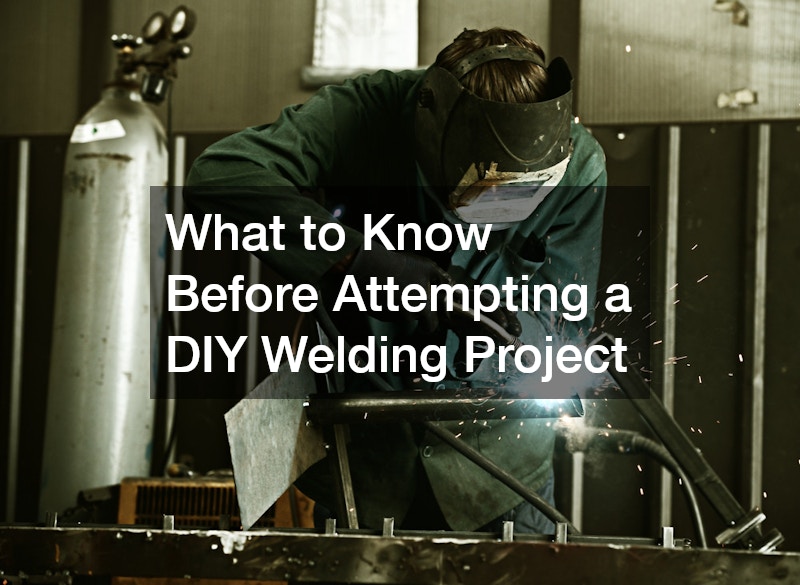
Taking on a hands-on metalworking project can be appealing for anyone who enjoys building or repairing things at home. However, working with high heat, specialized tools, and structural materials requires more preparation than many people expect. Before starting a DIY welding project, it is important to understand the technical requirements, safety considerations, and limitations involved. A well-informed approach helps reduce risk while improving the quality and durability of the final result.
One of the first things to evaluate is the type of equipment needed for the job. Not all processes are the same, and choosing the wrong method can lead to weak joints or damaged materials.
Video Source
For example, MIG and TIG techniques each require different machines, shielding gases, and levels of operator skill. Beginners often gravitate toward MIG setups because they are generally easier to learn, but even that option still demands a clear understanding of settings, wire types, and voltage control.
Material compatibility is another critical factor. Different metals respond differently to heat, and improper handling can lead to warping, cracking, or incomplete fusion. Steel, aluminum, and stainless steel each require specific approaches, including proper filler materials and temperature management. Without this knowledge, it becomes difficult to achieve consistent, structurally sound results.
In addition to the primary machine, supporting tools are essential. Clamps, grinders, wire brushes, and protective surfaces all play a role in preparing and finishing the workpiece. Skipping these items can compromise both accuracy and safety. Proper preparation ensures that surfaces are clean and aligned, which directly affects the strength of the finished joint.
Finally, workspace setup should not be overlooked. A controlled environment with adequate ventilation and fire-resistant surfaces is necessary for safe operation. Attempting to weld in a cluttered or poorly ventilated area increases the risk of accidents and exposure to harmful fumes. Establishing a dedicated workspace creates a more controlled and efficient process from start to finish.
Safety should be the top priority in any DIY weld. The process involves extreme heat and potentially hazardous fumes, which can pose serious risks without proper precautions. Personal protective equipment is not optional. A high-quality helmet with the correct shade level protects the eyes from harmful radiation, while flame-resistant gloves and clothing help prevent burns.
Ventilation is another key consideration. The fumes produced during welding can contain toxic particles, especially when working with coated or treated metals. Without proper airflow or filtration, prolonged exposure can negatively affect respiratory health. Setting up fans or working in an open, well-ventilated area significantly reduces this risk.
Fire hazards are also a major concern. Sparks and molten metal can travel several feet from the work area, potentially igniting nearby materials. Removing flammable items and keeping a fire extinguisher within reach is essential. Even small oversights in this area can lead to serious consequences, particularly in enclosed or residential spaces.
Before starting, it is important to realistically assess your skill level. Many DIY enthusiasts underestimate the complexity of learning to weld, assuming it is similar to other home improvement tasks. In reality, it requires a combination of technical knowledge, hand-eye coordination, and experience. Starting with a simple project allows beginners to build confidence while learning essential techniques.
Project scope should align with current capabilities. Attempting a large or structurally critical project too early can lead to costly errors. For example, repairs involving load-bearing components or safety-related structures demand a higher level of precision and reliability. In these cases, professional assistance may be the better option.
Time investment is another factor to consider. Learning proper techniques does not happen instantly. It takes repeated practice to achieve clean, consistent welds. Rushing through the process often results in weak joints or poor aesthetics, which may require rework or complete replacement of materials.
Budget considerations also come into play. While DIY projects are often seen as cost-saving measures, the initial investment in equipment and safety gear can be significant. Factoring in these costs, along with the potential for material waste during the learning phase, provides a more accurate picture of the overall expense.
A DIY welding project can be both rewarding and practical when approached with the right level of preparation. Understanding equipment, prioritizing safety, and setting realistic expectations are all essential steps in achieving a successful outcome. Skipping these considerations increases the likelihood of errors, injuries, and unsatisfactory results.