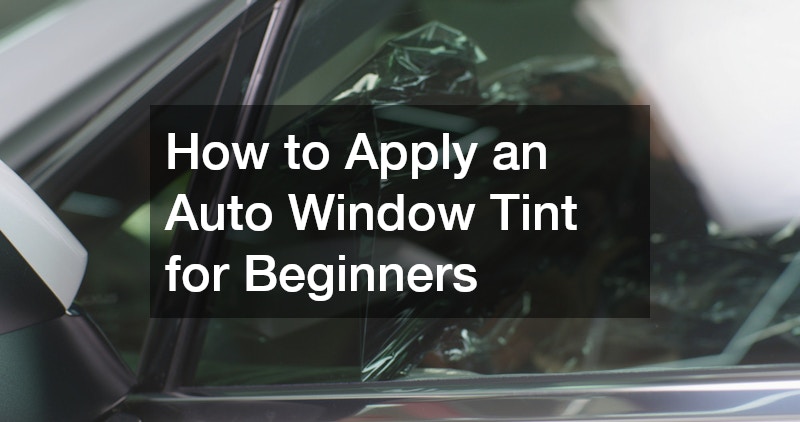
Improving a vehicle’s appearance and interior comfort often starts with small upgrades that make a noticeable difference. Installing a car upgrade like window tint can improve comfort, reduce glare, and enhance privacy, but it also requires precision and patience, especially for beginners.
Many first-time installers underestimate how much preparation and attention to detail are involved, which can lead to bubbles, peeling, or uneven coverage. Understanding the basic process before starting helps ensure a smoother application and a more professional-looking result. With the right approach, even someone with limited experience can achieve clean, durable results that hold up over time.
Video Source
The first step in applying tint is selecting the right film and preparing a controlled workspace. Not all tint films are created equal, and beginners should choose a flexible, forgiving material that is designed for DIY installation. Higher-quality films typically include better adhesive layers and are less prone to bubbling, which makes them easier to handle during application.
Before beginning, the vehicle windows should be thoroughly inspected for imperfections, dust, or residue. Even small particles can interfere with adhesion and create visible flaws once the film is applied. A clean, shaded environment is also important, since direct sunlight or wind can cause the adhesive to dry too quickly or introduce contaminants during installation.
Proper preparation reduces mistakes later in the process. Taking the time to organize tools, such as a squeegee, spray bottle, and lint-free cloths, helps ensure a smoother workflow and minimizes interruptions once installation begins.
Surface preparation is one of the most important steps when applying window tint. The glass must be completely free of grease, dust, and debris before the film is positioned. A mixture of soap and water is commonly used to clean the surface, followed by a careful drying process that ensures no streaks or particles remain. Many installers repeat this step multiple times to ensure a flawless base.
After cleaning, a precise measurement of each window is necessary. Tint film should be cut slightly larger than the glass area to allow for trimming and adjustment during installation. This extra margin makes it easier to align the film correctly and reduces the risk of leaving uncovered edges.
Accuracy during this stage directly impacts the final appearance. Even small measurement errors can lead to uneven coverage or visible gaps. Taking time to double-check dimensions before cutting helps avoid wasting material and improves overall results.
Once the glass is prepared and the film is cut, the next step is positioning. The adhesive side of the film is typically activated using a light spray of soapy water, which allows the installer to slide and adjust it into place. This flexibility is especially helpful for beginners who may need several attempts to achieve perfect alignment.
Careful handling is essential during this stage to avoid creases or trapped air pockets. A squeegee is used to press the film firmly against the glass, working from the center outward to push out excess liquid and air. Slow, steady movements help ensure even adhesion and a smooth surface.
If mistakes occur, the film can often be lifted and repositioned while still wet, but repeated adjustments should be minimized to avoid weakening the adhesive. Patience is key, as rushing this step often leads to visible imperfections once the film dries.
After the film is fully applied, trimming excess material along the edges creates a clean, professional finish. A sharp blade is typically used to carefully follow the window’s outline without scratching the glass. Attention to detail here helps ensure that the tint blends seamlessly with the window frame.
The curing process is equally important. Once installed, window tint needs time to fully bond with the glass as moisture evaporates from beneath the film. Depending on environmental conditions, this can take several days. During this period, small bubbles or hazy areas may appear, but these usually disappear as the film settles.
Avoid rolling down windows or cleaning the glass too soon after installation. Allowing adequate curing time ensures durability and prevents premature peeling or shifting. Proper aftercare is essential for maintaining a smooth, long-lasting finish.
Applying tint for the first time requires patience, preparation, and attention to detail, but the process becomes manageable when broken into clear steps. From selecting quality materials to carefully positioning and curing the film, each stage contributes to the final outcome.