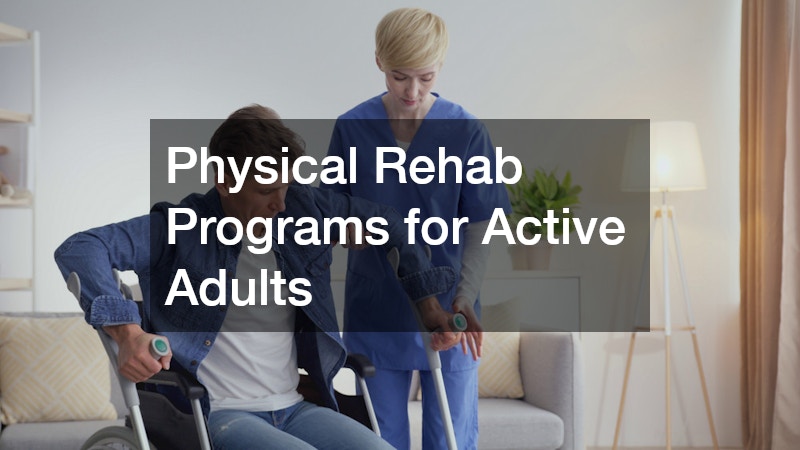
This article will explore various physical rehab programs tailored for active adults, addressing common questions and considerations in rehabilitation.
Physical rehabilitation programs offer numerous benefits for active adults seeking to maintain or improve their overall well-being. These programs focus on restoring physical function and mobility, which is essential for those who regularly engage in physical activities. Additionally, participating in a structured rehab program can enhance muscle strength, improve posture, and increase flexibility, all of which contribute to a more active and healthier lifestyle.
Video Source
Aside from the physical advantages, rehab programs also provide mental and emotional benefits. The sense of accomplishment from achieving rehabilitation goals can significantly boost confidence and motivation. Moreover, these programs often include educational components that empower individuals with knowledge about body mechanics and injury prevention, fostering a proactive approach to personal health management.
Socially, physical rehab programs can present opportunities for active adults to connect with others sharing similar experiences. Group classes or therapy sessions can serve as platforms for building supportive relationships, reducing feelings of isolation often encountered during recovery. As a result, these programs can enhance both social well-being and personal growth, creating a well-rounded rehabilitation experience.
Rehabilitation programs are equipped to address a wide array of injuries common among active adults. Sports-related injuries, such as sprains, strains, ligament tears, and fractures are frequently seen in these programs. Additionally, conditions related to aging, like arthritis and tendinitis, are also manageable through targeted rehabilitation strategies, ensuring adults can remain active with less discomfort.
Sports injuries often occur due to overuse or improper techniques, which rehabilitation programs aim to correct through personalized treatment plans. By incorporating strengthening exercises and flexibility training, these programs help decrease the likelihood of re-injury. Over time, individuals can regain confidence in their physical capabilities, ultimately leading to a safer and more sustainable engagement in sports and recreational activities.
Rehab programs also address chronic conditions linked to overexertion or prior injuries, emphasizing long-term management. Therapeutic interventions, including exercise regimens developed by physical therapists, focus on restoring function and alleviating pain. For those with age-related conditions, rehabilitation aims to enhance mobility and quality of life, allowing active adults to continue enjoying their passions.
Choosing the right rehabilitation program begins with understanding personal health objectives and individual needs. Consulting with healthcare providers, such as physical therapists or sports medicine specialists, is essential for tailored recommendations. These professionals can evaluate injury specifics and offer insight into appropriate program options, ensuring a targeted approach to recovery.
Considerations when selecting a rehab program include the nature of the injury, desired outcomes, and personal preferences. Programs may range from intensive inpatient care to outpatient services or home-based regimens, depending on the individual's circumstances. Additionally, some programs offer specialized treatments, such as aquatic therapy or Pilates-based rehabilitation, which may align better with specific recovery goals.
Evaluating a program's credentials and reputation is also crucial in the decision-making process. Researching facility accreditations, therapist qualifications, and patient testimonials provides valuable information about program efficacy. By aligning personal goals with expert recommendations and evaluating program quality, active adults can confidently choose the right rehabilitation pathway.
The rehabilitation process is designed to be comprehensive, catering to the diverse needs of active adults. It typically begins with an initial assessment, where therapists evaluate physical condition and set measurable goals. This stage is critical for creating an individualized treatment plan, outlining the exercises and therapies necessary for a successful recovery journey.
Treatment plans within rehab programs encompass various modalities aimed at enhancing strength, flexibility, and endurance. These may include strength training, cardiovascular exercises, and manual therapy techniques, each selected to meet unique recovery objectives. Regular progress tracking and updates to the treatment plan ensure that the rehabilitation process remains dynamic and responsive to an individual's evolving needs.
Throughout the rehabilitation journey, individuals should anticipate a partnership with therapists fostering empowerment and education. Active participation in exercises and open communication with healthcare providers are vital for optimizing recovery outcomes. As individuals progress through the program, they gain not only physical benefits but also valuable insights into preventive strategies for future injury avoidance, supporting long-term health and well-being.
Physical rehab programs are crucial for helping active adults recover from injuries and maintain their physical health, and understanding the key aspects of these programs can enhance outcomes. By emphasizing physical, mental, and social benefits, these programs promote holistic recovery and long-term wellness. With informed decisions, active adults can effectively navigate rehabilitation, optimizing their journey towards sustained health and activity.