Embarking on a major tree removal project requires more than just a chainsaw and a truck; it demands high-level expertise, specialized equipment, and a commitment to safety. Choosing the wrong provider can lead to property damage, legal liabilities, or personal injury. To protect your investment and your landscape, you must effectively vet local tree services.
Ensuring your chosen tree service holds proper licenses and insurance is non-negotiable. Licensed companies are mandated to fulfill specific criteria that ensure they operate under ethical guidelines.
Video Source
Insurance—specifically general liability and workers' compensation—is paramount. Without it, you could be held financially responsible for injuries occurring on your property or damage to a neighbor’s home. Always ask for valid certificates of insurance (COI) sent directly from the agency to verify their status.
Tree removal, especially near structures or power lines, is a technical feat. Companies with extensive work history are better equipped to handle unexpected shifts in weight or decaying trunk stability. Ensure the team includes a Certified Arborist. These professionals possess in-depth knowledge of tree biology and structural integrity, which is vital when deciding how to safely dismantle a large tree.
Safety should be the service's highest priority. Inquire about their adherence to OSHA and ANSI Z133 standards, which are the industry benchmarks for arboricultural safety. Look for companies that provide their crew with Personal Protective Equipment (PPE), such as high-visibility gear, helmets, and chainsaw chaps. A documented safety plan often correlates with higher quality work and a more professional approach.
Customer reviews offer firsthand insights into a company’s reliability. Look beyond the star rating and read about their problem-solving capabilities. Are they known for showing up on time? Do they protect the lawn from heavy machinery? Consistent complaints about specific issues, such as poor cleanup or hidden fees, are significant red flags. Platforms like Google and Yelp provide a balanced perspective on long-term service quality.
The Better Business Bureau (BBB) remains a trusted source for verifying business ethics. A high rating indicates the company resolves complaints effectively. Examine the nature of any filed disputes; a company that leaves issues unresolved is likely to do the same for you. This transparency provides confidence that you are dealing with a reputable service provider rather than a fly-by-night operation.
Directly contacting former clients can reveal details that online reviews miss. Ask specifically about the project's scope and if the final cost matched the estimate. A company’s willingness to provide a list of local references demonstrates transparency and confidence in their workmanship. This step is the best way to gauge the actual customer-service relationship and job satisfaction.
The consultation should begin with a site visit to assess the tree’s health and the surrounding environment. The service must identify potential obstacles, such as underground utility lines, septic tanks, or tight fences. They should explain the method of removal—whether by climbing and "roping down" sections or using a crane—to ensure you understand the impact on your property.
Never accept a verbal quote. A detailed written estimate should itemize the scope of work, including wood hauling, stump grinding, and tax. Transparent estimates prevent "scope creep," where costs rise as the project progresses. Be wary of vague estimates, as they often lead to disputes regarding what was actually included in the price.
Post-project cleanup is a major labor component. Ensure the contract specifies how debris will be handled. Will they chip the branches on-site? Will the heavy logs be hauled away or left for firewood? A professional service takes responsibility for leaving your property neat. Including these details in writing ensures you aren’t left with a massive pile of logs that require a second contractor to move.
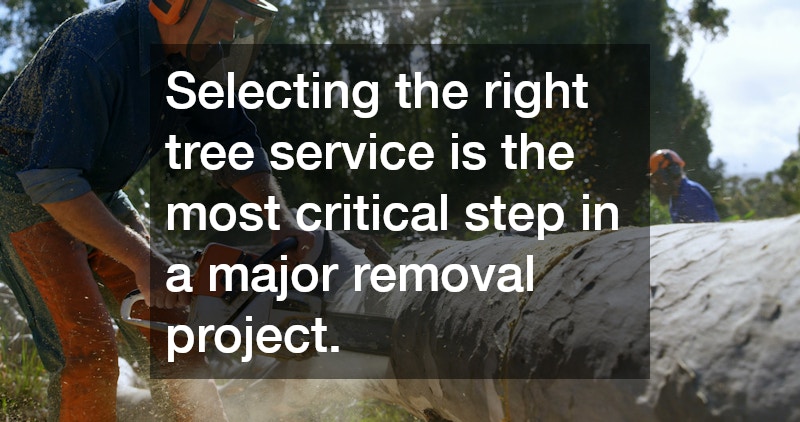
Selecting the right tree service is the most critical step in a major removal project. By verifying credentials, insisting on transparent communication, and prioritizing safety over the lowest bid, you protect both your property and your peace of mind. Taking the time to perform due diligence ensures that a potentially dangerous task is handled with the professionalism and care it deserves, leaving your landscape safe and clear for years to come.