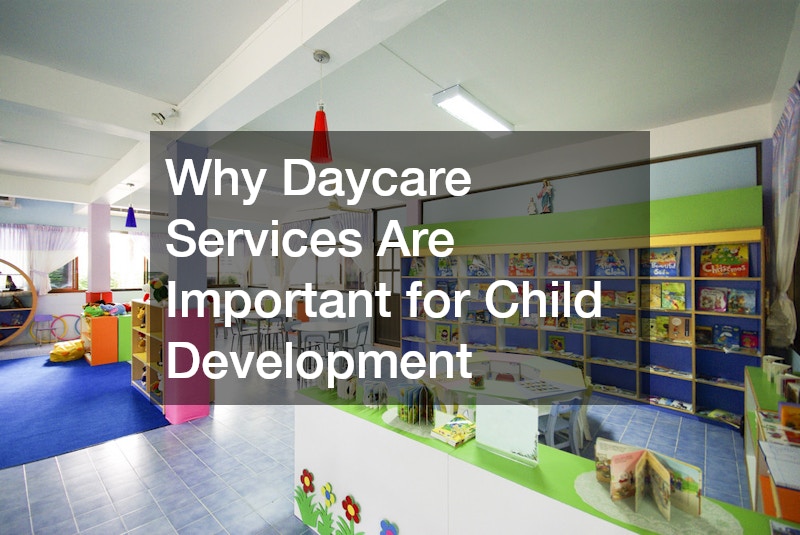
Early childhood is a critical stage of development, where children build the foundational skills that shape their social behavior, cognitive abilities, and emotional resilience. During these formative years, structured environments play a key role in guiding growth. High-quality daycare services provide more than supervision—they offer intentional learning experiences, social interaction, and routines that support holistic development. For many families, daycare is not just a convenience but an essential support system that helps children develop skills they will use throughout life.
Video Source
From communication and problem-solving to independence and adaptability, daycare environments help children grow in meaningful and measurable ways.
One of the most significant benefits of daycare services is the opportunity for children to interact regularly with peers. These early social experiences are essential for developing communication skills and learning how to navigate relationships. In daycare settings, children learn how to share toys, take turns, and cooperate during group activities. These simple interactions build empathy and help children understand the feelings and perspectives of others. Over time, they also develop conflict-resolution skills, which are essential for healthy relationships later in life.
Structured activities are a core part of many daycare services, helping children practice real-world scenarios in a safe and supportive environment. Through role-playing games such as pretend cooking, classroom play, or group storytelling, children learn how to express themselves and understand social roles. Daycare educators often guide these activities to encourage participation and communication. These experiences help children build vocabulary, improve listening skills, and gain confidence in expressing their ideas. Organized group play also reinforces cooperation and teamwork.
Many modern daycare environments are culturally diverse, exposing children to different backgrounds, languages, and traditions. This exposure plays a valuable role in shaping open-mindedness and respect for others. Within inclusive daycare services, children learn early that differences are normal and valuable. Celebrating cultural holidays, sharing stories, and engaging in multicultural activities help children develop an appreciation for diversity. This early exposure lays the foundation for empathy and social awareness in later life.
Cognitive development is strongly influenced by structured learning experiences. High-quality daycare services incorporate age-appropriate educational activities that promote problem-solving, memory, language development, and critical thinking. Activities such as counting games, storytelling, puzzles, and guided discussions encourage children to think actively and engage with new concepts. These structured environments help children develop early academic skills that prepare them for school readiness.
Daycare centers often provide access to a wide range of learning materials, including books, educational toys, art supplies, and digital learning tools. These resources are designed to stimulate curiosity and encourage exploration. Within daycare services, children are exposed to different forms of learning that cater to various developmental stages. Hands-on activities help reinforce concepts such as colors, shapes, numbers, and patterns, while interactive storytelling enhances imagination and comprehension.
Trained educators play a vital role in observing and supporting each child’s cognitive development. Through careful monitoring, they can identify strengths, challenges, and developmental milestones. Professional daycare services often include ongoing assessments that help tailor activities to individual needs. If a child shows advanced skills in one area or requires additional support in another, educators can adjust learning strategies accordingly. This personalized approach ensures that each child progresses at an appropriate pace.
Routine is essential for young children, as it provides structure and predictability. Consistent schedules in daycare services help children feel safe and secure, which is critical for emotional development. When children know what to expect throughout the day, they are less likely to experience anxiety or confusion. This sense of stability supports emotional well-being and helps children adapt more easily to group environments.
Daily routines also encourage children to take responsibility for simple tasks, such as cleaning up toys, washing hands, or putting away personal items. These small responsibilities help build independence and self-confidence. Within structured daycare services, children gradually learn to complete tasks on their own with minimal assistance. This independence fosters a sense of accomplishment and prepares them for more complex responsibilities in the future.
One of the long-term benefits of consistent routines is that they prepare children for the structured environment of formal schooling. Regular schedules, group learning activities, and teacher-led instruction closely resemble the classroom setting. Children who attend daycare services often transition more smoothly into kindergarten and elementary school because they are already familiar with following instructions, working in groups, and adapting to structured routines. This early exposure helps reduce anxiety and builds confidence in academic settings.
High-quality daycare services play a vital role in supporting early childhood development across social, cognitive, and emotional domains. Through structured learning environments, social interaction, and consistent routines, children gain essential life skills that prepare them for future success. From developing communication and cooperation skills to building independence and academic readiness, daycare provides a strong foundation for lifelong learning. By offering both educational and emotional support, daycare services help children grow into confident, capable, and well-adjusted individuals ready for school and beyond.