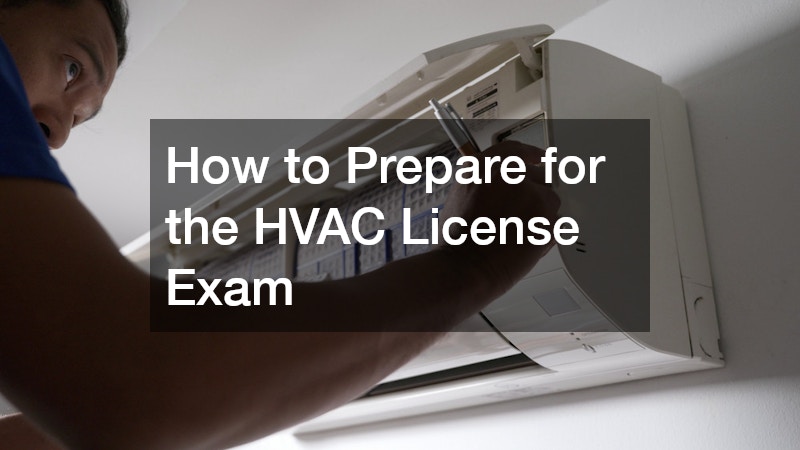
HVAC license prep is an important step for anyone aiming to become a certified heating, ventilation, and air conditioning technician. The HVAC license exam tests both theoretical knowledge and practical skills, so proper preparation is essential for success. Many candidates underestimate the scope of the exam and rely only on hands-on experience, but a balanced study approach is what leads to stronger results.
Video Source
Understanding the structure of the test, the key topics covered, and effective study methods can significantly improve confidence on exam day. With the right preparation strategy, passing the HVAC license exam becomes a more achievable goal rather than an overwhelming challenge.
Before beginning HVAC license prep, it is important to understand how the exam is structured. Most licensing exams include a combination of multiple-choice questions and scenario-based problems. These questions assess knowledge of electrical systems, refrigeration cycles, safety procedures, and building codes. Some exams also include calculations related to load sizing, airflow, and energy efficiency.
The exam is designed to test both technical understanding and decision-making skills. Candidates may be asked how to diagnose system failures, select proper tools, or apply safety regulations in real-world situations. According to industry training guidelines, licensing exams often emphasize code compliance and safety standards as heavily as technical knowledge. Understanding the format helps candidates focus their study efforts on the most important areas instead of wasting time on less relevant topics.
A major part of HVAC license prep involves mastering core technical concepts. These include refrigeration principles, electrical circuits, airflow dynamics, and system installation procedures. Understanding how heating and cooling systems function is essential for answering both theoretical and practical questions correctly.
Refrigeration cycles, for example, are a foundational topic that explains how heat is absorbed and removed in air conditioning systems. Electrical knowledge is equally important because HVAC technicians frequently work with wiring, motors, and control systems. Candidates should also be familiar with tools used in the field, such as manifold gauges, multimeters, and leak detectors.
Building a strong foundation in these areas helps improve problem-solving skills during the exam. Instead of memorizing answers, candidates who understand the underlying systems can apply their knowledge to different scenarios. This deeper understanding is often what separates passing scores from failing ones.
Another critical part of HVAC license prep is learning industry codes and safety regulations. HVAC technicians must follow strict guidelines to ensure systems operate safely and efficiently. These rules are often based on national or state building codes, as well as environmental regulations related to refrigerants.
Safety standards cover areas such as proper ventilation, electrical safety, and handling of refrigerants. For example, technicians must know how to safely recover refrigerants to prevent environmental damage. They must also understand lockout/tagout procedures to avoid electrical hazards during maintenance or repairs.
According to the U.S. Environmental Protection Agency, proper refrigerant handling is essential to reducing environmental impact and complying with federal regulations. Understanding these rules is not only necessary for passing the exam but also for performing safely in the field. Many exam questions are directly based on these codes, making this section especially important to study carefully.
Practice tests are one of the most effective tools for HVAC license prep. They help candidates become familiar with question formats and identify weak areas that need improvement. Taking multiple practice exams under timed conditions also helps build confidence and improve time management skills.
Study guides, flashcards, and online courses can also support learning. Breaking study sessions into smaller sections makes it easier to retain complex information. For example, focusing on one topic per study session—such as electrical systems one day and refrigeration the next—can improve long-term memory retention.
Hands-on experience should also be combined with study materials whenever possible. Working directly with HVAC systems reinforces theoretical knowledge and helps candidates understand how concepts apply in real-world situations. This combination of practice and study creates a more complete preparation strategy.]
Preparing for an HVAC license exam requires a combination of technical knowledge, code understanding, and practical study strategies. HVAC license prep should focus on mastering core systems, learning safety regulations, and practicing with sample exams to build confidence. By following a structured study plan and reinforcing both theory and hands-on skills, candidates can improve their chances of success.