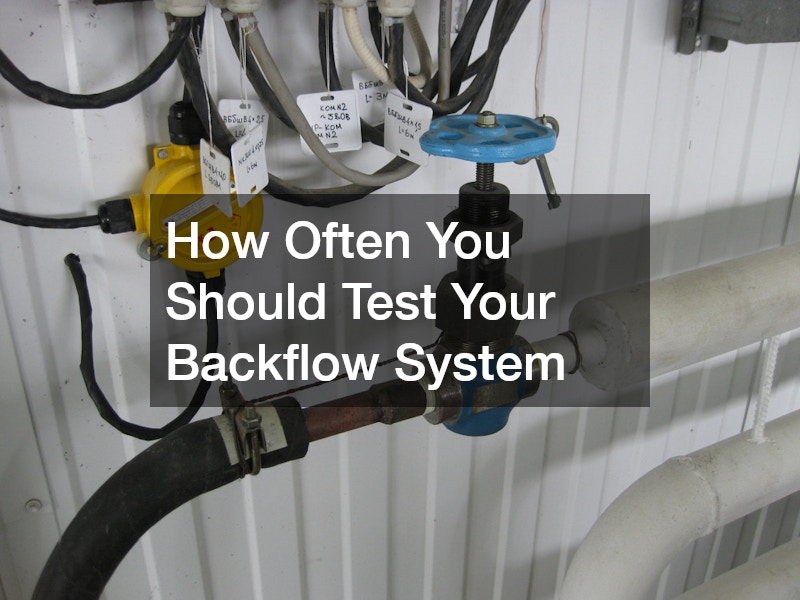
Backflow prevention systems are essential for protecting drinking water from contamination caused by reverse water flow. When pressure changes occur in plumbing lines, contaminated water can potentially flow back into clean water supplies. This is why regular maintenance and inspection are critical for safety and compliance. Routine backflow system testing helps ensure that these devices are functioning properly and continuing to protect the water supply as intended.
Without proper testing, a faulty backflow device may go unnoticed, putting homes, businesses, and even entire water systems at risk. Contaminants such as chemicals, fertilizers, or wastewater can enter potable water lines if prevention systems fail.
Video Source
Because of this risk, most local water authorities require scheduled testing to confirm that systems are working correctly throughout the year.
In most residential and commercial settings, backflow prevention devices should be tested at least once per year. Annual testing is the standard requirement in many municipalities because it provides a consistent check on system performance without excessive downtime or cost. This yearly inspection ensures that any wear, damage, or mechanical failure is identified early.
However, certain properties may require more frequent testing depending on usage and risk level. For example, commercial buildings, irrigation systems, and facilities handling chemicals or industrial materials may need testing every six months. High-risk environments demand closer monitoring because they have a greater chance of contamination events if something fails.
Several factors influence how often a backflow system should be tested. One of the most important is the type of property and how the water system is used. Residential homes typically have lower risk compared to commercial or industrial sites, which often handle substances that increase contamination risk.
Another factor is the type of backflow prevention device installed. Some devices are more complex and may require more frequent inspection due to their mechanical components. Older systems may also need additional testing because wear and tear can reduce reliability over time.
Environmental conditions can also play a role. Areas with fluctuating water pressure, seasonal temperature changes, or heavy water usage may experience more stress on plumbing systems. In these cases, more frequent testing can help identify issues before they become serious problems.
While regular testing is the best way to ensure proper function, there are also warning signs that may indicate a problem. Changes in water pressure, discolored water, or unusual taste or odor can all suggest that contamination may be occurring. These signs should never be ignored, as they may point to a failure in the backflow prevention device.
Leaks around the backflow assembly or visible damage to pipes and valves are also indicators that maintenance is needed. In some cases, a system may fail silently without obvious symptoms, which is why scheduled inspections are so important. Waiting for visible issues can put water safety at risk, making preventative testing essential.
Backflow testing must typically be performed by a certified professional who is trained in water safety standards and local regulations. These specialists use specialized equipment to measure pressure and ensure that valves are functioning correctly. After testing, they usually provide documentation that must be submitted to the local water authority.
Hiring a certified tester ensures that the inspection is done accurately and in compliance with legal requirements. In many areas, only approved testers are allowed to perform and certify backflow inspections. This helps maintain consistency and reliability across all systems being monitored.
Regular testing provides several important benefits beyond regulatory compliance. First, it protects public health by ensuring that drinking water remains safe and uncontaminated. This is especially important in areas where water systems are shared or connected across multiple properties.
Backflow prevention systems play a crucial role in protecting clean water supplies, but they are only effective when properly maintained. Most systems should be tested annually, though higher-risk properties may require more frequent inspections. Understanding local requirements, monitoring for warning signs, and working with certified professionals all contribute to a safer and more reliable water system.
By staying consistent with inspections, property owners can ensure long-term performance, regulatory compliance, and most importantly, the safety of their water supply.