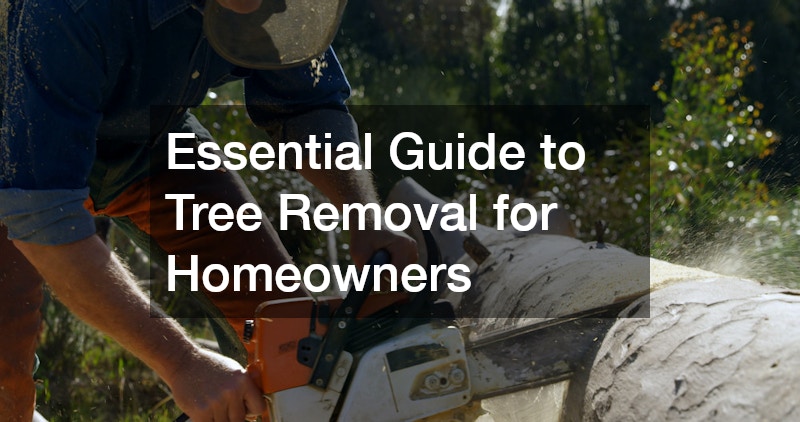
This article serves as a comprehensive guide for homeowners considering tree removal. It covers the important aspects of the process, safety measures, and best practices. For many homeowners, trees are a key component of landscaping that provide shade, privacy, and beautification.
Video Source
However, there are circumstances where tree removal becomes a necessity rather than a choice. By the end of this guide, you will be equipped with the necessary knowledge to approach tree removal with confidence.
Knowing when to remove a tree starts with identifying signs of damage or disease. Look for visible symptoms such as brittle branches, discolored leaves, or unusual fungus growth, which can indicate underlying health issues. Trees suffering from severe diseases are not only unsightly but may also pose hazards as their structural integrity weakens over time. In some instances, a diseased tree can spread its ailment to other healthy plants, causing further destruction in your yard. Consulting with an arborist for a professional evaluation can provide insight into the severity of the disease and the best course of action.
Assessing the safety risks associated with keeping a potentially hazardous tree is crucial in preventing property damage and personal injury. A tree threatening to fall due to rot or external damage can destroy homes, vehicles, and potentially injure people. During storm season, weakened trees are particularly liable to topple, making them a hazard. Prioritizing safety by assessing these risks forms the basis for deciding whether a tree should be removed. Engaging an arborist can provide a thorough risk evaluation and inform your tree management decisions.
Preparing for tree removal involves several critical steps to ensure a smooth and safe operation. First, check with local regulations to determine if permits are necessary. Securing the proper documentation helps avoid legal issues and ensures compliance with regional environmental laws. Additionally, performing a thorough assessment of the surroundings is essential to identify any potential obstructions, such as power lines or nearby structures. This evaluation aids in strategizing the safest approach for removal.
Understanding the tools and methods used in tree removal empowers homeowners to select the best approach for their specific situation. Chainsaws are a primary tool, valued for their power and precision when cutting down large sections or the entire tree. Additionally, employing safety gear, such as harnesses and helmets, is essential for the protection of the removal team. More advanced machinery, like cherry pickers or cranes, may be needed for larger or more precarious trees. Evaluating the scale and complexity of the task helps in determining the appropriate tools and techniques.
The cost of tree removal can fluctuate significantly based on various influencing factors. Tree size is perhaps the most prominent factor; larger trees require more time and effort to remove than smaller ones. Additionally, the tree’s location affects pricing—trees in hard-to-access areas often incur additional fees due to the complexity of the operation. Other considerations include the tree's condition, with dead or unstable trees sometimes presenting higher risk and thus escalating costs. Understanding these variables can help homeowners set more realistic budget expectations.
Creating an effective budget for tree removal services involves careful planning and comparison shopping. Start by obtaining assessments from multiple providers to understand the range of pricing in the area. Comparing services ensures that homeowners receive competitive offers without sacrificing quality or safety. While lower prices may seem appealing, it's vital to evaluate the reputability and experience of the provider alongside cost. Investing in a skilled and insured service can prevent accidents or damage, safeguarding your property and budget in the long term.
Tree removal is a significant decision for homeowners that requires careful consideration and planning. By understanding when to remove a tree, the process involved, and the financial implications, homeowners can make informed choices that enhance the safety and aesthetics of their property. While tree removal can be an extensive project, it is essential for maintaining safety and property integrity. Equipped with the right information and resources, homeowners can approach this task with confidence and efficiency. Successful tree removal not only removes immediate threats but also fosters the opportunity for new growth and landscaping possibilities.