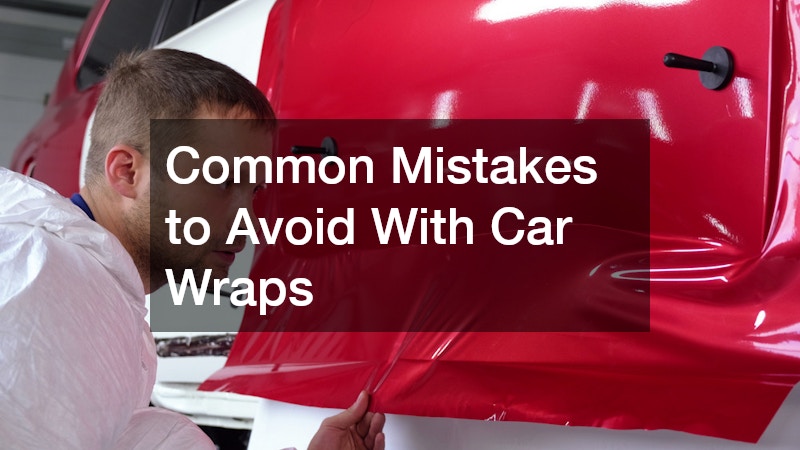
Car wraps are an excellent way to personalize your vehicle and promote your business. However, there are common mistakes that people often make that can compromise the quality and longevity of the wrap.
Video Source
This article outlines key areas to focus on to avoid these pitfalls. Understanding how to select materials, master installation techniques, and maintain your wrap's appearance are crucial components to guarantee enduring results. By steering clear of these errors, you can ensure that your car wrap investment is both attractive and cost-effective. Let's dive into these topics in detail so you can optimize your car wrap experience.
1. Choosing the Wrong Material
Understanding Vinyl Types
Choosing the right vinyl material is a critical first step in the car wrapping process. Several different types of vinyls exist, each offering unique features. For instance, cast vinyl is highly durable, typically lasting 5 to 12 years, and can withstand environmental stress better than calendered vinyl. Calendered vinyl, while cheaper, generally only lasts 1 to 5 years and may crack or peel quicker under harsh conditions. It's crucial to understand these differences when selecting the material that fits your needs and budget, ensuring you don't sacrifice quality for cost savings.
The Impact of Quality on Longevity
Investing in quality vinyl materials may seem costly upfront, but it pays off in the long run. Inferior vinyls often degrade quickly, leading to unsightly damages like fading and cracking that compromise appearance and functionality. By contrast, high-quality vinyls maintain their vibrancy and adhesion, even after years of exposure to the elements. Maintaining a professional image is essential, especially for business vehicles, and using durable materials ensures your wrap continues to make a positive impression.
2. Improper Installation Techniques
DIY vs. Professional Installation
Deciding between DIY and professional installation is a critical choice that can significantly affect the outcome of your car wrap project. While a DIY approach might seem cost-effective, it requires a significant level of skill and precision. Any mistakes made during installation can lead to bubbles, wrinkles, or uneven application, all of which detract from the wrap's professional appearance. It’s also worth noting that errors could lead to additional costs for repairs or even complete re-application.
Importance of Surface Preparation
Preparing the vehicle's surface is an essential step that should never be overlooked in the wrapping process. A clean, smooth surface is crucial for optimal adhesion, which prevents bubbles from forming under the wrap. Proper cleaning involves removing all dirt, wax, and grease, ensuring there are no barriers to the adhesive's effectiveness. Neglecting this step can result in a compromised application that requires rework or replacement.
3. Neglecting Maintenance and Care
Cleaning Tips for Car Wraps
Regular cleaning is a crucial aspect of car wrap maintenance that extends its lifespan and keeps it looking its best. It is recommended to wash the vehicle every two weeks, using a mild detergent and a soft cloth or sponge to avoid scratches. Avoid using high-pressure washers as they can damage the edges of the wrap and cause peeling. After washing, always ensure the vehicle is thoroughly dried to prevent water spots.
When it comes to stain removal, prompt action is key. Leaving bird droppings, tree sap, or other contaminants on the wrap for extended periods can lead to permanent stains. These substances can be acidic and eat away at the material if not cleaned promptly. Specialist car wrap cleaning products are available and can be effective in removing stubborn stains without damaging the vinyl.
When to Seek Professional Help
Recognizing when to seek professional assistance for your car wrap is vital for addressing issues before they escalate. If you notice peeling, bubbling, or significant vinyl damage, consulting a professional can prevent further complications. They can offer solutions such as reapplication or touch-up services, ensuring the wrap retains its intended appearance and function.
Professional help may also be required when dealing with specialized repairs or modifications. Adjustments for rebranding, damage from accidents, or enhancements to the original design are best handled by experts. They possess the expertise to handle delicate operations without compromising the wrap's condition or aesthetics.
Investing effort upfront minimizes future remedial work and ensures the wrap remains a viable asset over its entire lifespan. For those leveraging wraps for business purposes, the benefits extend beyond aesthetics to encompass brand recognition and customer engagement. With due diligence, you can harness these advantages to the fullest, keeping your vehicle wrapped in success.