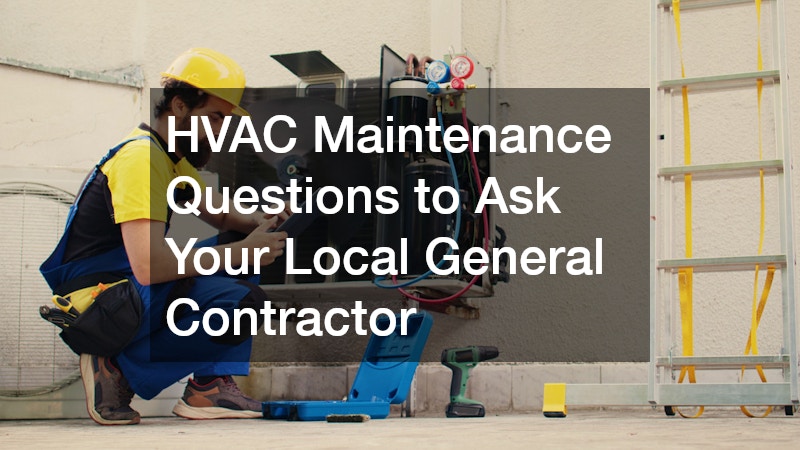
When it comes to maintaining your home's comfort and efficiency, HVAC maintenance plays a crucial role. An HVAC system is responsible for heating, cooling, and ventilating your home, making it essential to keep it functioning at its best. By asking the right questions, you can ensure that your system remains efficient and reliable over the years. Regular check-ups not only help in understanding your system's needs but also prevent expensive repairs and replacements in the future. Here's what you need to know before consulting with your local general contractor to keep your home comfortable and your heating and cooling expenses under control.
1. What Are the Recommended Maintenance Intervals for My HVAC System?
Understanding Scheduled Maintenance
Scheduled maintenance of your HVAC system is paramount in ensuring its longevity and efficiency. Often, contractors recommend bi-annual check-ups, typically in the fall for your heating system and in the spring for the cooling system.
Video Source
During these inspections, various parts are examined and serviced, such as replacing air filters and inspecting the system's electronic controls. These preventive measures are designed to catch problems before they turn into costly repairs. Besides, regular maintenance helps in improving air quality, ensuring you breathe clean and pollutant-free air inside your home.
The importance of regular maintenance cannot be overstated. With consistent attention, potential issues like blocked air ducts, leaking refrigerants, or faulty thermostats can be handled promptly. Additionally, routine check-ups help maintain the manufacturer's warranty, which often requires evidence of proper maintenance. Ignoring regular upkeep can lead to breakdowns during extreme weather conditions, potentially leaving you uncomfortable. Furthermore, a well-maintained HVAC system operates more efficiently, consuming less energy and reducing your utility bills significantly over time.
Without scheduled maintenance, you risk your HVAC system deteriorating faster than expected. Components that go unchecked can malfunction or fail, leading to the need for costly emergency services. Engaging a reliable general contractor to handle these scheduled inspections can provide you with peace of mind, knowing your system is in expert hands. Moreover, contractors often offer annual maintenance plans that can save you money and ensure priority service in times of need. By sticking to a maintenance schedule, you essentially prolong the life of your HVAC system and improve its efficiency.
2. How Can I Improve My HVAC System's Efficiency?
Upgrades and Adjustments
Improving your HVAC system's efficiency is not only about cutting costs but also about reducing your environmental footprint. One of the simplest ways to enhance efficiency is by upgrading to a programmable thermostat, allowing you to control the temperature automatically based on your schedule. This ensures that the system isn't working overtime when you're not home, which conserves energy and prolongs the system's lifespan. Additionally, regular cleaning or replacement of air filters is crucial as clogged filters reduce airflow and efficiency. Small adjustments and upgrades to your system can culminate in significant energy savings and improved comfort.
Another effective way to improve system efficiency is to focus on the ductwork. Over time, ducts can develop leaks, tears, or become obstructed, leading to uneven cooling or heating throughout your home. Sealing and insulating your ductwork can enhance the overall efficiency, ensuring that air is distributed evenly and effectively. You may also consider adding a zoning system that allows you to control temperatures in different parts of your house independently. This targeted approach reduces unnecessary energy consumption in unused zones and contributes to a balanced and controlled home environment.
In addition to equipment upgrades and ductwork attention, you should ensure that your home insulation is adequate. Proper insulation acts as a buffer, maintaining your desired indoor temperature and reducing the load on your HVAC system. Windows, doors, and attics are common places where heat escapes, so consider effective insulation strategies to ensure efficiency. Consulting with your general contractor can reveal various options for energy-efficient upgrades tailored to your home. By taking these steps, you maximize your system's output while minimizing energy waste and increasing overall comfort.
3. What Are the Signs I Need to Call for Professional HVAC Service?
Identifying Warning Signs
Identifying the early warning signs of HVAC issues can prevent minor problems from escalating into major headaches. Pay attention to unusual noises such as bangs, clatters, or hissing sounds, as these can indicate problems like loose components or refrigerant leaks. Another sign to watch for is temperature inconsistency, where some rooms are never comfortable despite your efforts with the thermostat. An increase in energy bills without a corresponding increase in usage can also signal an issue needing professional assessment. While some noise and fluctuations are normal, persistent or extreme issues warrant a call to your HVAC specialist.
Aside from the obvious signs, there are subtle indicators that require vigilance. For instance, frequent cycling — where your HVAC system turns on and off more than usual — can indicate underlying problems such as thermostat difficulties or airflow obstructions. If your unit is failing to maintain the set temperature or if there's a noticeable lack of airflow, these are red flags not to be ignored. Evidence of excess humidity or mold growth can also point to deficiencies in your system's ability to properly ventilate. Being keenly observant can save you costly repairs by addressing these issues promptly.
Finally, don't dismiss the importance of professional tune-ups even if your system seems to be operating smoothly. Regular visits from a qualified HVAC technician can uncover hidden problems or areas for improved efficiency that a layperson might overlook. Such appointments can extend the life of your HVAC system and provide peace of mind knowing that experts have evaluated its performance. During these service calls, technicians not only fix existing issues but also provide valuable advice on optimization and early detection techniques. Thus, staying connected with professional services is as vital as the technology itself in maintaining a healthy HVAC system.
Regular interaction and inquiry with your local general contractor can save time, reduce costs, and extend the life of your HVAC system. Keeping informed about these critical maintenance considerations ensures you remain proactive in maintaining a comfortable home environment. The initial effort you invest in understanding your HVAC system and establishing a maintenance routine can lead to significant long-term rewards, including improved efficiency and reduced energy bills. By improving efficiency, you also contribute positively to environmental conservation by lowering your carbon footprint. Thus, the collaboration between homeowners and contractors is crucial in crafting living spaces that are not only comfortable but also sustainable.