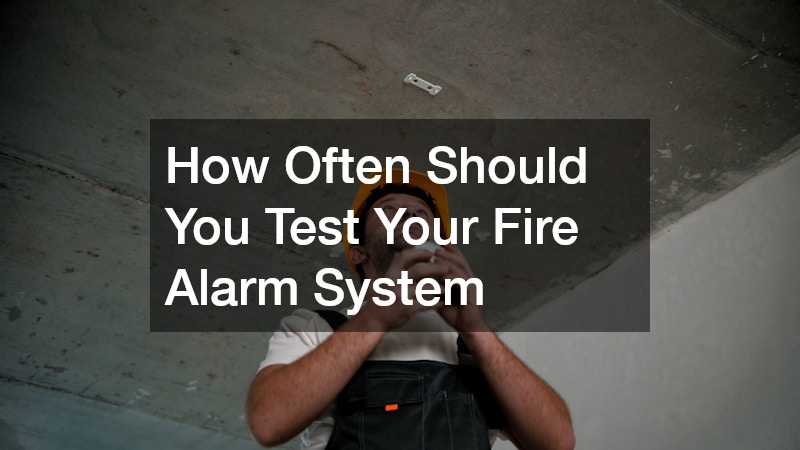
A fire alarm system is one of the most important safety features in any home, business, or commercial property. Its primary purpose is to provide early warning in the event of a fire, giving occupants valuable time to evacuate and emergency responders a chance to react quickly. However, a fire alarm system can only perform effectively if it is properly maintained and tested on a regular basis. Many property owners assume that once an alarm is installed, it will continue to work indefinitely without attention. In reality, routine testing is essential, which is why many property owners work with professional fire alarm companies to help ensure their systems remain reliable and compliant with safety standards.
Fire alarm systems are designed to operate during emergencies, but like any electronic equipment, components can wear out or malfunction over time. Batteries can lose power, sensors may become dirty, wiring can deteriorate, and communication devices can fail.
Video Source
Without regular testing, these issues may go unnoticed until an actual emergency occurs. A malfunctioning alarm system can delay evacuation, increase property damage, and put lives at risk. Routine testing helps identify problems early so repairs can be made before they become serious safety concerns. Regular testing also provides peace of mind. Knowing that your fire alarm system is functioning properly allows occupants, employees, and property owners to feel more confident about their safety.
For many properties, a basic fire alarm test should be performed once a month. Monthly testing typically involves checking that alarm signals activate correctly and ensuring that control panels display normal operating conditions.
Homeowners can often perform simple tests using the test button on smoke alarms and detectors. Commercial properties may have more advanced systems that require additional procedures to verify proper operation. Monthly testing helps detect common issues such as weak batteries, faulty detectors, or communication failures. Consistent checks can prevent small problems from developing into larger concerns.
Commercial buildings often require more comprehensive inspections than residential systems. Depending on local regulations and the type of facility, quarterly testing may be recommended or required.
These inspections typically involve evaluating alarm devices, notification appliances, monitoring equipment, and communication systems. Technicians may also inspect wiring, power supplies, and backup batteries to confirm that all components are functioning correctly. Businesses that rely on fire alarm systems to protect employees, customers, and assets benefit greatly from regular professional inspections that help maintain system reliability.
In addition to routine checks, most fire alarm systems should undergo a comprehensive professional inspection at least once per year. Annual testing is designed to evaluate the entire system and verify that all components perform according to manufacturer specifications and applicable safety codes.
During an annual inspection, technicians may test smoke detectors, heat detectors, manual pull stations, control panels, alarm signals, emergency communication devices, and backup power sources. They also verify that the system responds appropriately under various conditions. Professional inspections provide a deeper level of evaluation than routine user testing and can uncover hidden issues that may not be immediately visible.
Batteries play a critical role in fire alarm performance. Even systems connected to building power supplies often include backup batteries that allow operation during power outages.
Battery testing should be included as part of every routine inspection. Weak or expired batteries can compromise alarm functionality and reduce system reliability during emergencies. Many manufacturers recommend replacing batteries at regular intervals, even if they appear to be functioning properly. Following maintenance guidelines helps ensure uninterrupted protection when it matters most.
While scheduled testing is important, certain warning signs should never be ignored. Frequent false alarms, chirping sounds, warning lights, or error messages on the control panel may indicate underlying issues.
Physical damage to detectors, exposed wiring, or devices that fail to respond during testing also require prompt attention. Any unusual behavior should be investigated as soon as possible to prevent system failure. Addressing problems early can help avoid costly repairs and maintain the effectiveness of the entire fire protection system.
Monthly checks, periodic inspections, battery maintenance, and annual professional testing all contribute to a reliable fire protection strategy. By making fire alarm testing a priority, property owners can help safeguard lives, reduce risks, and improve overall safety.