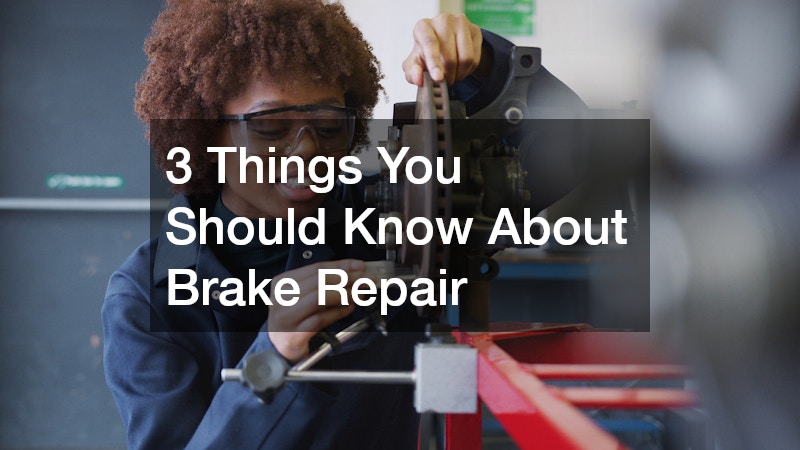
Understanding brake repair is an essential aspect of vehicle maintenance, critical for ensuring safety and optimal performance on the road. Brakes are one of the most crucial safety components of any vehicle, and their maintenance cannot be overlooked. This article will delve into the fundamental aspects that every driver should be aware of regarding brake repair.
Video Source
We will explore how often you should have your brakes inspected, examine the different types of repair procedures, and discuss the associated costs. This comprehensive guide aims to equip you with the knowledge you need to maintain your vehicle's braking system effectively.
The frequency of brake checks can depend on several factors, including your driving habits, the type of vehicle you own, and the environmental conditions in which you typically drive. If you frequently find yourself driving in stop-and-go traffic or on mountainous roads, your brakes might wear out faster, necessitating more frequent checks. Additionally, the make and model of your vehicle can influence wear rates; some vehicles feature brakes that tend to wear down quicker than others.
Being attuned to your vehicle's behavior is crucial for detecting when a brake inspection might be necessary. Common signs include unusual noises, like squealing or grinding, which can indicate worn brake pads. A pulsing or vibrating brake pedal is another red flag, often signaling an uneven rotor surface. If you notice your vehicle pulling to one side upon braking, this might suggest an issue with the brake caliper or uneven brake wear. It’s important to address these symptoms early to avoid more serious, costly repairs.
Brake repair encompasses a variety of techniques, each crucial for maintaining a vehicle's safety and performance. One of the most common repairs is brake pad replacement, necessary when pads have worn down to an unsafe level. Brake pads play a critical role in providing the friction needed to slow or stop the vehicle, making regular replacements vital. Another common technique is rotor resurfacing, which addresses uneven surfaces on the rotor that can cause vibrations when braking. Both of these repairs are essential for ensuring efficient, reliable braking power.
Brake fluid is a crucial component of any braking system, acting as the life force that transfers the brake pedal’s pressure to the brakes themselves. This fluid must remain in good condition and at appropriate levels to ensure proper brake function. Over time, brake fluid can absorb moisture, leading to diminished performance and potential brake system failures. For optimal safety, it’s advisable to check and change your brake fluid regularly, typically every 2 years or as recommended by your vehicle’s manufacturer.
The cost of brake repairs can vary significantly based on numerous factors, including the type of vehicle, the specific components needing repair, and labor rates in your area. Luxury or sports vehicles often require specialized parts that can drive costs higher. Material quality is another factor, as higher-grade materials can lead to more expensive parts but may also offer increased longevity. Labor costs are largely dependent on the repair shop's rates, which can vary widely between regions and businesses. Understanding these elements can help you anticipate expenses and manage your budget.
Securing the best value for brake repairs begins with choosing a reputable repair shop. It's crucial to select a service provider with a proven track record of customer satisfaction, adherence to high standards, and the use of quality parts. Reading online reviews and seeking recommendations from friends and family can be a good starting point. Establishing trust with your mechanic ensures you receive honest assessments and transparency in repair options. With this relationship, you can feel confident about the value and quality of the services you receive.
Brake repair is a vital part of vehicle maintenance, affecting your safety and the vehicle’s performance on the road. By gaining insight into when to have your brakes inspected, understanding the types of repairs that might be required, and learning about the potential costs involved, you can make informed decisions for maintaining your vehicle's braking system. Remaining proactive with maintenance, aware of warning signs, and knowledgeable about repair options can prevent serious issues and promote safe driving experiences. Ultimately, well-maintained brakes contribute not only to fewer repairs but also to increased safety and peace of mind during your travels.