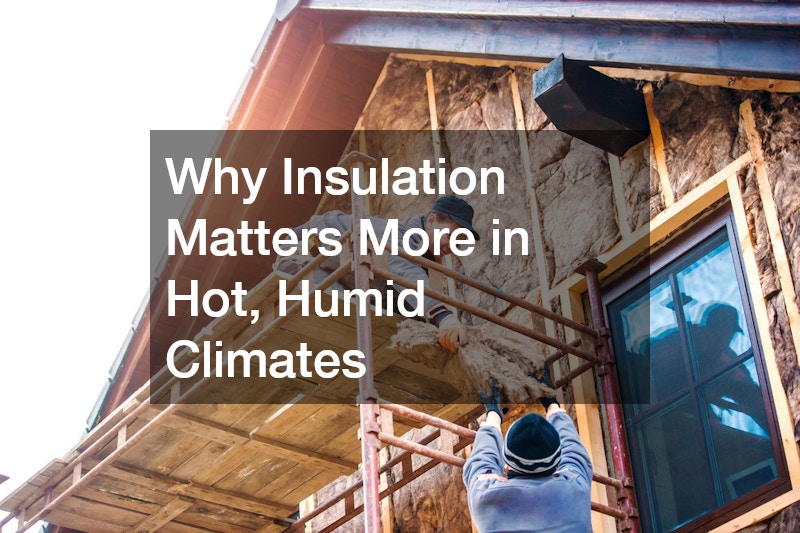
When people think about insulation, they often associate it with keeping homes warm during the winter. However, insulation is just as important — if not more so — in regions that experience long periods of heat and humidity. In these climates, proper insulation helps regulate indoor temperatures, improve energy efficiency, and reduce moisture-related problems that can affect both comfort and the condition of a home. Working with an insulation contractor can help homeowners understand how the right insulation choices contribute to a healthier and more efficient living environment throughout the year.
In hot, humid climates, the goal of insulation shifts from trapping warmth indoors to preventing outdoor heat from entering the home. Without adequate insulation, heat from the roof, walls, and attic can easily transfer into living spaces.
Video Source
As indoor temperatures rise, air conditioning systems must work harder to maintain a comfortable environment. This increased demand often leads to longer cooling cycles and higher energy consumption.
Proper insulation creates a barrier that slows heat transfer, helping homes stay cooler even during the hottest months of the year.
Cooling expenses can account for a significant portion of household utility bills in warmer regions. Homes with insufficient insulation often lose conditioned air while allowing outside heat to infiltrate the structure.
By improving thermal resistance, insulation supports more efficient operation of heating and cooling equipment. Air conditioners do not need to run as frequently or for extended periods to maintain desired temperatures.
Over time, these efficiency improvements can help homeowners better manage monthly energy expenses while reducing unnecessary strain on their HVAC systems.
Humidity presents unique challenges that go beyond temperature control. Excess moisture in a home can contribute to discomfort and create conditions that encourage mold and mildew growth.
Insulation works alongside other building components to help control moisture movement. When properly installed, it can reduce condensation that forms when warm, humid air comes into contact with cooler surfaces inside walls and attics.
Managing moisture effectively helps protect the home's structural components while supporting healthier indoor conditions.
Hot spots and uneven temperatures are common complaints in homes that lack adequate insulation. Upper floors, rooms near the attic, and areas exposed to direct sunlight often become noticeably warmer than other parts of the house.
Quality insulation helps create more consistent temperatures throughout the home. Occupants are less likely to experience dramatic fluctuations between rooms, making the living environment more comfortable.
Improved comfort also means homeowners can enjoy their spaces without constantly adjusting thermostats to compensate for temperature imbalances.
Air conditioning systems are designed to cool indoor spaces efficiently, but poor insulation forces them to work harder than intended.
When heat continuously enters the home, cooling equipment experiences increased wear and tear. Components may cycle more frequently, potentially shortening the system's lifespan and increasing maintenance needs.
Proper insulation reduces the workload placed on HVAC systems, allowing them to operate more effectively while helping preserve their long-term performance.
Heat and humidity can affect more than indoor comfort. Over time, excess moisture and temperature fluctuations may contribute to damage affecting certain building materials.
Condensation inside walls and attics can promote wood deterioration and encourage mold development if left unchecked. Moist environments may also compromise insulation performance when materials become saturated.
Selecting appropriate insulation products and ensuring proper installation can help protect various parts of the home's structure from unnecessary exposure to moisture-related issues.
Humidity can influence indoor air quality by creating an environment where allergens and biological growth become more likely.
When moisture levels are better controlled, homeowners may experience fewer issues related to mold spores and musty odors. Maintaining stable indoor conditions also supports a cleaner and more pleasant atmosphere.
While insulation alone does not solve every air quality concern, it plays an important role as part of a comprehensive approach to managing the indoor environment.
In hot, humid climates, insulation does much more than provide seasonal temperature control. It helps reduce heat transfer, supports moisture management, improves energy efficiency, and contributes to a more comfortable indoor environment.
By understanding the important role insulation plays in warm-weather regions, homeowners can make informed decisions that support year-round performance. Investing in proper insulation today can lead to improved efficiency, healthier living conditions, and greater peace of mind for years to come.