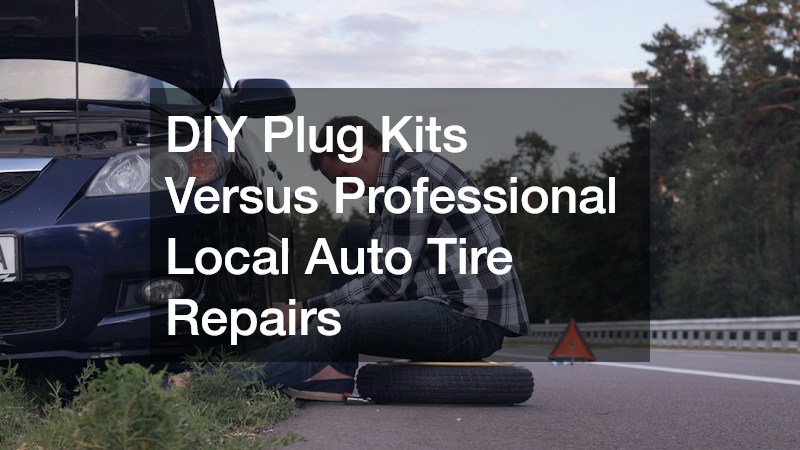
DIY Plug Kits Versus Professional Local Auto Tire Repairs
Tire maintenance is critical to ensuring the safety, fuel efficiency, and handling performance of any vehicle. Over thousands of miles, tires endure nails, screws, and sharp road debris, making timely puncture repairs essential. When a flat occurs, drivers frequently weigh the immediate convenience of a DIY tire plug kit against visiting a local auto repair shop. Understanding the technical differences, safety limitations, and long-term cost implications of both approaches helps vehicle owners make informed decisions that prioritize road safety and tire longevity.
How DIY Tire Plug Kits Work
A standard DIY plug kit includes a T-handle spiral reamer, a split-eye insertion tool, rubberized rope plugs, and vulcanizing cement. Designed primarily for roadside emergencies, these kits allow drivers to seal straight-line punctures in the main tread area without removing the wheel from the vehicle.
Advantages of DIY Kits: Plug kits are inexpensive (typically under $20), compact enough to store in a glove box or trunk, and provide rapid, temporary relief when stranded in remote areas or off-road trails.
Critical Limitations: External rope plugs only seal the outer channel of a puncture; they do not address internal liner damage, separated steel belts, or moisture intrusion. Additionally, DIY kits cannot safely repair sidewall punctures, shoulder damage, or tears larger than a quarter-inch.
Safety Risks: Because the tire remains mounted on the rim during a DIY repair, drivers cannot inspect the inside of the tire for hidden structural damage caused by driving while underinflated. Relying on a roadside plug as a permanent fix risks sudden air loss or high-speed tread separation.
How Professional Local Auto Tire Repairs Work
Professional auto repair shops follow strict industry safety standards—such as those established by the U.S. Tire Manufacturers Association (USTMA)—to execute permanent, structurally sound repairs.
Internal Inspection: Technicians demount the tire completely from the wheel rim to inspect the inner liner for heat rings, sidewall creasing, or secondary punctures invisible from the exterior.
Combination Plug-Patch Installation: Rather than relying solely on an external rope plug, professionals drill out the injury channel, buff the inner liner, apply vulcanizing cement, and install a one-piece mushroom plug-patch from the inside out. This seals both the inner airtight liner and the outer tread channel against water and road salt.
Precision Rebalancing: Once sealed, technicians remount the tire, inflate it to factory specifications, and spin-balance the wheel assembly on computerized equipment to prevent highway vibrations and uneven tread wear.
Cost, Convenience, and Reliability Comparison
Choosing between a quick at-home fix and professional service depends on balancing short-term convenience against long-term vehicle safety:
Upfront vs. Long-Term Cost: While a DIY kit costs less upfront, an improper plug can void manufacturer tire warranties or ruin a salvageable tire, forcing a premature replacement costing hundreds of dollars. Professional repairs typically cost between $20 and $50—and are occasionally complimentary at local shops—preserving the tire's full remaining tread life.
Time and Equipment: DIY repairs take roughly 15 minutes on the roadside but require physical leverage and a portable air compressor to reinflate the tire. Shop visits require scheduling time, yet provide commercial lifts, pneumatic tools, and certified torque specifications.
Liability and Peace of Mind: Licensed technicians verify whether a puncture is safely repairable or requires replacement, backed by workmanship guarantees that protect drivers and passengers during daily commuting.
When to Choose Each Option
Use a DIY Plug Kit: When you experience a clean nail or screw puncture in the center tread area while far from a service station, treat the plug strictly as a temporary bridge to reach a professional repair facility.
Visit a Local Auto Repair Shop: Whenever a tire loses pressure gradually without an obvious object, when a puncture sits near the tire shoulder or sidewall, or immediately after applying a temporary roadside plug to ensure a permanent, safety-certified repair.
Both DIY plug kits and professional local auto tire repairs serve valuable roles in responsible vehicle ownership. Keeping a quality plug kit in your trunk provides vital roadside self-reliance during unexpected emergencies, allowing you to safely reach the nearest service bay. However, because external plugs cannot verify internal structural integrity, scheduling a professional dismount and combination plug-patch repair remains the gold standard for road safety. Combining smart emergency preparation with certified local service protects your tires, preserves your budget, and ensures confident driving on every journey.