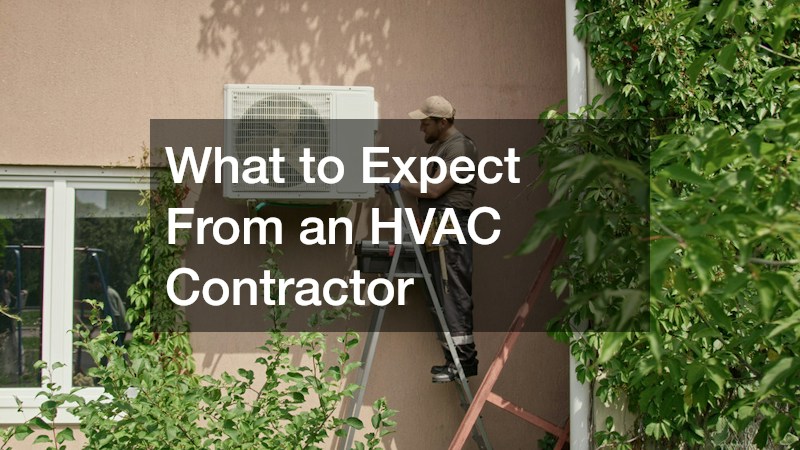
The journey with an HVAC contractor begins with a comprehensive initial assessment and consultation. During this stage, the contractor evaluates your current HVAC system, assessing its efficiency and identifying areas that may require attention. This initial meeting is crucial, not just for the contractor to assess the system but also for you to discuss your specific needs and expectations.
Video Source
It’s an opportunity for both parties to align their goals and ensure that the contractor understands the unique aspects of your home or business environment. Additionally, the consultation allows you to gauge the contractor's professionalism, expertise, and capability to handle the project effectively.
Expect the HVAC contractor to ask detailed questions about your system's history and any recurring issues you may have noticed. They will likely inspect both the interior and exterior components of your HVAC setup, checking for signs of wear, inefficiency, or damage. This thorough inspection is not just about identifying problems; it is also a preventive measure that helps nip future issues in the bud. The contractor may also take this opportunity to offer preliminary advice on how to enhance the system’s efficiency or performance.
Transparency during the initial consultation is critical, as it lays the foundation for future interactions and trust. You should feel free to ask questions about the contractor’s experience, their qualifications, and any other aspects relevant to your decision-making process. The contractor, in turn, should be clear about the services they offer, potential solutions, and any initial estimates regarding costs and timelines. This mutual exchange sets the groundwork for a successful working relationship. An HVAC contractor who prioritizes open communication and understanding during this initial phase is likely to provide a higher quality of service overall.
Once the initial consultation is completed, a more in-depth system evaluation typically follows. This phase involves a detailed inspection of your HVAC system to pinpoint exact issues and inefficiencies. The HVAC contractor might utilize specialized tools and techniques to conduct this thorough analysis, ensuring that no aspect of the system is overlooked. The data gathered during this evaluation will inform the contractor’s proposal, influencing decisions on whether to repair, maintain, or replace certain components. This step is crucial in ensuring that you receive the most cost-effective and efficient solution tailored to your specific situation.
Following the system evaluation, expect to receive a comprehensive proposal from the HVAC contractor. This proposal should outline the specific issues identified, suggested remedies, and a breakdown of associated costs. It’s more than just a quote; it’s a strategic plan designed to maximize the efficiency and lifespan of your HVAC system. The proposal should also include timelines for the proposed work, detailing when each phase of the project will be completed. A well-crafted proposal is a testament to the contractor's professionalism and their commitment to addressing your HVAC needs comprehensively.
It is important to review the contractor’s proposal carefully, ensuring that all areas of concern are addressed and that the proposed solutions align with your expectations. Don’t hesitate to seek clarification on any aspects of the proposal that are unclear or that you need further information about. This is the time to discuss any alternative options, potential upgrades, or different approaches that might suit your situation better. Good contractors welcome this level of engagement, as it reflects a collaborative approach to problem-solving. A clear, detailed proposal reflects the contractor's ability to deliver clear value for your investment.
With the proposal accepted, the next phase involves the actual implementation of the HVAC solutions discussed. This stage requires the HVAC contractor to meticulously plan and execute the agreed-upon tasks, ensuring all components are installed or repaired as specified. During this process, attention to detail and adherence to industry standards are crucial to guarantee the safety, efficiency, and longevity of the system. The contractor's expertise will be evident in how seamlessly they execute the project, minimizing disruptions while maximizing benefits. As a homeowner or business, it’s essential to ensure that the work is proceeding as planned and addresses your concerns.
Effective communication remains vital during the implementation phase. Regular updates from the HVAC contractor can provide peace of mind, ensuring that the project stays on schedule and within budget. You should expect transparency regarding any unforeseen challenges that may arise, along with the contractor’s plan to resolve them. High-quality contractors often go beyond mere installation, offering insights into system maintenance and user best practices to optimize performance. This level of service adds tremendous value, as it empowers you with the knowledge to better manage your HVAC system in the future.
Upon completion, a quality-focused HVAC contractor will conduct a final walkthrough and thorough testing of the system to confirm that everything functions as intended. This is your chance to address any final questions or concerns you may have about the new or repaired system. The contractor should provide documentation covering the work completed, warranty information, and guidance on routine maintenance tasks. Wrapping up with a clear understanding of what has been done ensures long-term satisfaction and reliability of your HVAC system.