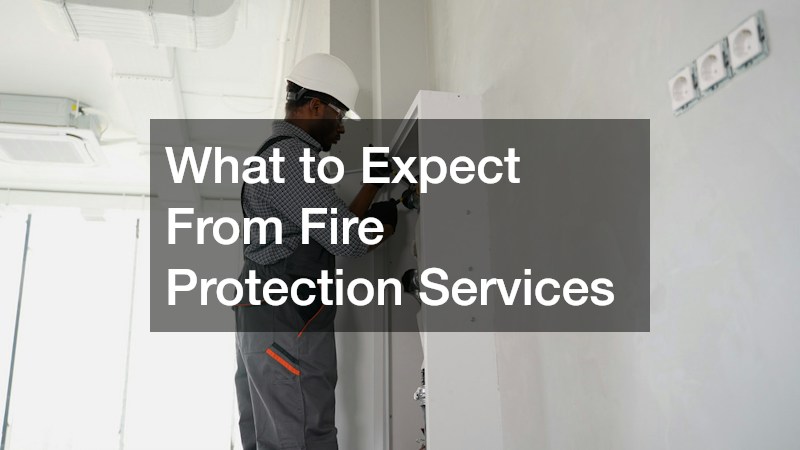
A service visit can raise practical questions for anyone who manages a commercial building. Will alarms sound while the business is open? Which rooms does the technician need to enter? Who follows up if something fails a test? Fire protection services can include installation, inspection, testing, maintenance, and repairs. What happens on a given visit depends on the equipment installed, the work you scheduled, and any changes to how the building is used.
Video Source
Before you book fire protection services, ask the provider to identify the systems and locations included in the visit. A company may handle the building's alarm and sprinkler systems, while service for portable extinguishers or a commercial kitchen suppression system may be scheduled separately. If you manage a property with multiple tenants, confirm whether the scope includes equipment inside each suite as well as devices in shared areas.
Bring up renovations, changes in tenants, and new uses for existing rooms when you discuss the scope. Turning a former office into a storage area, for instance, may warrant a separate review of whether the existing sprinkler system suits the new use. If an installation or alteration is planned, ask who will coordinate any required plan review, permits, and acceptance testing with the local fire authority. For new equipment, ask what records you'll receive once the work is complete, such as final drawings and the results of the acceptance test.
When you schedule fire protection services, ask where the technician will need access and whether testing could interrupt normal operations. A building may have alarm devices in tenant suites and sprinkler equipment behind locked doors. Arrange for a staff member with the right keys or credentials to be available. If a room can only be accessed at certain times, flag that before the visit so it can be included in the schedule.
Some tests may sound horns or activate strobes. Ask the provider which alerts occupants might hear or see so you can give staff, tenants, or visitors advance notice. If a system will be temporarily taken out of service, ask who will make the required notifications and who will verify that the system is back in service.
An inspection looks at the condition of equipment. A sprinkler technician, for example, may check the position of control valves and look for visible damage. A functional test checks how equipment responds. On an alarm system, a technician may test a smoke detector or pull station and verify that the panel registers the signal. A sprinkler visit may include checking whether the system signals that water is flowing.
Which checks are due depends on the equipment and its service schedule. Ask the technician to explain what they checked and to identify any equipment they could not access. If a locked suite prevented part of the work, get that location on the follow-up schedule so the affected devices can be checked.
After the visit, ask for a written report that shows what was inspected or tested and identifies any deficiencies. If a device failed, ask where it is, what function is affected, and what needs to happen next. Some fire protection services include repairs, while other agreements cover inspection and testing only. Clarify who will perform any corrective work and whether a return visit is needed to verify the repair.
Keep the report with the building's maintenance records. If the local fire authority requires electronic filing or another form of submission, confirm who will send the report and keep a copy for your records. Note any open items so the next person managing the building can see which work was completed and which items still need attention.
A service visit is easier to manage when the provider and the building contact agree on what's being checked, which spaces need to be opened, and how findings will be handled. Before wrapping up, confirm when your next fire protection service is due and schedule any outstanding work. That gives you time to coordinate with tenants, arrange access, and follow up on repairs before the next round of testing.