Creating a comfortable and functional outdoor living area begins with selecting the right construction materials. Homeowners have numerous options when designing patios, each offering different advantages in durability, appearance, maintenance, and cost. The materials chosen for an outdoor surface can influence its longevity, resistance to weather conditions, and overall functionality.
Video Source
Understanding these differences helps property owners make informed decisions that support their outdoor living goals.
Climate, soil conditions, drainage, and anticipated foot traffic are important considerations when evaluating construction materials. Some surfaces provide a traditional appearance, while others offer contemporary designs with minimal maintenance requirements. Additionally, installation methods and long-term upkeep can affect the overall investment. Exploring popular outdoor construction materials allows homeowners to identify practical solutions that complement their property’s architecture and landscape.
Concrete remains a widely used material for outdoor construction because of its strength, versatility, and relatively affordable installation costs. When properly installed and maintained, concrete surfaces can withstand regular foot traffic, outdoor furniture, and changing weather conditions. Its adaptability makes it suitable for various property styles, from traditional residential landscapes to contemporary outdoor entertainment areas.
One significant advantage of concrete is the variety of available finishes. Homeowners can choose smooth surfaces, brushed textures, exposed aggregate, or decorative stamped designs. Stamped concrete can resemble natural stone, brick, or other materials while maintaining the structural characteristics of a poured concrete surface. Color treatments also provide opportunities to coordinate outdoor spaces with surrounding landscaping and architectural features.
Proper installation plays an essential role in concrete durability. Contractors must prepare a stable foundation, establish appropriate drainage, and incorporate control joints to manage cracking caused by shrinkage and temperature changes. Without adequate preparation, concrete may develop uneven sections, surface deterioration, or drainage problems over time.
Although concrete generally requires limited routine maintenance, periodic cleaning and appropriate sealing can help protect decorative finishes. Cracks should be evaluated and repaired when necessary to prevent additional deterioration. In regions experiencing freezing temperatures, moisture penetration and repeated freeze-thaw cycles can contribute to surface damage.
Natural stone is another popular option for homeowners seeking durable outdoor surfaces with distinctive visual characteristics. Materials such as flagstone, slate, granite, limestone, and travertine provide different textures, colors, and performance properties. Because natural stone forms through geological processes, individual pieces often feature unique patterns that contribute to a varied appearance.
Flagstone is frequently selected for its irregular shapes and natural texture. It can create informal pathways and gathering spaces that blend with surrounding gardens. Granite offers considerable hardness and resistance to abrasion, making it suitable for areas experiencing frequent use. Travertine and limestone provide lighter tones that can complement a variety of architectural designs.
Stone selection should account for local environmental conditions. Certain materials are more porous than others and may absorb moisture, making them vulnerable to staining or deterioration. Some varieties of limestone and travertine require additional consideration in climates with frequent freezing temperatures. Surface texture also matters because polished stone may become slippery when wet.
Installation methods vary depending on the selected material and project requirements. Stone can be installed over a compacted aggregate base or secured using mortar over an appropriate concrete foundation. Proper grading and drainage help prevent water accumulation and movement beneath individual pieces.
Brick and concrete pavers are commonly used to create patios because they combine durability with considerable design flexibility. These individual units can be arranged in numerous patterns, including herringbone, running bond, basketweave, and geometric layouts. Their modular construction also makes them suitable for outdoor areas with curved edges or irregular dimensions.
Traditional clay bricks offer recognizable colors and textures that complement established residential architecture. Their appearance can vary depending on the clay composition and manufacturing process. Concrete pavers, meanwhile, are available in numerous shapes, sizes, colors, and surface finishes, allowing homeowners to create customized outdoor layouts.
One important advantage of modular paving systems is their repairability. If individual units become damaged or stained, they can often be removed and replaced without disturbing the surrounding surface. This characteristic can simplify maintenance compared with continuous materials that require more extensive repairs.
Foundation preparation remains critical to long-term performance. A properly compacted aggregate base helps distribute weight and reduce settlement. Bedding materials, edge restraints, and joint sand also contribute to structural stability. Poor installation may result in shifting units, uneven surfaces, or unwanted vegetation growing between joints.
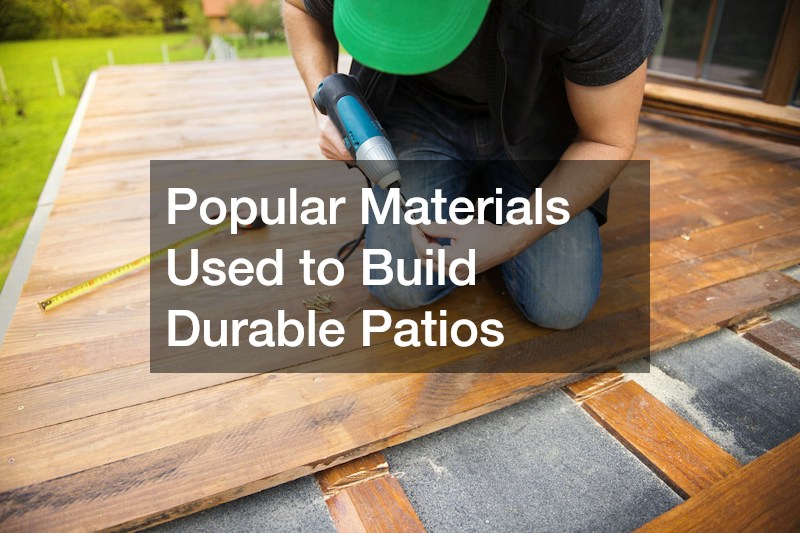
Wood and composite decking provide alternatives to traditional masonry materials, particularly for properties with uneven terrain or elevated outdoor living areas. Although these materials are frequently associated with decks, they can also be incorporated into ground-level outdoor designs when supported by suitable structural systems.
Pressure-treated lumber is commonly selected because chemical treatments improve its resistance to decay and insect damage. Other wood options include cedar, redwood, and certain tropical hardwoods. Each species offers different characteristics related to appearance, density, weather resistance, and maintenance requirements.
Wood surfaces can create a warm appearance that complements gardens and natural landscaping. However, exposure to sunlight, precipitation, and temperature fluctuations may cause fading, warping, or surface deterioration. Regular cleaning, inspections, and protective treatments can help extend their service life.
Composite decking combines wood fibers or other fillers with plastic materials to create manufactured boards. Many products are designed to resist moisture-related deterioration and reduce the need for painting or staining. Nevertheless, composite materials vary in quality, temperature sensitivity, and resistance to scratching or fading.
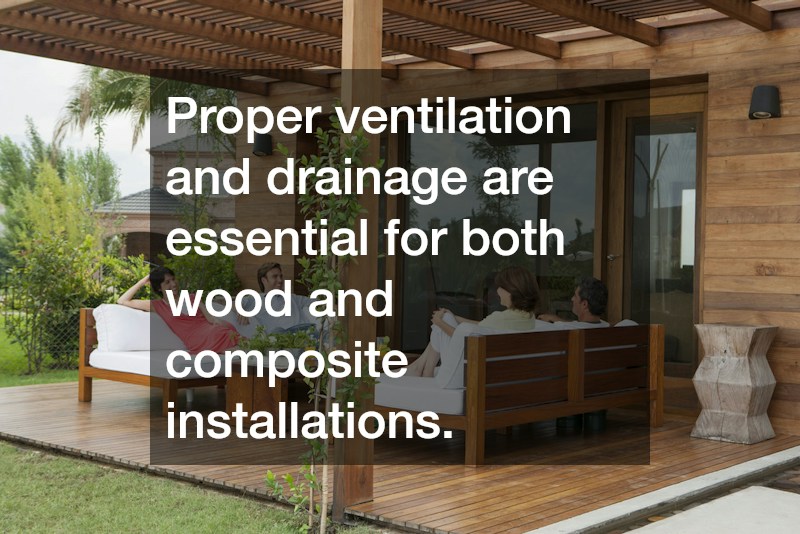
Proper ventilation and drainage are essential for both wood and composite installations. Moisture trapped beneath decking can contribute to structural problems, particularly when supporting components remain damp for extended periods. Following manufacturer installation guidelines helps address expansion, spacing, and fastening requirements.
Cost comparisons should consider both initial installation expenses and expected maintenance. While composite decking may involve higher upfront material costs, reduced finishing requirements can influence long-term ownership expenses. The most appropriate choice depends on the desired appearance, environmental exposure, and available budget.
Homeowners planning new patios should evaluate local climate conditions, drainage requirements, anticipated use, and long-term maintenance responsibilities before making a final decision. Consulting qualified installation professionals can also help identify suitable materials and construction methods. With careful planning and appropriate upkeep, a well-designed outdoor surface can provide a functional and attractive setting for everyday activities and gatherings.