
Commercial HVAC installation is a critical consideration for businesses wishing to ensure the com">

Yellowbook.com

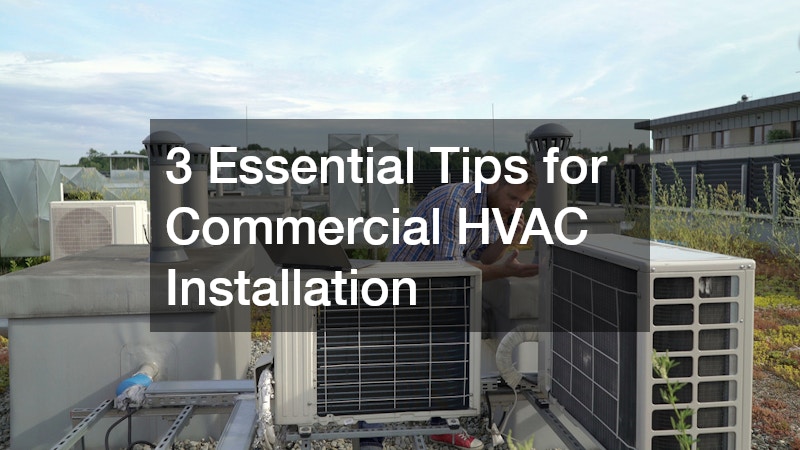
3 Essential Tips for Commercial HVAC Installation

Commercial HVAC installation is a critical consideration for businesses wishing to ensure the comfort and productivity of their workspaces. This article will delve into three essential tips for successful HVAC system installation in commercial settings, focusing on selecting the right system, understanding proper installation techniques, and maintaining the system post-installation.

1. Choosing the Right HVAC System for Your Commercial Space

Assessing Building Needs

The selection process for an HVAC system begins with assessing the unique requirements of your commercial building. This assessment includes evaluating factors such as building size, architectural layout, and intended use of the space.


Video Source

Understanding these specific needs can guide you in selecting an HVAC system that delivers optimal performance. It ensures that the system can adequately handle the heating and cooling demands of the building without overexerting its capabilities.

Particularly for larger commercial properties, incorporating zoning is crucial to accommodate varying temperature needs across different areas. This involves dividing the space into zones that can be regulated independently to maximize comfort and energy efficiency.

Considering Energy Efficiency

Energy efficiency is a vital factor when choosing a commercial HVAC system, as it can significantly reduce operating costs. Systems with high energy efficiency ratings not only save money but also lessen the environmental impact of your business.

Look for systems that have ENERGY STAR qualifications, as these meet strict energy efficiency guidelines set by the U.S. Environmental Protection Agency. Such systems are designed to use less energy for the same level of performance as less efficient counterparts.

In addition to choosing the right system, considerations such as improved insulation and regular maintenance can enhance energy efficiency. Implementing smart technologies like programmable thermostats can further optimize energy use.

2. Understanding Proper Installation Techniques

Importance of Professional Installation

Opting for professional installation of your HVAC system is crucial to ensure both performance efficiency and system longevity. Trained professionals possess the expertise to navigate the complexities of installation tailored to your building’s specifications.

A professional installer can help avoid potential pitfalls that could arise during a DIY installation. Their experience enables them to identify and resolve issues before they escalate and lead to system malfunctions.

Furthermore, many manufacturers' warranties require that the installation is performed by certified technicians. Failing to meet this requirement can result in voided warranties, leaving you responsible for future repair costs.

Avoiding Common Installation Mistakes

Common installation mistakes such as improper sizing and ductwork design misalignments can lead to inefficiencies and increased costs. By leveraging professional expertise, these issues can be effectively prevented from the outset.

Installation errors can cause significant discomfort and disrupt business operations, potentially requiring costly corrections. A meticulous approach by professionals reduces the likelihood of encountering these challenges.

Ensuring that all components are correctly positioned and sealed plays a crucial role in the system's overall effectiveness. This attention to detail helps maintain a controlled indoor environment, fostering a comfortable workspace year-round.

3. Maintaining Your HVAC System Post-Installation

Routine Maintenance Checks

Post-installation, regular maintenance checks are essential for the continued efficiency of your HVAC system. Scheduled inspections can identify potential issues before they evolve into significant problems.

Routine maintenance tasks include replacing or cleaning air filters, checking thermostat settings, and inspecting refrigerant levels. These steps help optimize system function and can extend the operational lifespan of the equipment.

Engaging the services of a professional maintenance provider ensures that the system receives thorough and consistent care. This proactive approach is pivotal in minimizing unexpected breakdowns and associated repair costs.

Signs Your System Needs Repairs

Recognizing when your HVAC system requires repairs can prevent more serious issues from developing. Warning signs include unusual noises, inconsistent temperature regulation, and increased energy bills.

Promptly addressing malfunction indicators can mitigate the need for extensive repairs and potential system downtime. Ignoring these signs can exacerbate existing problems, resulting in more costly interventions.

Hiring a professional technician to diagnose and remedy issues ensures an accurate and effective resolution. This approach safeguards the performance and integrity of your HVAC system, securing a comfortable environment for your commercial space.

Successfully installing a commercial HVAC system involves careful consideration of system choice, installation techniques, and ongoing maintenance. By following these essential tips, you can ensure a high-performance HVAC system that enhances your commercial space's comfort and energy efficiency.
.

3 Essential Tips for Commercial HVAC Installation