Embarking on an excavating project can feel like a daunting task. Whether you are preparing for a major construction project, landscaping a garden, or installing a new swimming pool, understanding how to effectively prepare for the excavation process is crucial. Thorough preparation helps ensure the project goes smoothly, remains on budget, and is completed on time.
Video Source
In this guide, we will explore key strategies and considerations to help you prepare efficiently. Proper planning and organization are your best allies in executing a successful excavation project.
Before breaking ground, a comprehensive understanding of the scope of your excavation is essential. This involves conducting a detailed assessment of the area to be excavated and the project's overall size. Knowing the exact dimensions and depth required can help prevent unexpected issues that might otherwise disrupt the timeline. One useful tip is to consult with an engineer or surveyor to ensure accuracy, as they'll have the professional expertise to provide valuable insights. Careful planning at this stage can save time and resources later in the project.
Furthermore, it's important to consider the environmental implications of your excavation project. Assess any potential impacts on local flora and fauna, as well as the soil structure and drainage patterns. Ensuring your project complies with environmental regulations is crucial, not only to avoid legal issues but to promote sustainable practices. Permits may be required, so it’s vital to reach out to local government agencies for guidance early in the planning process.
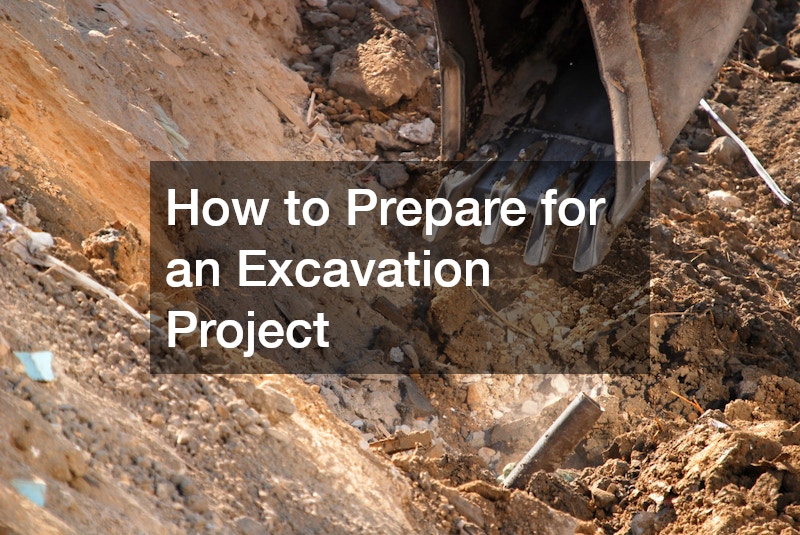
Lastly, determining the required equipment for your project is a key factor in preparing for excavation. The type of machinery and tools necessary will differ depending on the scope and specifics of the project. For large-scale excavations, equipment such as backhoes, bulldozers, and excavators might be needed. Conversely, smaller projects might require merely shovels and wheelbarrows. Understanding these needs beforehand will facilitate smoother operation once excavation commences.
Once the scope is clearly defined, site preparation is the next crucial step in the excavation project. Properly marking out the area you will be working on ensures clarity and helps protect against encroaching on surrounding land. Clearing the designated area of any debris, shrubs, or infrastructure should follow, so the ground is accessible and manageable. It is also recommended to consult with utility companies to locate any underground pipes or cables to avoid potential hazards during excavation.
Safety is paramount in any excavation project, necessitating rigorous measures to protect workers and the public. Implementing barrier systems, warning signs, and ensuring only authorized personnel have access to the site can help prevent accidents. Personal protective equipment (PPE), including hard hats, steel-toed boots, and high-visibility vests, should be mandatory for all workers on site. Regular safety briefings and adherence to occupational health and safety guidelines can further mitigate risks associated with excavation activities.
Compliance with building codes and governmental regulations is critical, as failing to do so can result in legal troubles and project delays. It's essential to keep all necessary documentation organized and readily available. Building inspectors may need to visit the site periodically to ensure compliance, so establishing a good working relationship with them can streamline this process. Preemptively addressing these aspects ensures that the excavation proceeds without interruptions.
Effective project management is indispensable in overseeing an excavation endeavor. An organized timeline should account for all phases of the project, including pre-excavation preparations, the actual digging, and post-excavation clean-up. Break down the project into manageable phases with realistic deadlines to track progress efficiently. Understanding the lead times for equipment rental or purchase and material acquisition will assist in adhering to the timeline. Delays can be costly, so foresight in timeline management can curtail expenses.
Cost management is another critical component when preparing for excavation. Establishing a detailed budget and closely monitoring expenses helps ensure financial efficiency and avoids overspending. Unforeseen costs can arise, so having a contingency fund is prudent. Regular financial reviews and reports keep stakeholders informed and facilitate trust, encouraging cooperation throughout the project's duration. Financial discipline should guide all purchasing and contractual negotiations.
Preparing adequately for an excavation project lays a firm foundation for success. By understanding the scope, ensuring site safety, and managing timelines and costs effectively, project execution is streamlined and more efficient. As no two excavation projects are identical, tailor these guidelines to suit the specific nature and requirements of your undertaking. The preparation phase may seem exhaustive, but it is crucial for minimizing risks and improving outcomes upon project culmination. Armed with this knowledge, you can approach your excavation project with confidence and the assurance of a positive result.
.