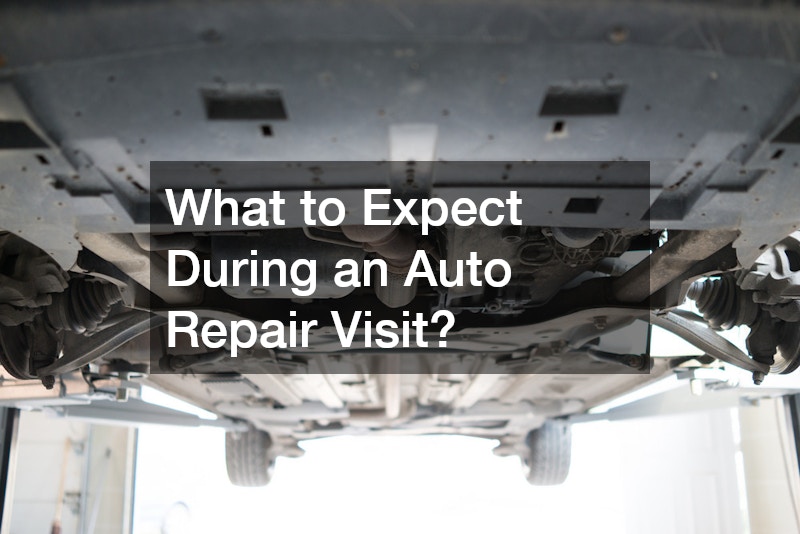
Visiting an auto repair shop can sometimes be daunting, especially if you're not familiar with the process. Understanding what to expect during such a visit can alleviate anxiety and enhance your experience. In this article, we will guide you through the key aspects of an auto repair visit, ensuring you feel confident and prepared.
Video Source
When you first arrive at an auto repair shop, the process typically begins with an initial assessment of your vehicle. This involves a professional mechanic examining your car to identify any apparent issues. They may start with a visual inspection and ask you questions about any problems you've been experiencing. This is also the time to provide any maintenance history that might be relevant to the current condition of your vehicle. By communicating effectively during this initial stage, you set the stage for a successful repair process.
During this initial assessment, clarity and detail are vital. The mechanic will listen to your concerns and attempt to diagnose the problem based on your input and the vehicle's condition. It's beneficial to describe the symptoms as precisely as possible, including any sounds, smells, or performance issues. This preliminary evaluation helps narrow down potential problems before any diagnostic tests are performed. Remember, the more information you provide, the more accurate the diagnosis may be.
Once the preliminary assessment is completed, the mechanic will likely proceed with diagnostic tests. These tests are crucial for identifying the exact nature of the vehicle's problems. Depending on the symptoms and preliminary findings, this could involve using computerized diagnostic equipment. Such tools can read error codes from the vehicle's onboard computer systems, giving precise insights into engine performance and other critical components. These advanced diagnostics are integral to modern auto repair, allowing mechanics to locate issues that wouldn't be visible during a simple visual inspection.
Diagnostic tests are also essential for time efficiency and accuracy in the repair process. With the right tools, mechanics can diagnose problems more swiftly, which ultimately saves time and reduces labor costs. By pinpointing the exact cause of the issue, they can move directly to repairs rather than spending time troubleshooting different possibilities. This targeted approach can significantly enhance the quality of vehicle maintenance, ensure reliability, and foster customer satisfaction. The use of such sophisticated diagnostics underscores the importance of choosing a well-equipped auto repair shop.
Following diagnostics and approval of the costs, the next step is the actual repair or replacement of damaged parts. Depending on the complexity of the issue, repairs might include minor fixes or significant part replacements. It's important that quality parts are used, whether OEM or aftermarket, to ensure the longevity and performance of your vehicle post-repair. The mechanics will meticulously follow the protocol for each type of issue, whether it involves repairing faulty brakes, replacing worn-out tires, or addressing engine troubles.
During the repair phase, you should feel free to ask about the timeline for completion. Different repairs have varying time requirements, and understanding this can help you plan accordingly. For those who are waiting at the shop, amenities such as waiting areas with Wi-Fi or refreshments can make the duration more pleasant. Knowing what's happening with your vehicle at each stage ensures you are kept informed, which is an integral part of satisfactory customer service in the auto repair process. Clear communication about parts replacement and repair progress contributes to a transparent and trustworthy auto repair experience.
As the auto repair visit concludes, the final steps include wrapping up the paperwork and making the payment. The repair shop will provide an itemized invoice that details the services rendered, parts used, and the total cost. It's important to review this document carefully to ensure all listed services correlate with the discussions held prior to the repairs. If discrepancies arise, address them immediately with the service representative. Having a clear, itemized bill helps you understand exactly what you are paying for, which is crucial for budgeting and financial transparency.
After payment, it's recommended to keep all paperwork for future reference. This documentation can be valuable if you experience further issues with the vehicle or need to review past service history. A comprehensive file with maintenance records ensures continuity in care and can potentially increase resale value. Your auto repair visit doesn't just end with driving away from the shop; it sets a benchmark for future maintenance. Being informed and engaged throughout the process empowers you with knowledge about how to preserve the health and performance of your vehicle.
.