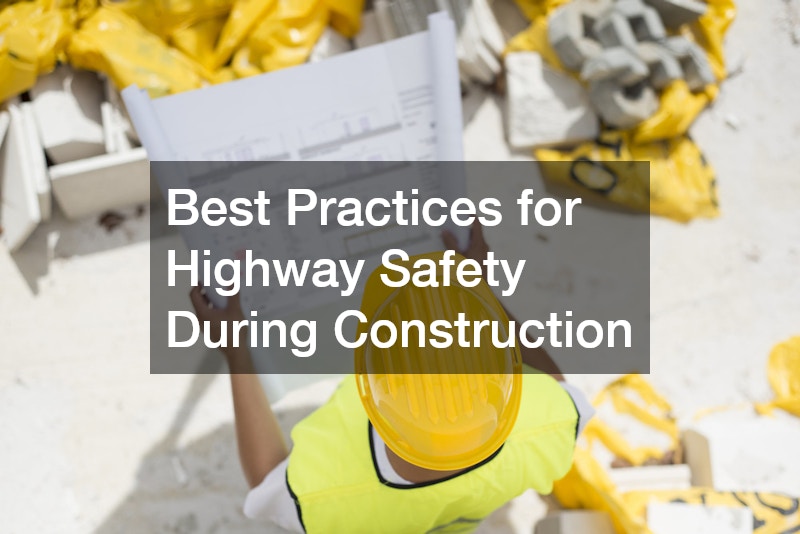
Highway safety construction is paramount for ensuring the safety of both workers and drivers around construction zones. Inappropriate safety measures can lead to accidents, significant traffic disruptions, and even fatalities. This article elaborates on the best practices to maintain high standards of safety on highways during construction activities.
Video Source
Highway construction zones are high-risk areas necessitating robust safety protocols. With thousands of vehicles passing through daily, even minor mishaps can escalate into severe incidents. Implementing strategic measures ensures the continuity of traffic flow and prevents accidents, protecting lives and infrastructure. Highway safety construction, therefore, is not only about observing safety measures but also about anticipating potential hazards. Building a safety-conscious culture among teams and the public is key to reducing risks associated with highway construction work.
The significance of highway safety construction cannot be overstated, given the alarming statistics related to roadwork accidents. Annually, numerous accidents occur in construction zones, a substantial number resulting in fatalities. This is predominantly due to the lack of proper safety measures and public awareness. Ergonomic traffic management systems, adequate signage, and the implementation of cutting-edge technologies can play instrumental roles in minimizing such roadwork-related accidents. A well-organized and clear safety plan is essential for safeguarding both the workforce and the public.
Beyond preventing accidents, highway safety construction contributes substantially to project efficiency and environmental preservation. Efficient safety practices minimize potential delays, thereby promoting timely project completion, which is economically beneficial. Additionally, reduced accident risks lead to decreased insurance premiums for both the construction company and the client. Furthermore, fostering a safety-centric work environment enhances worker morale and productivity. Collectively, these benefits illustrate that investing in highway safety construction is not just a regulatory obligation but a strategic asset for any construction project.
Implementing essential safety measures is critical to managing construction zones on highways. It begins with an exhaustive assessment to identify potential hazards unique to each project site. Once these risks are analyzed, tailored safety plans should be developed, involving all stakeholders, including construction crews, traffic managers, and law enforcement. Standard safety protocols such as wearing appropriate personal protective equipment (PPE), ensuring proper training of personnel, and conducting regular safety audits are fundamental. Such initiatives not only enhance safety but foster a culture of vigilance among workers.
Advanced warning signs and signal systems form the frontline defense in alerting drivers to upcoming changes in traffic patterns. Smart technologies such as automated flagging assistance devices and dynamic message signs can adapt to real-time conditions, enhancing driver awareness and response times. Additionally, the delineation of work zones with barricades, cones, and barriers further ensures that vehicles are guided safely through or around construction areas. Integrating these contemporary systems requires coordinated efforts and ample training of the workforce to utilize them effectively. Employing these measures significantly reduces the odds of vehicle collisions and pedestrian mishaps.
Moreover, nighttime construction demands additional safety measures due to reduced visibility and driver concentration. Adequate lighting systems are imperative to maintaining visibility for both workers and drivers, often using high-intensity discharge lights or LED lights for optimal efficiency. Reflective materials on barriers, equipment, and PPE enhance visibility, making workers and zones more recognizable from a distance. Consistent monitoring of traffic flow during these hours and rapid adjustments to traffic management plans ensure continued safety. These collective practices ensure the ethical responsibility of protecting field workers and the public is upheld.
Community awareness and involvement are crucial components of highway safety construction. Educating the public about expected changes and potential safety hazards significantly reduces the risks associated with construction zones. Regular updates via multiple platforms such as social media, local news, and highway information boards keep the public informed about project timelines and traffic changes. Community feedback sessions can identify public concerns and offer solutions for minimizing inconvenience. This proactive communication strategy builds public support and cooperation, essential for successful project execution.
Additionally, community involvement fosters a sense of shared responsibility for safety. Volunteer programs for monitoring traffic or spreading safety information contribute positively to project safety efforts. Involving local businesses in sponsoring safety initiatives or providing resources can greatly enhance the provision of needed materials or manpower. Such collaborative practices not only improve safety but also strengthen community ties as all stakeholder interests are aligned toward a common goal. These strategies highlight that achieving maximum safety during highway construction is a community-centered endeavor.