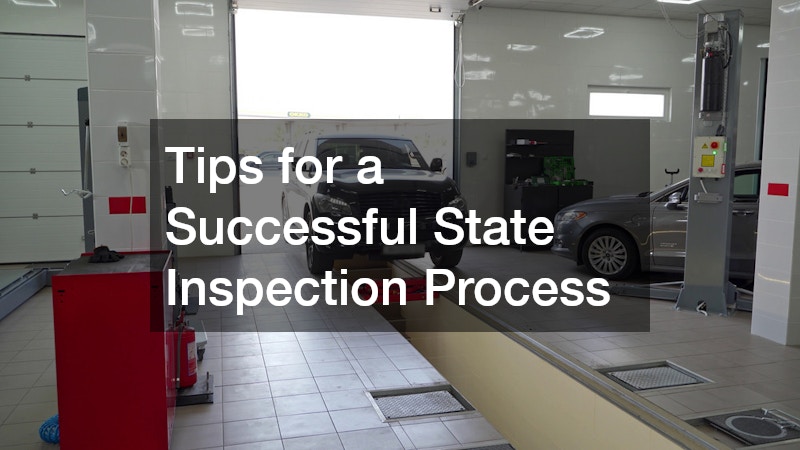
Preparing for a state inspection can be a daunting process, but with the right tools and strategies, it can be a smooth and successful experience. This article will provide you with valuable tips to help ensure your state inspection process is efficient and stress-free. Whether you are preparing for a routine inspection or addressing specific compliance issues, being well-prepared is crucial to success.
Video Source
The cornerstone of a successful state inspection is thorough and accurate documentation. Inspectors rely heavily on documentation to verify compliance with relevant state regulations. Therefore, maintaining detailed records of all processes, safety protocols, and operational procedures is essential. Ensure that all documents are up-to-date, easily accessible, and organized logically, as this will facilitate a smooth inspection process. By demonstrating that you have robust documentation practices, you show inspectors that your organization is committed to transparency and compliance.
Documentation serves not only the purpose of inspection; it is also a vital tool for internal audits and continuous improvement. Regularly updating your documentation helps identify gaps in compliance and areas that require attention. It is beneficial to conduct periodic reviews, where team members can assess and verify that all records are accurate and complete. Accurate documentation will not only aid you during a state inspection but also enhance the overall efficiency and quality of your operations. Remember, proper documentation acts as a safeguard for your organization, ensuring you are always prepared for any inspection or audit.
Regular internal audits are a proactive approach to ensuring readiness for a state inspection. These audits provide a comprehensive assessment of your organization’s compliance with state regulations and highlight areas needing improvement. By conducting these audits internally, you can identify and rectify potential issues before an official inspection takes place. Internal audits serve as a preventive measure, minimizing the risk of non-compliance and potential penalties. Establish a consistent schedule for these audits and involve different departments to gain diverse insights into compliance status.
During internal audits, use a checklist that mirrors the state inspection criteria to ensure nothing is overlooked. This will help you to evaluate the effectiveness of your safety protocols, operational processes, and record-keeping practices. Encourage open communication among team members during audits to foster a culture of transparency and continuous improvement. Further, using the findings from these audits, develop corrective action plans that specify steps to address any identified gaps. Implementing such structured audits cultivates a culture of readiness and accountability within your organization, ultimately reducing stress during the actual state inspection.
Continuous training and education are pivotal in cultivating a workforce that is well-prepared for state inspections. Regular training sessions ensure that all staff members are knowledgeable about the latest regulatory requirements and industry best practices. This is crucial since regulations can evolve, and staying informed mitigates the risk of non-compliance. Encourage staff to participate in workshops, seminars, and online courses relevant to their roles and the inspection process. Comprehensive training programs not only enhance readiness for state inspections but also improve overall operational efficiency.
Training should encompass a broad range of topics, including safety protocols, emergency procedures, and documentation standards. Engage external experts to provide specialized training sessions, bringing in fresh perspectives and in-depth knowledge. Schedule regular refreshers and updates to reinforce the learning and adapt to any changes in state regulations. Opportunities for role-playing and simulation exercises can further reinforce the training, allowing employees to better grasp inspection expectations. By investing in your team's education, you establish a foundation of confidence and competence that positively impacts the state inspection process.
Effective communication is crucial to ensuring a smooth state inspection process. Promoting an environment where open dialogue is encouraged helps prevent misunderstandings and clarifies expectations. Establishing clear lines of communication between management and staff fosters transparency and trust, which are vital during inspections. Encourage staff to ask questions, voice concerns, and share insights regarding compliance and inspection readiness. Regular meetings and updates keep everyone informed and aligned, reducing anxiety related to state inspections.
Successfully navigating a state inspection process requires a strategic approach centered around thorough preparation, regular audits, continuous training, and clear communication. By focusing on these key areas, your organization can ensure compliance with state regulations and reduce the stress associated with inspections. Implementing robust documentation practices, conducting proactive internal audits, and engaging in ongoing training are fundamental to maintaining readiness. Moreover, fostering an environment that values open communication can further enhance your organization's ability to successfully pass state inspections. By embracing these strategies, you demonstrate a commitment to excellence and ensure a reputation for reliability and compliance.