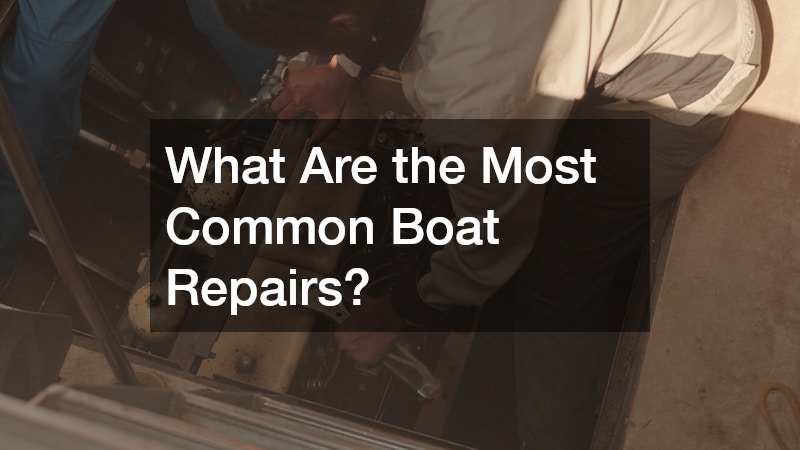
For boat owners, maintenance and repairs are essential aspects of ensuring their vessel remains seaworthy and safe. Whether it's a modest fishing boat or a luxurious yacht, every ">
For boat owners, maintenance and repairs are essential aspects of ensuring their vessel remains seaworthy and safe. Whether it's a modest fishing boat or a luxurious yacht, every boat will eventually require some repair work. In this article, we explore the most common boat repairs, providing insights into what boat owners may encounter and how to best address these issues.
The hull is the backbone of any boat, providing structural integrity and buoyancy. Over time, even the most carefully handled vessels may suffer from hull damage due to collisions, debris, or prolonged exposure to harsh environmental conditions.
Video Source
Some common issues include cracks, chips, and blistering, all of which warrant immediate attention. Prompt hull repairs are essential to prevent water ingress, which can lead to more substantial and costly damage. Regular inspections and repairs of the hull can significantly extend the life of a vessel.
Hull repair typically involves cleaning and sanding the damaged area, followed by applying a suitable patch or filler. For minor damage, such as small cracks or superficial blemishes, owners might perform the repairs themselves. However, major repairs, especially those involving the boat’s structure, should be handled by professionals. Not only does this ensure the use of appropriate materials and techniques, it also guarantees that the work complies with safety standards. Moreover, professional repairs may also enhance the boat's resale value by keeping its condition optimal.
It's important to use materials that are compatible with the boat's original construction, whether it's fiberglass, aluminum, or wood. Using improper materials can lead to further damage and may compromise the vessel's structural integrity. For instance, repairing fiberglass hulls requires specific resins and cloth, while wooden hulls might need special attention to prevent rot and maintain watertight integrity. When considering hull repairs, always consult the manufacturer’s guidelines or seek advice from experienced repair technicians.
The electrical system in a boat is crucial for everything from lighting and navigation to engine ignition and communication. Common issues arise from corrosion, faulty connections, and battery failure. Saltwater environments and constant exposure to moisture can expedite electrical problems, making regular maintenance vital. Addressing issues swiftly can prevent short-circuits, equipment failure, or even fires. Essential repairs often involve replacing corroded terminals, rewiring connections, or installing new batteries.
Corrosion is one of the most common culprits in boat electrical failures. Protective coatings and regular maintenance can prevent corrosion, yet issues may still occur over time. In navigating these repairs, understanding the boat’s specific electrical layout is invaluable. Proper documentation and labeling of wiring systems can greatly simplify diagnosing and fixing electrical issues. In many cases, consulting a marine electrician will ensure problems are not only resolved but also that future risks are minimized through system upgrades and proper installations.
Batteries are another key component, often used for starting the engine and powering appliances. Regularly checking battery health, keeping terminals clean, and ensuring secure mounts can prevent many related issues. It's recommended to replace batteries every few years, as their performance decreases with time. Moreover, installing a dual-battery system can offer redundancy, ensuring essential systems remain operational in the event of one battery failing. Maintaining an efficient electrical system enhances both the safety and comfort of your boating experience.
The boat's engine is its heart, providing propulsion and powering various systems. Engine problems can arise from wear and tear, insufficient maintenance, or environmental factors such as saltwater exposure. Common engine repairs include addressing overheating problems, fuel system issues, and lubricant leaks. Failure to perform timely engine repairs can lead to breakdowns, costly replacements, or even dangerous situations at sea. Regular maintenance, including oil changes, filter replacements, and system checks, can prevent many issues.
Overheating is a prevalent issue, often caused by coolant leaks, clogged filters, or faulty water pumps. Keeping the cooling system in good condition will help prevent temperature-related engine failures. Equally important is the fuel system, with problems like fuel leaks or clogged injectors commonly requiring attention. Regularly inspecting lines and using high-quality fuel can prevent system contamination, thereby ensuring optimal engine performance. Moreover, familiarizing oneself with basic engine mechanics can be invaluable in emergencies.
Modern engines often feature electronic components requiring specialized knowledge for repair. Diagnostic tools can help identify issues quickly, making it easier to enact repairs proactively. For comprehensive engine maintenance, working with certified technicians ensures repairs are performed correctly and efficiently. This not only extends the engine's lifespan but also optimizes fuel efficiency, improving the overall cost-effectiveness of boat ownership. Constant vigilance and regular servicing can keep the engine in prime condition, ensuring safe and enjoyable outings.