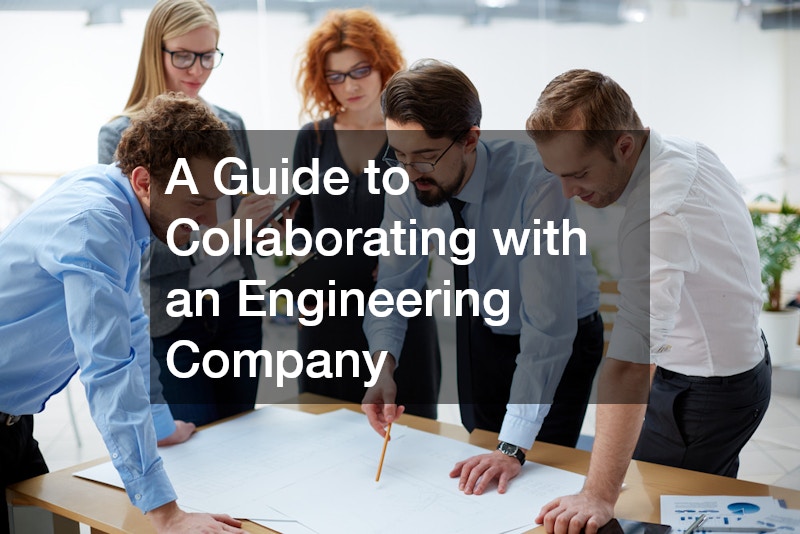
Collaborating with an engineering company can be a transformative experience for businesses looking to bring innovative solutions to life. These collaborations require a deep understanding of processes, clear communication, and setting defined objectives to ensure successful project outcomes. This guide will provide a comprehensive overview of how to effectively work with an engineering company, from initial contact to project completion, ensuring mutually beneficial results for both parties involved.
Video Source
The first step in collaborating with an engineering company is to clearly understand your own needs and objectives. It's fundamental to articulate the goals you want to achieve and the problem you're trying to solve. This awareness helps in determining the specific type of engineering expertise required, whether it's mechanical, civil, or electrical engineering. Reflect on both short-term goals and long-term visions to give clarity to your project requirements. Having a detailed project scope can aid in effective communication with potential engineering partners.
Assessing your current in-house capabilities is also crucial. Determine what skillsets or technologies you're lacking that an engineering company can provide. For instance, you might have a strong conceptual team but lack the technical expertise to bring ideas to fruition. This gap analysis helps in finding an engineering company that complements your existing resources. Knowing exactly what you need makes it easier to identify the right partner for collaboration.
Once you have a solid understanding of your needs, the next step is selecting the right engineering company. Start by conducting thorough research on potential companies, paying attention to their experience and expertise areas. Look for companies that have handled projects similar to yours, as their familiarity with your industry could be crucial. Consider their track record of success, reputation in the industry, and client testimonials as part of your research process. In-depth research will narrow down your options to the most suitable candidates.
It's also important to evaluate the engineering company's approach to innovation and its adaptability. A company that is up-to-date with the latest technologies and industry trends can offer more innovative and efficient solutions. Discuss how they stay current in their field and assess their willingness to tailor solutions to your project needs. Their ability to adapt and innovate can provide a competitive edge in your project. This adaptability is often indicative of a forward-thinking and resourceful engineering partner.
Effective communication is the cornerstone of a successful collaboration with an engineering company. Clear, open lines of communication should be maintained right from the outset of the project. Set up regular meetings to discuss progress, address challenges, and accommodate any necessary changes. A communication protocol, including defining points of contact and preferred communication tools, also aids in maintaining consistency. This ensures that everyone is on the same page and can address issues swiftly when they arise.
In addition to regular updates, documenting all communications is beneficial. Keeping a detailed record of decisions, timelines, and changes to the project scope ensures that everyone has access to essential information. This is particularly important in large or complex projects where multiple stakeholders might be involved. Documenting discussions also reduces the risk of misinterpretations and facilitates accountability. A well-documented communication trail is an invaluable resource during and even after the project.
Clearly defined objectives and deliverables are essential to keep the project on track when working with an engineering company. Establish precise goals at the beginning of the collaboration to ensure all team members understand the project's direction. These goals should be measurable, achievable, relevant, and time-bound, forming the basis for project milestones. Breaking down larger objectives into manageable tasks ensures steady progress and facilitates tracking of achievements. Clear objectives provide a blueprint from which to measure project success.
In alignment with establishing goals, delineating deliverables provides a clear picture of what the engineering company is expected to produce. This includes detailed specifications of deliverables, which reduce room for ambiguity. Specifying what constitutes a completed task or milestone helps the engineering team focus efforts and manage resources efficiently. Moreover, agreed-upon deliverables allow for assessing progress and efficiency during reviews. This clarity protects both parties from scope creep, ensuring that the project remains within its intended boundaries.
Implementing a structured feedback process ensures continuous improvement when partnering with an engineering company. Created checkpoints for review, allowing the team to assess and adjust their approach as needed. Encouraging a culture of openness to feedback promotes learning from mistakes and celebrating achievements, fostering progress over time. Implementing changes based on feedback helps the project align closer to its goals and improves overall quality. Structured feedback loops contribute to a more adaptive project approach, enhancing chances of success.
Integrating iterative improvements into the project life cycle is vital for adaptability. By embracing iterative development, teams can refine processes incrementally, improving quality and performance at each stage. This approach allows for reacting to challenges effectively, minimizing waste, and maximizing efficiency. Iteration ensures that the final result is optimized, meeting the latest requirements and exceeding expectations. Engineering projects are fluid, and this flexibility enables better risk management and more innovative solutions.
Additionally, evaluating project outcomes can serve as a valuable learning tool for future collaborations. Analyzing what worked, what didn't, and why certain decisions led to specific results creates a knowledge base that can guide future projects. Documenting these lessons helps the engineering company build on success and address areas that need improvement. This continual learning cycle not only improves processes but also strengthens the collaborative relationship for potential future engagements. A learning-focused partnership fosters trust and opens doors to more innovative opportunities.