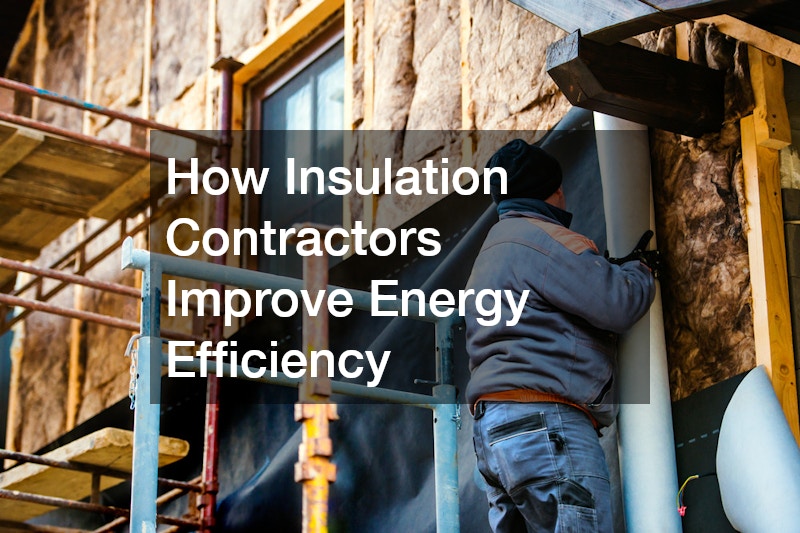
In a world increasingly focused on sustainability and energy conservation, the role of insulation contractors has become critical. These professionals, with their expertise and specialized skills, play a vital part in improving a home or building's energy efficiency. This article delves into the various ways in which insulation contractors help to reduce energy consumption, contributing significantly to environmental sustainability and cost savings.
Video Source
Insulation is a fundamental component in the construction and maintenance of any building aiming for energy efficiency. It serves as a barrier to heat flow, keeping your house warm in the winter and cool in the summer. Without proper insulation, residential and commercial buildings can face significant heat loss, which directly affects energy consumption and utility costs.
Insulation contractors play a critical role in selecting and installing the right type of insulation based on the specific needs of the building. They assess various factors such as climate, building design, and energy goals to determine the most effective materials to use. These professionals ensure that the work is done efficiently, providing maximum thermal resistance to reduce heat transfer.
Additionally, quality insulation contributes to improved indoor air quality by reducing the infiltration of outdoor pollution and allergens. This creates a healthier living environment, which is particularly beneficial for individuals with respiratory conditions. In the grand scheme, increased energy efficiency results in reduced demands on power plants, which helps lower greenhouse gas emissions.
Insulation contractors have an array of materials at their disposal to increase energy efficiency in buildings. Each material offers unique thermal properties suitable for different environments and purposes. Common types of insulation include fiberglass, cellulose, foam board, and spray foam, each selected for its specific benefits and application.
Fiberglass insulation, often used in residential settings, is known for its affordability and effectiveness in reducing heat transfer. Cellulose insulation, made from recycled paper products, offers an environmentally friendly option, appealing to sustainability-conscious homeowners. Insulation contractors evaluate these materials' pros and cons, ensuring the choice aligns with energy conservation goals and building codes.
Advanced materials such as spray foam offer high R-values and air-sealing properties, making them ideal for a more comprehensive energy efficiency solution. Insulation contractors utilize these products to fill gaps and seal areas that traditional insulation might miss. By doing so, they prevent drafts, enhance comfort, and contribute to significant energy savings over time.
The installation of insulation is a meticulous process that requires the expertise of trained insulation contractors. They begin by conducting a thorough assessment to identify areas of the building that need insulation updates or improvements. Such preliminary evaluations are crucial for ensuring that all potential sources of energy loss are addressed.
Once the assessment is complete, contractors prepare the space for installation, ensuring that all surfaces are clean and suitable for adherence. This preparation may involve sealing leaks, removing old materials, and ensuring that the new insulation will effectively perform at its peak. The outcome is a material that not only fits precisely within the designated spaces but also functions optimally to reduce energy consumption.
Finally, insulation contractors provide quality assurance through post-installation checks. They use tools and techniques to verify that the insulation is installed correctly, ensuring proper coverage and effectiveness. This step is paramount because even small gaps can drastically reduce the efficiency of the insulation system, leading to continued energy loss and higher utility bills.
Hiring professional insulation contractors offers numerous advantages. They provide expert recommendations tailored to a building's specific needs, ensuring optimal energy efficiency. Professional contractors also have access to high-quality materials and advanced tools, which enhance the durability and effectiveness of the installed insulation.
Beyond technical skills, contractors bring a wealth of experience to the table, which can translate into cost savings. Their knowledge of building codes and standards ensures compliance, preventing potential fines or the need for costly modifications down the line. By ensuring that the work is done right the first time, property owners can enjoy the peace of mind that comes with a well-insulated building.
In terms of long-term benefits, well-executed insulation projects result in lower utility bills and reduced environmental impact. Over time, the savings on energy expenses can offset the initial investment in professional installation. Moreover, high-quality insulation can increase a property's value, making it a wise investment for homeowners and commercial property owners alike.
Insulation contractors play an essential role in promoting energy efficiency through their expertise and dedication to high-quality work. By choosing the right materials and ensuring proper installation, they help buildings minimize energy consumption and contribute to a healthier environment. As sustainability continues to be a priority worldwide, the importance of skilled insulation contractors will only grow, making them invaluable partners in the quest for energy efficiency.