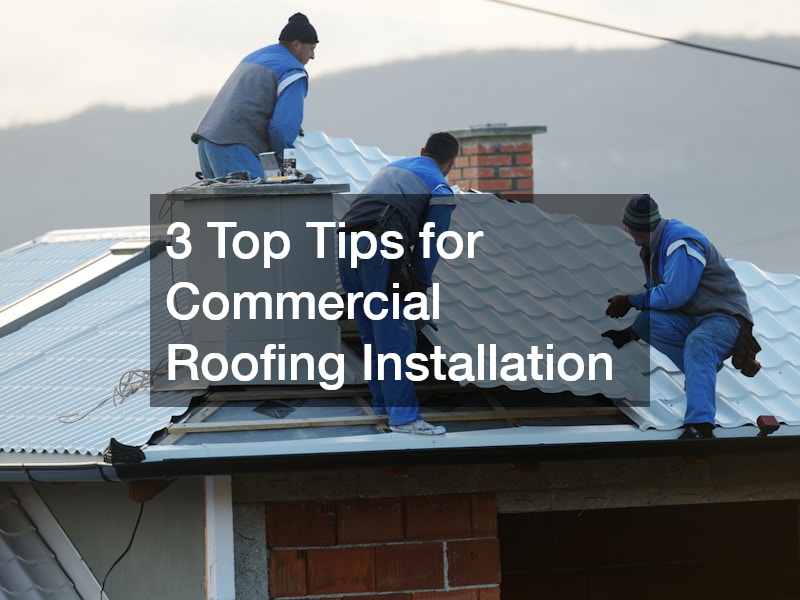
A commercial roofing installation goes far beyond just providing a cover over a building; it plays a critical role in safeguarding assets, ensuring energy efficiency, and contributes to the aesthetic and structural integrity of the structure. In an era where building sustainability and cost-efficiency are paramount, the importance of precise and well-thought commercial roofing cannot be overstated. This article outlines the top tips that ensure success in commercial roofing projects, ensuring both quality and longevity in every undertaking.
Video Source
When embarking on a commercial roofing project, selecting the right materials is foundational to ensuring the roof's durability and effectiveness. Different materials such as TPO, EPDM, and PVC play significant roles in energy efficiency and weather resistance. TPO is known for its reflective properties, reducing cooling costs, while EPDM is favored for its durability and resistance against the elements. By expertly matching materials to the specific needs of the building, businesses can achieve optimal performance and longevity from their roofs.
Quality is paramount when it comes to commercial roofing materials. Given the substantial financial investment, choosing materials that offer a reliable and robust lifespan is imperative. High-quality roofing materials often come with extended warranties, providing peace of mind against potential damage caused by severe weather conditions or unforeseen events. Such warranties are a testament to their durability, further emphasizing the importance of investing in premium materials as a long-term cost-saving strategy.
Commercial roofing materials must also consider environmental impact and sustainability. A growing trend in the industry is the use of green or vegetative roofing, which not only enhances insulation but also contributes to the building's ecological credentials. Using recycled materials or those that can be recycled at the end of their life cycle is another critical consideration. These choices help organizations meet regulatory requirements and enhance their corporate responsibility profiles.
A proper installation process is critical to maximizing the lifespan of a commercial roof. Engaging professional roofing contractors with proven experience ensures that all technical aspects of the installation are handled expertly. These professionals use specific installation techniques, such as proper sealing and material handling, to prevent common issues like leaks and thermal bridging. Following manufacturer guidelines and industry standards is non-negotiable for maintaining roof integrity through the years.
One vital aspect of ensuring longevity is implementing routine maintenance and inspections. Regular checkups can identify potential issues such as minor leaks or material deterioration before they escalate. By addressing these issues promptly, businesses can avoid costly repairs or replacements. Moreover, routine maintenance aligns with warranty requirements, which often stipulate regular inspections to remain valid.
A crucial pitfall to avoid during installation is neglecting the building's unique structural characteristics. Factors such as slope, climate, and local weather patterns can influence material performance and installation techniques. Tailoring the roofing strategy to align with these factors prevents premature wear and optimizes efficiency. Industry standards and local building codes also play a crucial role in ensuring the installation is resilient and compliant.
Understanding the costs associated with commercial roofing projects is essential for budget planning and financial management. The total cost is influenced by factors including material choice, labor, roof size, and complexity of the installation. Premium materials like TPO or PVC tend to be more expensive upfront but can result in cost savings over time due to their energy efficiency and longevity. By considering both initial costs and long-term benefits, businesses can make informed financial decisions.
Budgeting for a commercial roofing project involves more than just material and installation costs. Ancillary expenses, such as permits, inspection fees, and potential disruptions to business operations during installation, must also be accounted for. Developing a comprehensive financial plan that anticipates these costs helps manage financial expectations and avoid unexpected financial burdens partway through a project.
Cost management strategies are vital to staying within budget while ensuring quality outcomes. Seeking multiple bids from reputable contractors can provide a clearer picture of market rates and help negotiate better deals. Additionally, incorporating contingency funds into the budget can accommodate unforeseen expenditures, minimizing the risk of financial strain during the roofing project.
Commercial roofing installation is a multifaceted process that demands careful consideration of materials, expert installation practices, and thorough cost management. By prioritizing these elements, businesses can ensure a durable, efficient, and aesthetically pleasing roofing solution. Following the outlined tips not only enhances structural integrity but also offers peace of mind and ultimately contributes to the success and resilience of commercial properties.