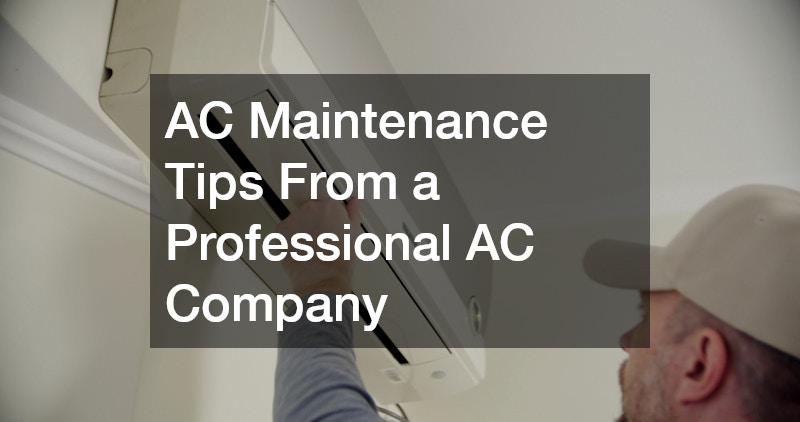
Proper maintenance of your air conditioning (AC) unit is essential to ensure its efficiency and longevity. As professional AC service providers from experienced AC companies, we understand the importance of regular check-ups and troubleshooting to avoid costly repairs and discomfort during the hot months. This article aims to provide valuable insights into maintaining your AC system effectively.
Video Source
Regular servicing of your AC unit is crucial for its durability and efficiency. Industry experts generally recommend scheduling a professional maintenance check at least once a year, ideally in the spring before the temperatures rise significantly. By doing so, you ensure that your AC system operates efficiently when you need it the most, potentially extending its lifespan significantly.
Adhering to a consistent servicing schedule can help detect and address minor problems before they escalate into more expensive repairs or replacements. Routine maintenance checks involve cleaning, system tests, and inspections that only a professional technician can accurately evaluate. The investment in routine maintenance often pales in comparison to the costs associated with significant breakdowns or inefficiencies that arise from neglect.
Moreover, a well-serviced AC unit tends to consume less energy, leading to reduced utility bills. With the rising costs of utilities, ensuring that your AC system functions optimally can offer both long-term financial savings and environmental benefits. Professional maintenance also ensures that your unit complies with any warranty requirements, preventing voids and offering peace of mind.
Even outside of the scheduled service visits, there are clear indicators that your AC unit may require attention. One of the first signs is a noticeable decrease in cooling efficiency, which might suggest clogged filters, refrigerant leakages, or issues with the thermostat. A professional assessment can pinpoint and resolve these issues effectively.
Unusual noises emanating from your AC system, such as grinding or squealing, can point to mechanical problems or loose components that need immediate attention. Ignoring these noises can result in further system damage, ultimately leading to more expensive repairs or replacements. Early detection is crucial to avoid such complications.
Another indicator is the presence of odd smells when the AC is running, which can suggest mold or mildew growth within the system. These not only affect air quality but can also pose health risks. Prompt intervention and cleaning are necessary to ensure a safe and healthy indoor environment.
Delaying or neglecting scheduled service appointments can have significant cost implications. Minor issues left unchecked can develop into major failures, resulting in costly repair bills or even the need for a complete system replacement, which is a substantial financial burden. Timely maintenance can help mitigate these costs by addressing issues early.
In addition, inefficient AC units typically use more electricity, leading to higher energy bills. An AC unit struggling to perform due to lack of maintenance consumes more power as it tries to meet the desired temperature settings, which directly impacts your monthly expenses. Investing in regular maintenance can thus lead to considerable savings on energy costs over time.
Beyond financial costs, service delays can also lead to discomfort during peak seasonal temperatures. Emergency repair services can be more expensive than regular maintenance checks, and waiting for an available technician during the busy season can mean enduring prolonged periods of heat without air conditioning. Regular service schedules help avoid these inconveniences.
Taking proactive steps in maintaining your AC unit at home can save you money and prolong the equipment's lifespan. Simple DIY practices can complement professional services and ensure that your AC unit remains in top condition between scheduled maintenance checks, offering a comfortable environment in your home or business year-round.
Regularly checking and cleaning or replacing your unit's air filters is one of the most effective DIY maintenance practices. Dirty filters obstruct airflow, reducing the system's efficiency and air quality. Most filters should be cleaned or replaced every 1-2 months during peak usage periods to ensure optimal performance and efficiency.
Another simple yet important DIY task is inspecting the outdoor unit. Remove any debris such as leaves, twigs, or dirt that may accumulate around or on the unit. Ensuring that there's a clear space of at least two feet around the unit can improve air circulation and system efficiency, reducing the likelihood of overheating and extensive wear.
Proper filter maintenance is crucial to your AC unit's performance and efficiency. A clean filter promotes better airflow, which reduces the workload on your system, enhancing its lifespan and reducing energy consumption. Ignoring this can lead to clogs that restrict airflow, causing the system to strain and potentially overheat.
To clean your AC filters, remove them from the unit and gently wash them using mild soap and water. Allow the filters to dry completely before reinserting them. If your unit uses disposable filters, check their condition regularly and replace them as soon as they appear dirty or at least once a month during heavy usage periods to ensure efficient operation.
In addition to energy savings, maintaining clean filters supports better indoor air quality, which is especially important for individuals with allergies or respiratory concerns. Clean filters trap pollutants and particles more effectively, contributing to a healthier living or working environment.
Consistent AC maintenance, whether DIY or professional, is crucial to your unit's performance and lifespan. By following the tips outlined in this article and scheduling regular service appointments, you can ensure a comfortable and cost-effective environment in your home or office. Regular maintenance maximizes your AC unit’s efficiency, reduces energy costs, and helps avoid expensive repairs or sudden breakdowns, offering peace of mind and long-term savings.