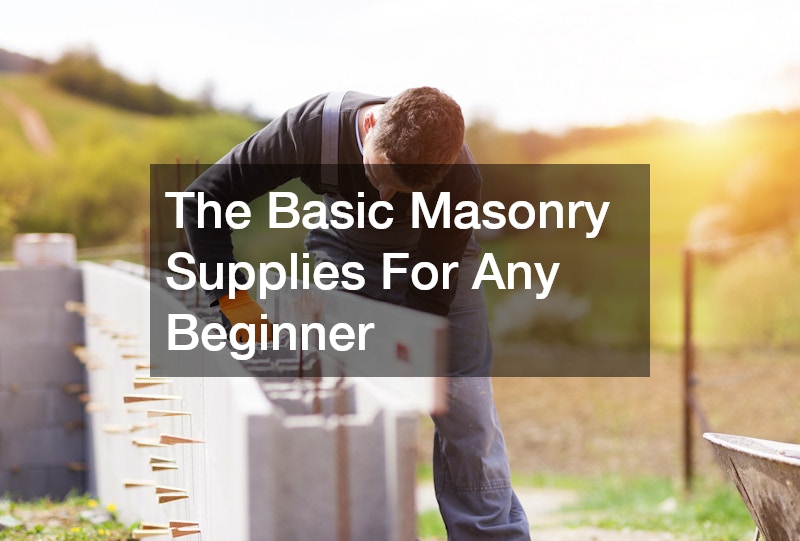
Understanding the essential masonry supplies is crucial for any beginner looking to embark on their first masonry project. This article provides a comprehensive guide to the basic tools and materials needed to get started with masonry work, ensuring you're well-equipped and prepared.
Starting with the right tools is key to successful masonry work. This section will cover must-have tools every beginner mason needs, such as trowels, hammers, chisels, and levels, explaining their usage and importance in masonry projects.
Video Source
The trowel is perhaps the most iconic tool associated with masonry, and for good reason. It is instrumental in applying and shaping mortar when laying bricks or stones. A beginner should consider starting with a pointed trowel, which is particularly versatile. Not just any trowel will suffice; choosing one with a comfortable handle and balanced weight can reduce strain during prolonged use. Additionally, specialized trowels exist for different types of masonry work, from placing to smoothing and edging, making it a worthwhile investment for those serious about masonry.
Next in line is the hammer, specifically the mason's hammer, which serves dual purposes. One side of the hammer is flat, used for striking, while the other is chiseled to cut bricks or stones. Unlike regular hammers, masons' hammers are designed to withstand the considerable force needed to shape hardy materials like bricks and stones. Selecting a hammer with a solid grip can significantly improve precision and reduce the risk of injury over prolonged use.
Chisels are vital in masonry for cutting and shaping hard materials to fit them into desired shapes or spaces. For beginners, a basic set of chisels of varying sizes will suffice, particularly those made of robust materials like steel to ensure longevity and effectiveness. Chisels with protective handles are better as they offer a more secure grip and reduce shock transfer during hammer strikes.
Choosing the right materials can make or break your masonry project. We'll take a closer look at fundamental materials including bricks, mortar, stones, and concrete, discussing their characteristics and applications to help you make informed decisions.
Bricks are the foundational material in many masonry projects due to their durability and versatility. There are various types of bricks, each with unique properties and applications, from solid to hollow, clay to concrete. Understanding the type of brick needed for a specific project is essential. For instance, clay bricks, known for their robustness, are excellent for building walls, while hollow bricks are lighter and ideal for partitioning.
Mortar is the adhesive that binds the bricks or stones, and selecting the right type of mortar is crucial. A basic understanding of how different mixes work can impact the outcome of your masonry job. Mortar typically consists of cement, lime, and sand, with variations for specific uses, like weather-resistant or high-strength mortars. Properly mixed mortar not only provides structural integrity but also affects the aesthetic outcome of your masonry work.
Concrete often serves as the foundation and structural core in masonry works. Unlike bricks and mortar, concrete can be molded to any shape, but its performance is highly dependent on proper mixture and curing. Beginners should familiarize themselves with the process of mixing concrete to achieve the desired hardiness and durability. Pre-mixed concrete bags are an excellent option for first-timers, ensuring consistent results without the guesswork.
For beginners, finding quality masonry supplies at an affordable price is often challenging. This section provides tips and strategies for sourcing cost-effective yet durable tools and materials, enabling you to balance quality with budgetary constraints.
Shopping smart for masonry supplies means knowing where to look for deals and focusing on essential tools rather than an exhaustive list. Local hardware stores often have discounts on bulk purchases or clearance items that can significantly lower costs. Online stores offer price comparisons and ratings to help ensure that you're getting value for your money. Prioritizing the purchase of high-quality essential tools like trowels and hammers can save money in the long run by avoiding frequent replacements.
The quality of materials can be evaluated by comparing products from different manufacturers. For instance, locally sourced bricks or stones might offer better quality control and may even be cheaper due to reduced transportation costs. Visiting local manufacturers or quarries can provide both insight into the production process and potential bulk price reductions. Testing small samples of materials before purchase is a worthwhile strategy to ensure they meet the required standards.
Another budget-saving tip is to purchase used or refurbished tools, which can often deliver the same performance as new tools at a fraction of the cost. Warehouse clearance sales or second-hand shops are excellent sources for such tools. However, always inspect the tools thoroughly for signs of excessive wear or damage that might impede functionality. Balancing between the immediacy of new tools and the cost-effectiveness of used ones often results in optimal budget management for beginner masons.
Equipping yourself with the proper masonry supplies is the first step towards efficient and successful masonry work. By understanding the necessary tools, materials, and cost-effective purchasing strategies, beginner masons can confidently tackle projects and enhance their skills.