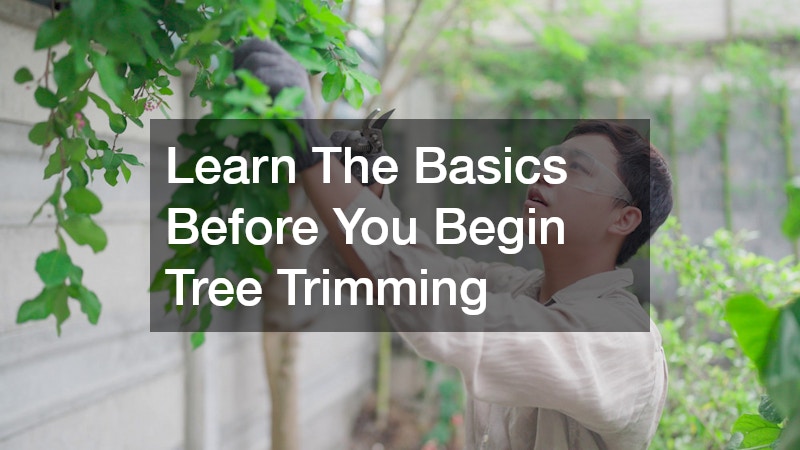
Tree trimming is a fundamental aspect of tree maintenance that plays a critical role in ensuring the health and vitality of trees. By engaging in tree trimming, one can prevent disease, enhance growth, and improve the overall appearance of a landscape. Understanding the basics of tree trimming before beginning the process can save you time, effort, and ensure the health of your trees.
Video Source
To successfully trim trees, it is essential to select the right tools for the job, including pruning shears, loppers, and saws. Each tool has a specific purpose, whether it’s for cutting small branches or tackling thicker limbs. The right tool choice largely depends on the size and type of the tree being trimmed.
Pruning shears serve well for smaller branches and are ideal for one-handed use on thinner growths. When dealing with medium-sized branches, long-handled loppers provide a greater reach and leverage. For the largest branches, hand saws, or even motorized saws for very large trees, become crucial.
Selecting the appropriate tool is not only about efficiency but also safety and the quality of cuts made, which impacts the tree’s health. A clean cut reduces the risk of disease and pests entering the tree. Ensuring tools are sharp and well-maintained is equally important for optimal performance and tree health.
The timing of tree trimming can significantly influence the health and growth of trees, making it crucial to consider the season. Most trees benefit from trimming during their dormant season, which is usually late winter or early spring. During dormancy, trees are less susceptible to damage, and the risk of disease contamination is minimized.
However, the best time to trim can vary depending on the tree species and regional climate. For instance, spring-flowering trees often require trimming immediately after their flowers fade. Trimming trees at the wrong time can lead to excessive sap flow, attract pests, and may cause undue stress to the tree.
Proper timing of tree trimming also enhances flowering and fruiting by directing more energy to the growth areas that matter most. Awareness of seasonal patterns ensures that tree trimming activities align with the natural growth cycle, thereby promoting healthier, more robust trees.
Tree trimming not only supports the health of individual trees but also enhances the overall landscape. Well-maintained trees contribute to improved curb appeal, increased property value, and a more inviting outdoor space. By removing overgrown or dead branches, more sunlight and air circulation can reach underlying plants and grass, promoting a thriving ecosystem within the yard or garden. Additionally, strategic trimming can shape trees to complement architectural features or open up scenic views, making the landscape more functional and aesthetically pleasing.
Safety should always be a top priority when trimming trees to prevent accidents and injuries. Wearing protective gear such as gloves, goggles, and a hard hat provides a basic safeguard against common hazards. Given the physical nature of tree trimming, ensuring the well-being of oneself and those around is fundamental.
Proper ladder usage is also vital, as many tree trimming tasks involve reaching higher branches. Ensuring the ladder is stable, set on level ground, and at the right angle can prevent falls and injuries. Furthermore, assess the surroundings to be aware of power lines or other potential dangers.
Beyond personal safety gear, consider the environmental and situational factors when planning tree trimming activities. Working with a partner or hiring professional arborists can mitigate risks, especially when dealing with large or hazardous trees. Safety precautions not only protect individuals but also ensure that the process is as efficient and smooth as possible.
While tree trimming offers numerous benefits, it’s important to avoid common errors that can cause more harm than good. Over-pruning, or removing too much of the tree at once, can weaken its structure and leave it vulnerable to pests and disease. Making improper cuts—such as leaving stubs or cutting too close to the trunk—can also impede healing and invite decay. It’s essential to research or consult a professional to understand the proper techniques for trimming specific tree species. Avoiding these pitfalls ensures that tree trimming results in stronger, healthier trees rather than unintended damage.
In summary, tree trimming is an essential practice that, when done correctly, contributes to healthy, vibrant landscapes. By selecting the right tools, understanding the optimal timing, and prioritizing safety, one can effectively maintain the health and appearance of trees. Understanding and applying these fundamental concepts ensures successful tree trimming, creating safer and more beautiful environments.