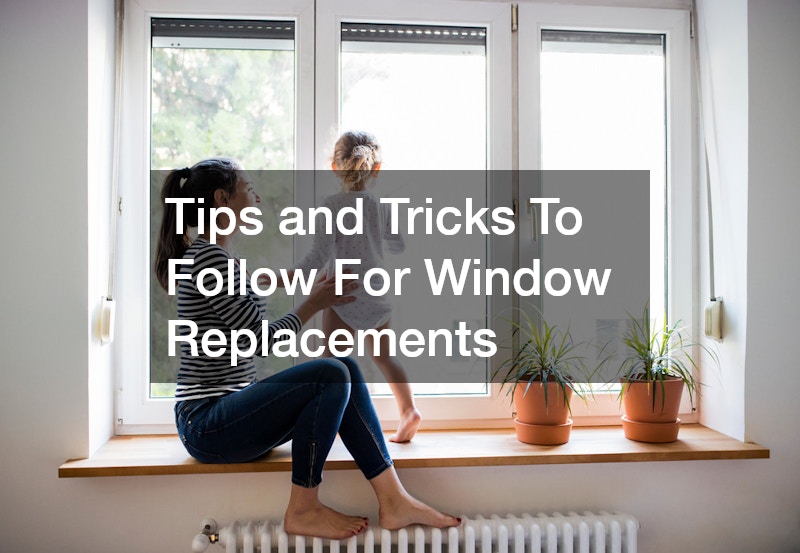
Window replacement can significantly impact energy efficiency, comfort, and the aesthetic appeal of your home. However, undertaking window replacements requires careful consideration and planning. In this guide, we will explore some expert tips and tricks for successfully replacing your windows to achieve the best results.
Video Source
Selecting windows suited to your local climate can enhance energy efficiency and longevity. Different climates demand specific window properties to optimize comfort and performance. For example, homes in colder climates might benefit from double or triple-glazed windows that provide superior insulation, while those in warmer areas could require low-emissivity (Low-E) coatings that reflect heat away from the house. Considering your region's temperature fluctuations can help you choose the most suitable window type, contributing to significant savings on energy bills over time.
Moreover, factoring in local weather conditions is vital. Coastal areas, where humidity and salty air are predominant, require windows made of materials that resist corrosion and minimize wear and tear. Storm-prone regions may benefit from impact-resistant windows that offer added protection against high winds and debris. By aligning your window choice with your climate's demands, you can ensure durable performance while maintaining a comfortable indoor environment year-round.
From wood to vinyl to fiberglass, each material has its benefits and drawbacks that should be considered based on your priorities. Wooden windows are cherished for their natural aesthetics and excellent insulating properties. However, they demand regular maintenance to prevent deterioration from moisture and insects. Despite this, for many homeowners, the timeless appeal of wood outweighs its maintenance requirements, making it a popular choice for classic home designs.
Vinyl windows, on the other hand, offer exceptional energy efficiency at a lower cost. They are known for their durability and minimal maintenance, resisting moisture and warping. Available in various styles and colors, vinyl windows can be a versatile option that caters to modern design trends. This makes them a favored option for budget-conscious homeowners seeking a balance between performance and aesthetics.
The timing of your window replacement project can affect installation costs and convenience. Spring and early summer are often deemed ideal for window replacement due to moderate weather conditions that facilitate easy installation. During these seasons, temperatures are appropriate for ensuring window sealants set correctly, minimizing the likelihood of issues caused by extreme cold or heat.
However, demand for window installers often peaks during these months, potentially leading to higher service costs and longer wait times. Conversely, opting for replacement during winter might yield cost benefits, as contractors are less busy and may offer discounts to secure projects during the off-peak season. Though colder weather may create installation challenges, skilled professionals can overcome these by using proper techniques.
Learn to recognize the signs indicating your windows are due for replacement, such as drafts or condensation. If you frequently feel drafts near closed windows, it indicates that they are no longer adequately sealed against the elements. This can result from aged window frames or compromised weather stripping, both of which diminish indoor comfort and inflate heating and cooling costs.
Condensation buildup between window panes is another red flag. It suggests that the insulating gas or seal in double or triple-glazed windows is failing, diminishing their ability to provide efficient thermal insulation. Addressing such issues promptly can enhance your home's energy efficiency and prevent further structural damage from prolonged moisture exposure.
Deciding between a DIY project and hiring professionals can impact costs and the quality of installation. A DIY approach can be cost-effective for those with the necessary skills and tools, offering savings on labor costs. Additionally, it provides a sense of accomplishment and allows greater control over the project timeline and execution.
However, improper installation may lead to problems such as air leaks, water infiltration, and voided warranties, which can incur additional costs down the road. On the contrary, professional installation typically provides a warranty covering workmanship and materials, offering peace of mind and safeguarding your investment. Professionals possess the expertise to handle potential challenges and can ensure that windows are installed to maximize their performance and lifespan.
Explore what a professional installation entails and how it can benefit your overall project outcome. Typically, professional window replacement begins with an in-depth consultation to assess your home's specific needs and preferences. Experts will offer tailored recommendations on suitable window types, materials, and installation techniques to address any unique architectural challenges.
The installation process itself is conducted with precision, utilizing industry-standard tools and techniques to ensure a perfect fit and secure placement. Professionals are adept at handling unexpected issues, such as structural anomalies, and can make informed decisions that uphold both performance and aesthetics. Additionally, they adhere to building codes and safety regulations, ensuring compliance and reducing liability risks.
Window replacement is a valuable investment for any homeowner. By selecting the right type of windows, choosing the optimal time for installation, and weighing the pros and cons of professional services, you can ensure your window replacement project meets your expectations and enhances your home in multiple ways. Utilize these tips and tricks as a roadmap to make informed decisions and achieve a successful outcome.