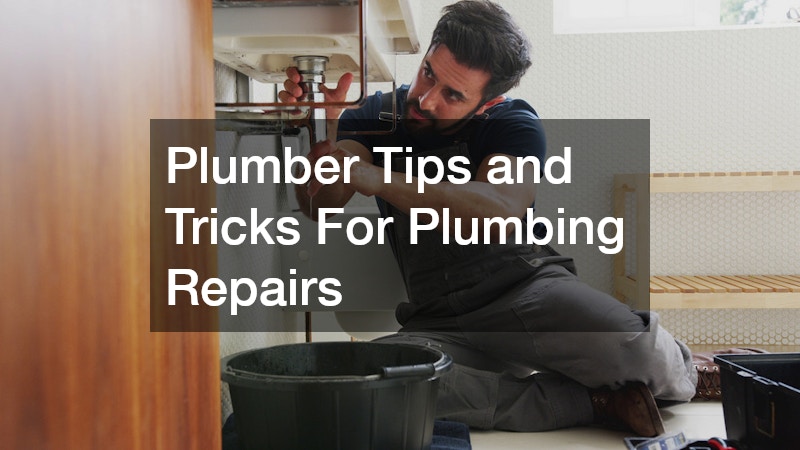
Welcome to our comprehensive guide on plumbing repairs, where we'll share essential tips and tricks to help both budding and experienced DIY enthusiasts tackle common plumbing issues like a pro. Plumbing repairs may seem daunting, but with the right guidance and understanding, you can save both time and money by handling minor problems on your own. Many homeowners encounter a variety of minor plumbing issues that don't necessarily require professional intervention, and with a little patience, these can be managed effectively.
Video Source
In this article, we'll cover some key areas that often pose challenges, and guide you through resolving them efficiently and safely.
Leaky faucets are among the most common plumbing issues homeowners face. Not only do they lead to water wastage, but they can also significantly increase your water bill over time. Fixing a leaky faucet is typically straightforward if you properly identify the type of faucet you have and gather the necessary tools beforehand. Preparing yourself with the right information and equipment is crucial to achieving a successful repair, preventing further damage down the line.
The first step in fixing a leaky faucet is identifying the type of faucet you have. Common types include ball, cartridge, disc, and compression faucets, each with their respective processes. Knowing your faucet type will guide you in selecting the right parts and tools for the job, ensuring that your repair is effective. It's a good idea to familiarize yourself with the components unique to each faucet type, as this knowledge will facilitate a smoother repair process.
Before beginning the repair, make sure you have the necessary tools on hand. Basic tools include a wrench, screwdriver, and replacement parts specific to your faucet model. Having these tools readily available will enable you to complete the repair without unnecessary interruptions. Moreover, investing in quality tools can save time and effort, as they often provide better precision and durability, especially for delicate plumbing tasks.
Once you've identified your faucet type and gathered the required tools, it's time to proceed with the repair. Start by shutting off the water supply to prevent further leakage, then carefully disassemble the faucet. Replace the worn components such as washers or o-rings, which are often the culprits of leaks, and reassemble the faucet. Test the repaired faucet by gradually turning the water back on, ensuring no leaks persist and everything operates smoothly.
Clogged drains can become a nuisance if not addressed promptly. Blockages can be caused by a variety of factors, such as hair, grease, or food particles that accumulate over time. It's essential to recognize the signs of a clog early on to prevent water from backing up and causing further issues. Addressing the problem before it escalates can save you time and potentially costly repairs in the future.
If natural remedies don't work, consider using mechanical tools such as a plunger or a plumber's snake. A plunger can be effective for minor clogs by using suction to dislodge the obstruction. For more stubborn clogs, a plumber's snake—a flexible tool capable of reaching deeper into the drain—can be employed to remove or break apart blockages. Always follow the manufacturer's instructions when using these tools to avoid damaging your plumbing system.
The first line of defense against freezing pipes is proper insulation. Insulating exposed pipes, especially those in unheated areas such as basements, attics, or garages, can significantly reduce the risk of freezing. Foam pipe insulation is readily available and easy to install, providing an additional layer of protection against the cold. Ensure that all exposed pipes, including those under sinks or near exterior walls, are well insulated to minimize the chance of freezing.
Keeping your home adequately heated is another effective strategy to prevent pipe freezing. Maintain a consistent temperature indoors, even when you're away from home, to ensure that all areas remain warm enough to protect your pipes. In addition to your regular heating system, you might consider using space heaters in particularly vulnerable areas to provide targeted warmth and further reduce the likelihood of frozen pipes.
Allowing a small trickle of water to flow through your faucets can prevent pipes from freezing by relieving pressure and promoting movement within the plumbing system. During exceptionally cold spells, this simple step can act as an additional safeguard against frozen pipes. While it may seem wasteful, the amount of water used is minimal compared to the potential costs of repairing burst pipes and water damage.
In conclusion, mastering basic plumbing repairs through these tips and tricks can significantly enhance your ability to maintain your home efficiently. By understanding how to identify and address common plumbing issues, you empower yourself to handle minor tasks without needing immediate professional help. Remember, while many plumbing issues can be resolved independently, don't hesitate to consult professional plumbers for more complex problems to ensure safety and accuracy. With practice, you'll gain the confidence to tackle minor plumbing repairs, ultimately saving both time and money. By being proactive and informed, you contribute to the upkeep and longevity of your home's plumbing system.