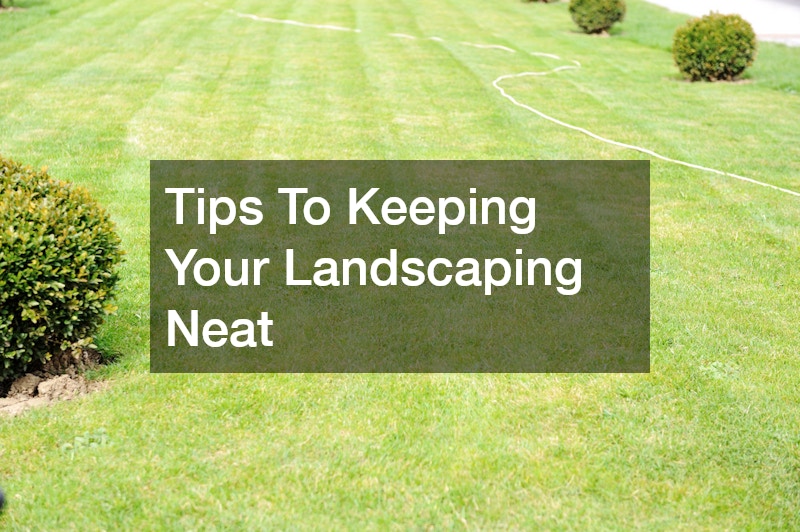
In the quest for maintaining an attractive home exterior, neat landscaping plays a pivotal role. It can enhance curb appeal, create a harmonious outdoor space, and increase property value. This article will explore essential tips and address common concerns about maintaining tidy and aesthetically pleasing landscaping.
Video Source
Effective mowing is crucial for maintaining a neat lawn. Regular mowing, with the blades set at the correct height, can promote healthy grass growth and prevent issues such as scalping or detaching. Choosing the right height depends on the type of grass; for instance, cool-season grasses should generally be kept at 2.5 to 3 inches, while warm-season grasses like Bermuda thrive at shorter heights around 1 to 2 inches. Keeping mower blades sharp is equally important, as dull blades can tear grass rather than cutting it cleanly. This can lead to jagged edges that dry out quickly and give lawns a brownish tint.
Proper fertilization acts as a cornerstone in maintaining a lush and vibrant lawn. New homeowners often underestimate the importance of this step, leading to sparse or uneven growth. It's important to use a balanced fertilizer and apply it at the recommended intervals to provide your grass with the essential nutrients it requires throughout the growing season. Typically, this involves feeding your lawn a minimum of two to four times annually, starting in the spring and continuing through the fall to promote enduring robustness and vitality in the grass.
Equally crucial as fertilization is maintaining a consistent watering schedule. Lawns generally require about 1 to 1.5 inches of water per week, which can come from rainfall or supplementary watering methods. Depending on your local climate and grass type, optimal watering schedules may vary. Morning is usually the best time to water your lawn, as it reduces evaporation losses in contrast to midday watering, and ensures grass blades have ample time to dry before nightfall, reducing the risk of diseases.
Implementing effective weed management strategies is instrumental in maintaining your lawn's pristine condition, as weeds can rapidly invade, overtake, and compromise the lawn's entire appearance. This includes regularly inspecting the grass for the presence of weeds and implementing pre-emergent herbicides during key times of the year to prevent weed seeds from germinating. Using post-emergence treatments can eradicate existing invaders, but it’s crucial to ensure they are applied correctly to avoid harming the grass.
Regular pruning and deadheading of plants are instrumental in encouraging healthy growth and sustaining the visual orderliness of garden beds. Pruning involves removing stray, dead, or diseased parts of plants to encourage a clean, structured shape and stimulate growth. This is particularly important in the active growing seasons when plants tend to grow quickly and can become unruly if not carefully managed.
Clearly defined borders between garden beds and lawns convey cleanliness and organization in landscape design, serving both an aesthetic and practical function. Edging can be achieved through various materials, such as stone, metal, or wood, each adding their unique texture and stitso the outdoor space. Implementing these borders not only enhances visual demarcation but also helps to restrict the invasion of lawn grass into flower beds, preserving the intended design.
Regularly trimming trees and shrubs is fundamental in maintaining a neat overall appearance and ensuring these landscape features do not dominate or obstruct other elements. Consistent trimming generally involves removing overgrown branches, allowing the plant to retain its intended shape and size while supporting healthy growth. Artisanally pruning shrubs into specific forms can further enhance the landscape design, adding character to your outdoor space.
Assessing the health of trees and shrubs regularly is critical for identifying early signs of diseases and pest infestations that can mar their appearance and degrade their structural integrity. Conducting routine visual checks can uncover issues such as discoloration, unusual growth patterns, and physical damage, which could indicate underlying health problems. Early intervention is key to preventing further spread and reducing potential treatments' intensity and cost.
Implementing disease control measures, including picking appropriate pesticides or biological control solutions, can curb pest problems effectively if applied quickly and correctly. Integrated pest management strategies, which often combine cultural, mechanical, and biological approaches, can foster environmentally-friendly solutions to protect plant health and landscape aesthetics. Applying nutritionally balanced fertilizers can also bolster plant resilience against diseases.
Keeping your landscaping neat requires diligence, proper techniques, and a strategic approach to maintenance. By following the tips outlined in this article, homeowners can enjoy a polished, appealing outdoor space that enhances their home's overall beauty and value. A commitment to regular maintenance practices, from lawn mowing and garden bed organization to tree management, ensures that your landscape remains as neat and attractive as desired. With careful attention and the implementation of effective strategies, you can preserve the vibrancy and beauty of your outdoor spaces year-round.