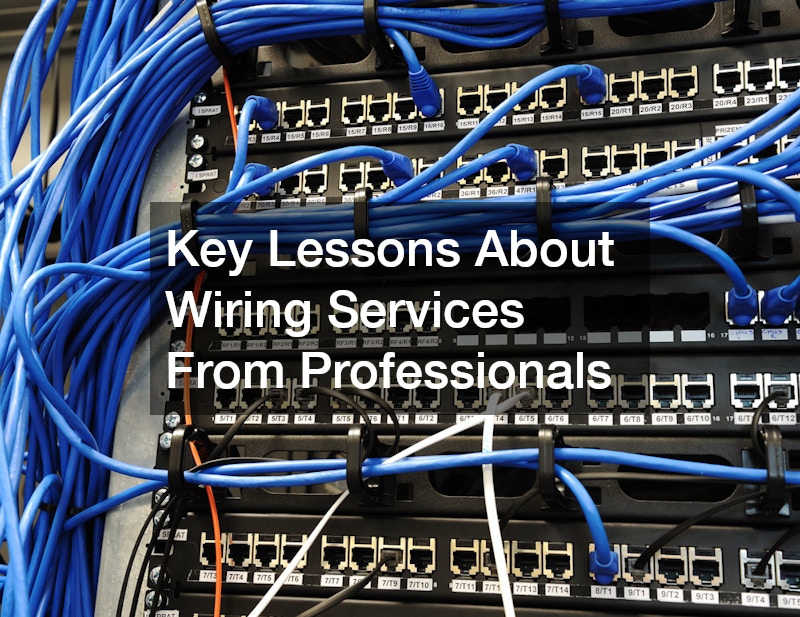
In this article, we will explore essential insights and lessons learned from professionals in the wiring services industry. Understanding these key aspects can help homeowners and property managers make informed decisions regarding their wiring needs. Electric wiring is a fundamental aspect of modern living, providing power for lighting, appliances, and essential systems.
Video Source
Inadequate wiring can lead to a variety of issues, making it crucial to gain knowledge from experienced professionals. By delving into common problems, service provider selection, safety measures, and the benefits of upgrades, readers will gain a comprehensive understanding of wiring services.
The first lesson revolves around the typical wiring issues many homeowners encounter. Knowing these can help in early detection and prevention. One common issue is frayed or damaged wiring, which can lead to shorts and electrical fires. Such hazards pose significant risks in residential settings and may often go unnoticed until it’s too late. An understanding of signs, such as flickering lights or tripped circuit breakers, can empower homeowners to act promptly.
Another prevalent concern involves outdated wiring systems that do not comply with current electrical codes. Homes built before the 1980s may possess wiring that struggles to support modern electrical demands. This can trigger overheating, sparking, and potential system failures, which necessitate upgrades for safety and efficiency. Homeowners should recognize the importance of periodic assessments to identify whether their wiring meets current standards.
Additionally, overloaded circuits can lead to significant problems, including frequent power outages and increased risk of fire hazards. Many individuals may not realize the stress placed on their wiring systems due to an excess of devices. It's crucial to engage professional services to evaluate the load capacity and make necessary adjustments. By being aware of these common wiring problems, homeowners can navigate potential hazards effectively.
Selecting the appropriate wiring service provider is crucial for quality work. This section will cover the factors to consider when making this choice. When assessing potential providers, it is essential to verify their qualifications and certifications. Licensed electricians possess the training and expertise to handle electrical work safely and efficiently. Homeowners should always verify credentials to ensure compliance with local regulations.
Another critical aspect of selecting a wiring service provider is considering their experience and reputation within the community. Reviews and testimonials can provide insights into reliability and quality of service. Engaging with past clients may reveal important details about the provider’s professionalism and the finished work’s durability. A strong track record can offer peace of mind, knowing your wiring projects are in capable hands.
Finally, it’s vital to obtain detailed quotes and estimates from multiple service providers. A transparent pricing structure allows homeowners to compare services offered and understand the cost implications. Clarity in what is included in the service will help avoid unexpected expenses. By thoughtfully considering these factors, homeowners can confidently choose a wiring service provider to meet their needs.
Safety is paramount in any wiring project. This section will highlight essential safety precautions recommended by professionals. First and foremost, ensuring that the power supply is completely shut off before beginning any electrical work is crucial. Neglecting this step can lead to severe electric shocks, posing risks to both homeowners and technicians. Proper training ensures that anyone engaging in wiring work understands this fundamental safety measure.
Employing the right tools and safety gear is another critical consideration. Professionals often utilize insulated tools to reduce the risk of electrical hazards. Personal protective equipment, such as gloves and safety goggles, further safeguards workers during installations. Homeowners should understand the value of using high-quality materials to minimize risks associated with inferior wiring products.
Moreover, engaging a licensed electrician who understands electrical codes and safety regulations cannot be overstated. Professional knowledge of the electrical system ensures installations adhere to requisite standards. This not only enhances safety but also contributes to long-term system reliability. By focusing on these key safety measures, homeowners can ensure wiring installations are conducted securely.
Understanding the benefits of upgrading wiring can lead to better energy efficiency and reduced costs. This section delves into the advantages of modern wiring solutions. Older wiring systems may not support energy-efficient appliances and devices, leading to unnecessary energy wastage. Upgrading can allow homes to utilize the latest energy-efficient technologies, resulting in substantial savings on utility bills over time.
Another significant advantage of modern wiring is the improvement in overall electrical safety. Upgraded systems reduce the risk of electrical fires caused by outdated materials or overloading. New wiring technologies, like copper wiring, provide better conductivity and longevity compared to older alternatives. Investing in an electrical upgrade ultimately enhances the safety and reliability of the home’s electrical system.
Furthermore, modern wiring designs can improve home automation capabilities. Smart home technology requires robust and reliable wiring systems to function effectively. Upgrading wiring can enable seamless integration of smart devices for lighting, security, and appliances, thereby enhancing convenience and efficiency in daily living. By embracing these upgrade benefits, homeowners can create a safer and more efficient living environment.
In conclusion, learning from professionals in the wiring services industry can significantly enhance your understanding and management of your electrical systems. By addressing common problems, making informed choices, ensuring safety, and considering upgrades, you can improve both safety and efficiency in your home or business. Embracing these lessons not only promotes better electrical practices but also empowers homeowners with the knowledge necessary for optimal electrical system management.