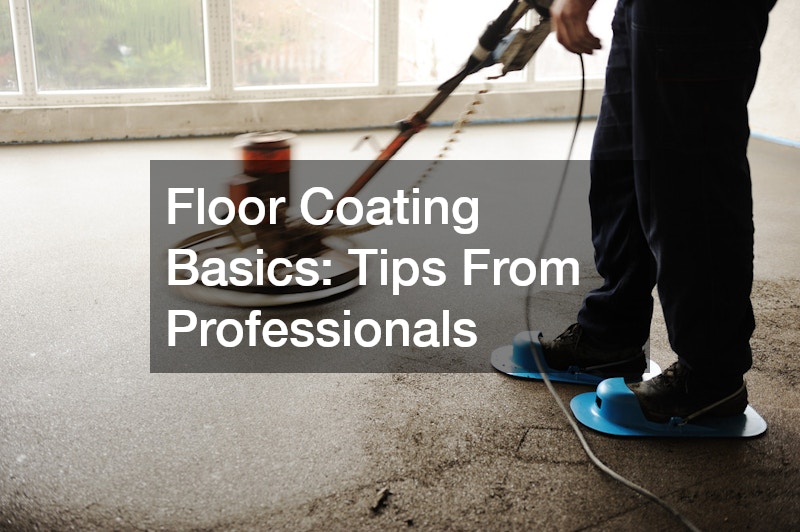
In this article, we will explore the basics of floor coatings, including essential tips and advice from seasoned professionals in the industry. Understanding different types of coatings, their benefits, and application processes will help you make informed decisions for your flooring needs. Floor coating is a protective finish applied to various types of flooring to enhance their durability and aesthetic appeal.
Video Source
Choosing the right floor coating is crucial for both residential and commercial spaces. It not only impacts the longevity of the flooring but also influences the overall ambiance of the area. With the plethora of options available, knowing the nuances of each type can save time and effort in the long run.
This comprehensive guide aims to demystify the world of floor coatings, providing valuable insights into selection criteria, application techniques, and maintenance. Whether you're a DIY enthusiast or planning to hire professionals, this information will equip you with the necessary knowledge to make the best choices.
In this section, we will discuss the various types of floor coatings available, including epoxy, polyurethane, and acrylic. Each type brings its own set of benefits and is suitable for different environments and purposes. Understanding these differences can help you select the right coating for your specific needs.
Epoxy is one of the most popular choices due to its incredible durability, chemical resistance, and aesthetic versatility. It is commonly used in industrial settings, garages, and even residential spaces for a seamless, attractive finish. Epoxy coatings can create a glossy look that reflects light, enhancing the overall visibility of the area.
Polyurethane coatings are known for their elasticity and resistance to abrasion and UV light, making them ideal for spaces that experience heavy foot traffic or exposure to sunlight. They can provide a robust protective layer while maintaining a beautiful appearance. Other options, such as acrylic coatings, offer rapid drying times and are perfect for external applications.
Here, we will delve into factors to consider when selecting a floor coating, such as durability, aesthetics, and environmental conditions. It's vital to evaluate the specific requirements of the area where the flooring will be installed. This could include factors like foot traffic, exposure to chemicals, or moisture levels.
Durability is often one of the first considerations when selecting a coating. Professional tips frequently emphasize the importance of understanding the environment and typical usage patterns. For instance, areas with high foot traffic often benefit from tougher coatings that resist wear and tear over time.
Aesthetics can play a significant role as well. Color and finish options can greatly affect the mood of a space. Many professionals advise considering not just the current design but also how the choice of flooring will complement future decor changes. Selecting a neutral base can allow flexibility in design updates without the need to replace the entire flooring.
This section will outline the step-by-step process for applying floor coatings, including preparation, application techniques, and curing times. Proper application is crucial for achieving the desired results and ensuring the longevity of the coating. Many professionals recommend taking a structured approach to avoid common pitfalls.
The preparation phase often involves cleaning the surface thoroughly to remove any dirt, grease, or previous coatings. This step can require specific chemicals or tools, depending on the flooring material and existing conditions. Professionals often follow a sequential process to ensure that all aspects of the preparation are addressed before moving on to application.
Application techniques vary by coating type. Some require specific tools such as rollers or sprayers to achieve the best finish. Additionally, understanding the curing time for each type of coating is essential to ensure optimal hardness and adhesion. Many manufacturers provide guidelines that should be closely followed for best results.
We will cover essential maintenance tips to keep your floor coatings in excellent condition and prolong their lifespan. Regular maintenance is necessary to preserve the integrity and appearance of floor coatings. Taking time to follow recommended maintenance practices can save money and effort in the long run.
An essential part of maintenance is routine cleaning. Depending on the type of coating and the environment, some floors may require more frequent cleaning than others. Simple techniques such as dust mopping or damp mopping can help keep the surface looking pristine while ensuring that dirt and debris do not cause damage over time.
Additionally, protecting the floor from heavy impacts and chemical spills can significantly extend its lifespan. Using mats in high-traffic areas or areas where spills are likely can make a notable difference. Lastly, consulting with professionals for specific maintenance advice tailored to your floor coating type can help ensure that you are following best practices.
By understanding the basics of floor coatings and following these professional tips, you can ensure a successful application and maintenance of your flooring. Investing in the right coating will enhance the beauty and durability of your floors. Proper preparation, application, and maintenance are key to enjoying a long-lasting finish that meets your functional and aesthetic needs.
With the right information at hand, making choices about floor coatings becomes less daunting. From identifying the ideal type to mastering the maintenance, knowledge empowers you to make decisions that reflect your style and practical needs.
Now equipped with insights and tips from professionals, you can confidently navigate the realm of floor coatings. Whether for personal projects or professional spaces, understanding these foundational aspects will lead to successful outcomes.