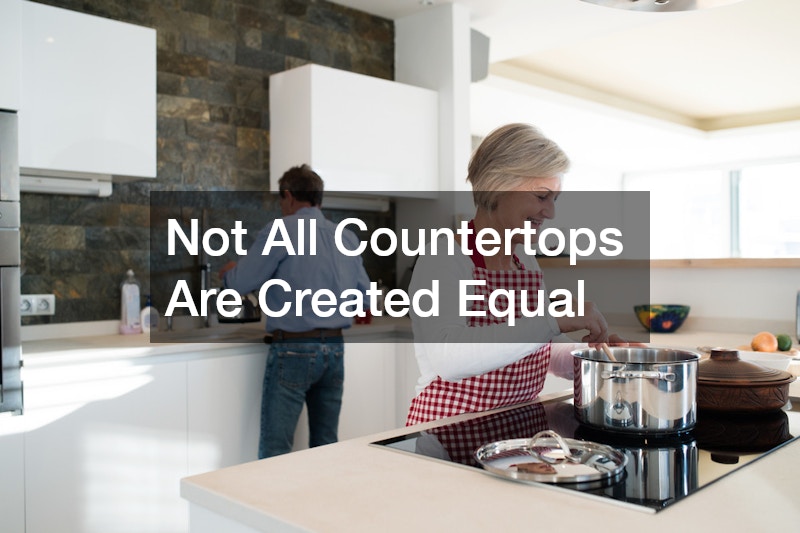
This article explores the diverse world of countertops, highlighting the unique qualities and characteristics that differentiate them. Understanding these differences will help homeowners make informed choices for their kitchens and bathrooms.
Countertops are more than just functional surfaces; they embody both style and practical considerations that can cater to a wide range of tastes and uses. From the classic elegance of marble to the modern appeal of quartz, each material serves a specific purpose and conveys a unique aesthetic.
Video Source
With so many options available, it's crucial to navigate the choices wisely, focusing on what aligns best with individual needs and lifestyles.
Equipping homeowners with knowledge about various countertop materials empowers them to make decisions that are not only pleasing to the eye but also practical for everyday use. Whether it's for a kitchen renovation or a bathroom upgrade, selecting the right countertop can significantly enhance the aesthetic and functional qualities of the space. This article serves as a guide, dissecting the pros and cons of popular countertop materials, their maintenance, and their impact on home value.
This section delves into the most commonly used materials, including granite, marble, quartz, and laminate, discussing their pros and cons.
Granite, known for its durability and natural beauty, is a top choice for many homeowners. It adds an elegant touch to any space and is incredibly heat-resistant, making it ideal for kitchen applications. However, its porous nature requires periodic sealing to prevent staining, which is an essential maintenance aspect that potential buyers should consider.
Marble, on the other hand, offers a timeless elegance that is hard to replicate, often becoming a key design element in both kitchens and bathrooms. While it is softer and more susceptible to scratches and etching from acidic substances, the aesthetic appeal of marble can elevate the space's overall value. Homeowners must weigh the visual benefits against the potential maintenance challenges that come with this opulent material.
Quartz countertops have gained immense popularity due to their non-porous nature and durability, making them resistant to stains and scratches. Unlike natural stone options, quartz offers a wide variety of colors and patterns, allowing for greater customization in designs. While it can be more expensive upfront, many homeowners find that the long-term benefits, such as low maintenance and lasting appeal, make it a worthwhile investment.
In this section, we cover essential factors to consider, such as durability, maintenance, cost, and aesthetic appeal when selecting a countertop.
Choosing the right countertop begins with assessing individual needs and lifestyle factors. For families with young children or frequent entertainers, a durable and easy-to-clean surface is essential. Understanding the daily use and potential wear and tear can help narrow down options and prioritize practical aspects in relation to aesthetic preferences.
Cost is another critical aspect to consider when selecting a countertop. While materials like granite and quartz can provide long-lasting durability, they often come with a higher price tag. Homeowners must create a budget that reflects their design aspirations without compromising on quality or long-term performance, ensuring they get the best value for their investment.
Aesthetics cannot be overlooked, as the countertop is one of the most visible surfaces in a kitchen or bathroom. Colors, patterns, and textures should complement the overall design scheme of the space, creating a cohesive look that is both functional and visually appealing. Balancing style and practicality is crucial to making the right choice when it comes to countertops.
This section provides insights into the upkeep needed for various countertop materials, including cleaning, sealing, and repair tips.
Granite countertops require regular sealing, typically every one to three years, depending on the type of granite and its porosity. This process helps prevent stains and keeps the surface looking pristine. For daily cleaning, a mild soap and water solution is often sufficient, and homeowners should avoid harsh chemicals that can damage the stone.
Marble, while stunning, demands more diligent care. Regular cleaning with pH-neutral soap is essential, and immediate attention should be paid to spills, especially from acidic substances that can etch its surface. Sealing marble every six to twelve months can help protect its beauty, but it's important to note that it may still show signs of wear over time, requiring appropriate maintenance.
Quartz countertops, due to their non-porous qualities, are generally easier to maintain. They can be wiped down with soapy water without the need for sealing. However, avoiding excessive heat and sharp objects is still recommended, as these can cause damage. Spot cleaning is typically straightforward, and their durability means fewer repairs are needed over time.
In this section, we analyze the impact of countertop choice on a home's resale value and overall appeal to potential buyers.
Countertops play a significant role in determining a home's overall value and appeal. High-quality materials like granite and quartz can enhance the aesthetic of kitchens and bathrooms, making them more attractive to potential buyers. A well-chosen countertop not only elevates the space but also signals the homeowner’s commitment to quality, which can resonate with buyers during the negotiation process.
On the other hand, opting for less durable or outdated materials, such as laminate, may detract from a home’s perceived value. Buyers often regard countertops as a statement of style and readiness for modern living, highlighting the importance of making informed choices that will appeal in future real estate transactions. Homeowners need to consider potential resale value alongside their personal preferences in material choice.
Ultimately, selecting the right countertop can serve as an investment in both enjoyment and property value. Homeowners should be mindful of market trends and buyer preferences in their area, aiming for materials and styles that will have enduring appeal, enhancing not just their current living experience but also contributing positively when it's time to sell the home.