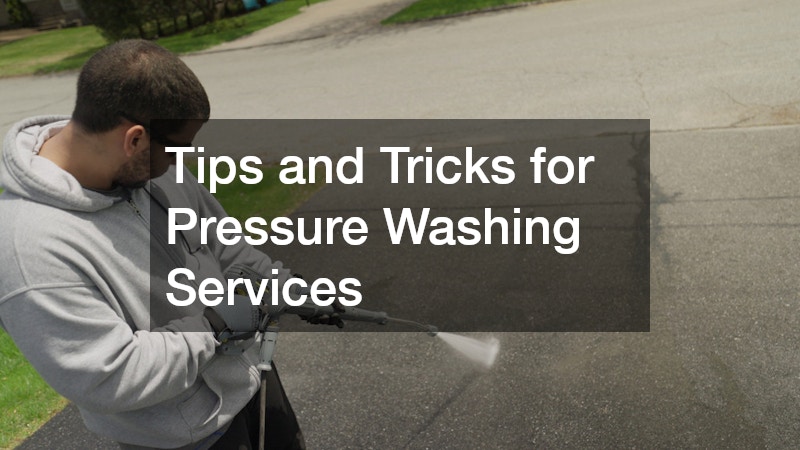
Pressure washing is an effective way to clean surfaces, removing dirt, mold, and other contaminants. In this article, we will explore some expert tips and tricks to maximize the efficiency and effectiveness of your pressure washing services.
Choosing the right pressure washer is crucial for effective cleaning, but with so many options available, it can be overwhelming to determine which type best suits your needs. Electric pressure washers, while generally less powerful, are perfect for lighter tasks such as cleaning cars, outdoor furniture, and small patios.
Video Source
Gasoline-powered pressure washers, on the other hand, offer higher PSI levels and are ideal for heavy-duty tasks like removing tough stains from driveways or preparing surfaces for painting.
In addition to residential units, commercial pressure washers are specially designed for professional services, providing more power and larger water flow rates. While they are more expensive, their efficiency and durability make them a worthwhile investment for long-term use. Hot water pressure washers are another category to consider; these are particularly effective for removing oil stains and grime that cold water cannot easily eliminate.
Investing in a pressure washer with adjustable pressure settings provides significant flexibility, allowing you to tailor the pressure to the specific cleaning task. Accessories such as rotating nozzles, surface cleaners, and extendable wands further enhance the washer’s capability, ensuring you clean effectively and efficiently. Understanding the functionality and appropriate application of each pressure washer type is key, including how they remove stubborn contaminants with ease.
Ensuring safety during pressure washing services is of utmost importance, so equipping yourself with the right safety gear ensures you minimize risk. Wearing protective goggles is essential as it shields your eyes from flying debris, chemicals, and water spray, all of which can cause serious injury. Additionally, sturdy gloves prevent cuts and abrasions, protect against harmful chemicals, and enhance grip on wet surfaces.
Appropriate footwear, like waterproof and slip-resistant boots, is another important safety precaution when operating a pressure washer. Along with footwear, wearing long sleeves and pants protects your skin from high-pressure water streams and reduces the risk of injury from debris. A primary safety practice is always to maintain a safe distance from the cleaning surface, preventing accidental injury from the high-pressure water jet.
Ensuring your pressure washer has a safety lock feature is vital; it prevents accidental engagement of the trigger, reducing the chance of unintended operation. Adequate training on how to use the device correctly and a thorough understanding of manufacturer guidelines further ensure safe handling. Operating a pressure washer without proper knowledge and safety precautions can result in serious injury, so it is crucial to follow these guidelines rigorously, keeping in mind the necessary safety precautions with precision.
Maintaining your pressure washing equipment regularly is essential to ensure its longevity and optimal performance. One crucial maintenance practice is checking and cleaning the inlet filter to prevent debris buildup, which maintains a steady water flow and prolongs pump health. Regular inspection of hoses and nozzles is also necessary; replacing worn-out ones avoids pressure drops and potential leaks during operation.
Another aspect of maintenance includes changing the oil for gas-powered pressure washers, ensuring the motor functions optimally without unnecessary wear. Similarly, keeping your pressure washer’s pump lubricated with the recommended oil prevents overheating and extends its lifespan. Storing your equipment properly after use, in a dry and cool place, helps prevent corrosion and maintains the overall quality of your machine over time.
Regular troubleshooting involves examining any unusual sounds or reduced performance, addressing issues like clogged nozzles or airlocks promptly. Keeping an eye out for any change in water pressure ensures problems are detected early and fixed before they escalate. Implementing these regular maintenance tasks can save significant costs in repairs in the long run, maximizing the lifespan of your equipment and ensuring consistent service delivery to clients, especially given how essential these tools are in achieving effective cleaning outcomes.
By understanding the essential tools, ensuring safety, and maintaining your equipment, you can provide top-notch pressure washing services. Implement these tips and tricks to achieve the best results for your clients.