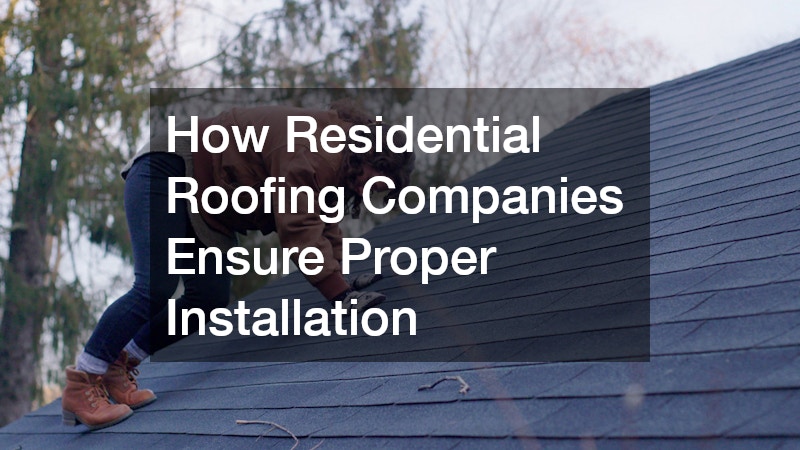
This article explores the critical processes and techniques used by residential roofing companies to ensure that roofing installations are completed correctly and effectively, safeguarding homes from weather and structural damages. From the precise placement of shingles to the proper use of tools like electric nail guns, every step plays a vital role in the longevity and performance of a roof. We’ll take a closer look at the standards professionals follow, the tools they trust, and how their attention to detail makes all the difference in protecting your home for years to come.
Video Source
Roofing companies follow a systematic process that includes initial inspections, material selection, and precise installation techniques to achieve optimal results.
Initially, roofing contractors perform a comprehensive inspection of the existing roof to assess its condition and identify any underlying issues that need to be addressed. This thorough evaluation ensures that all necessary repairs or reinforcements are made before the new roofing project begins.
Next, roofing companies engage in meticulous planning for the installation, which includes determining the appropriate layout, estimating material requirements, and preparing a timeline. This detailed approach helps to streamline the process, minimizing potential disruptions and ensuring efficiency.
Finally, the actual installation process incorporates advanced techniques and best practices, ensuring that each layer of the roofing system is applied correctly. This often involves multiple stages, including underlayment installation, flashing application, and the final placement of the roofing materials, ensuring durability and resistance against weather elements.
The choice of roofing materials greatly affects the overall quality and durability of the installation. Roofing companies evaluate various materials based on climate, aesthetics, and client preferences.
In selecting materials, roofing contractors consider the local climate, as different regions experience varying weather patterns that can impact roof performance. Factors such as wind resistance, UV exposure, and moisture levels play crucial roles in determining the best material for a specific project.
Aesthetics also play a significant role in material selection, as homeowners often have specific styles and colors in mind for their roofing. Roofing companies work closely with clients to present options that not only meet functional needs but also enhance the home’s visual appeal.
Furthermore, roofing companies delve into the long-term costs associated with each material. While some materials may have a higher upfront cost, they could offer greater durability and require less maintenance over time. This understanding helps homeowners make informed decisions regarding their investment.
Different roofing systems serve various functions and style requirements. Popular types include asphalt shingles, metal roofing, tile roofs, and flat roofs, each with its unique installation considerations.
Asphalt shingles are among the most commonly used roofing materials due to their affordability and ease of installation. Roofing companies are well-versed in the nuances of shingle installation, ensuring proper layering and sealing to protect against leaks and weather damage.
Metal roofing has gained popularity in recent years due to its longevity and energy efficiency. Installation techniques for metal roofs require specific knowledge, including panel interlocking and secure fastening methods to withstand adverse weather conditions.
Tile roofs, while aesthetically pleasing and durable, present unique challenges during installation. Roofing contractors must pay close attention to structural requirements and proper ventilation to avoid potential issues like cracking or water damage over time.
Compliance with local building codes is crucial for safety and legality. Roofing companies stay updated on regulations and obtain necessary permits before beginning installation.
Roofing contractors possess extensive knowledge of local building codes and regulations, which can vary significantly from one region to another. This expertise allows them to navigate the complexities of compliance effectively, ensuring that every aspect of the installation meets legal standards.
By obtaining all necessary permits prior to commencing the project, roofing companies demonstrate their commitment to adhering to local laws, thereby protecting homeowners from potential fines and ensuring insurance validity. This step is a testament to their professionalism and dedication to quality work.
Additionally, roofing companies utilize inspection services throughout the installation process to confirm compliance with building codes. These inspections provide added assurance that the installation is executed correctly, mitigating risks associated with improper roofing work, which could lead to future complications.
Ensuring proper installation is vital for longevity and performance in residential roofing. By understanding the processes, materials, roofing systems, and compliance measures, homeowners can choose the right roofing company and feel confident about their roof's quality and durability.