In recent years, asphalt companies have increasingly embraced technology to enhance their production processes, improve the quality of asphalt products, and ensure better project outcomes. With the demand for durable and reliable roadways rising, these companies are leveraging advancements in machinery, software, and data analytics to optimize their operations. As a result, the industry is experiencing a transformation that not only boosts efficiency but also enhances the quality of highways, parking lots, and other paved surfaces.
Video Source
This article explores various technologies employed by asphalt companies to improve quality, efficiency, and sustainability. The integration of technology in asphalt production and paving has led to significant innovations, allowing companies to meet modern road construction demands while minimizing environmental impacts. By analyzing how these technologies work in practice, we can gain insight into the future of asphalt production.
As asphalt companies continue to adopt cutting-edge technologies, it becomes essential to understand the implications of these advancements on the industry. This article aims to provide a comprehensive overview of how technology influences every aspect of asphalt production, paving processes, and the role of data in quality management, ultimately reshaping the future of road construction.
Asphalt production has undergone a technological renaissance, featuring advancements that cater specifically to efficiency and quality. Modern asphalt plants utilize computerized systems that not only control temperature and mixing times accurately but also adjust ingredients dynamically in real-time, ensuring that the asphalt produced meets stringent quality standards. Advanced machinery equipped with sensors and monitoring systems contribute to a more streamlined production process, minimizing waste while optimizing output.
Additionally, the integration of GPS technology and automated control systems has enhanced the operational capabilities of asphalt companies. With precise location tracking, companies can manage logistics more effectively, ensuring timely delivery of materials to job sites. This technology reduces delays that can affect project timelines and allows for better resource allocation, improving overall productivity.
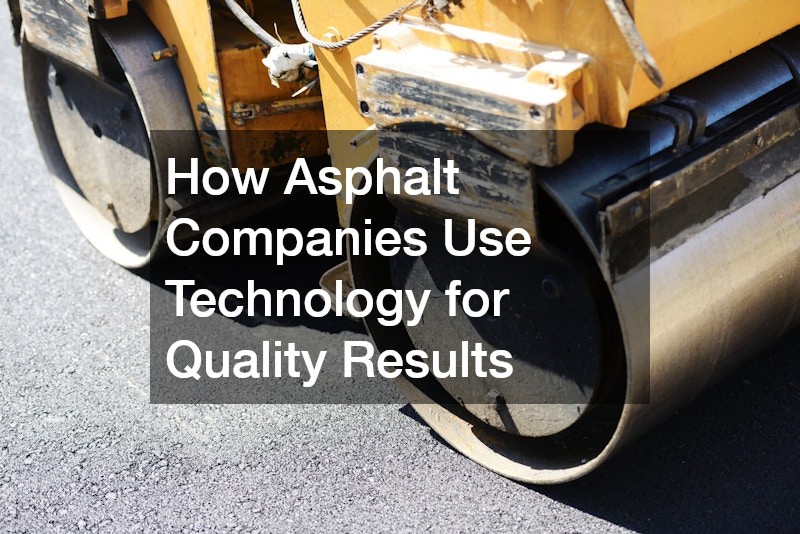
The paving process has seen remarkable advancements through the incorporation of technology that enhances the adhesion, durability, and longevity of paved surfaces. Automated paving machines equipped with sophisticated guidance systems ensure accurate placement and seamless integration of asphalt layers. These technologies help in achieving the ideal thickness and compaction, affecting the overall performance of the pavement.
Moreover, advancements in material science have led to the development of modified asphalt blends that incorporate polymer and rubber additives. These modifications improve the physical properties of the asphalt, allowing for enhanced elasticity and resistance to cracking. Consequently, the longevity and reliability of pavements are substantially increased, leading to reduced maintenance costs and improved safety for road users.
Data analytics has emerged as a pivotal tool in managing asphalt quality, enabling companies to make tech-driven decisions that improve outcomes. Through real-time monitoring during production and paving processes, companies can collect vast amounts of data concerning temperature, mix ratios, and environmental conditions. Analyzing this data helps ensure compliance with regulatory standards and quality benchmarks, thereby mitigating potential risks associated with poor asphalt performance.
The ability to interpret data trends allows asphalt companies to optimize their quality management practices further. For instance, predictive analytics can be employed to foresee potential quality challenges based on historical data, enabling preemptive measures to be taken. By utilizing these insights, companies can maintain high-quality asphalt production standards, reducing the likelihood of costly repairs in the future.
In recent years, the asphalt industry has increasingly prioritized eco-friendly technologies that align with sustainability goals. These technologies focus on minimizing waste, reducing emissions, and promoting the recycling of materials used in asphalt production. One significant innovation is the use of recycled asphalt pavement (RAP), which incorporates reclaimed materials into new asphalt mixes, ultimately decreasing reliance on virgin aggregates and reducing landfill waste.
Companies are also investing in warm mix asphalt technology, which lowers the production temperature and reduces greenhouse gas emissions during the asphalt manufacturing process. This approach not only promotes environmental sustainability but also allows for extended working hours in cooler temperatures, enhancing productivity without compromising quality.
To summarize, the integration of technology in the asphalt industry has drastically transformed production and paving processes, leading to enhanced quality and efficiency. From advanced machinery and data analytics to eco-friendly innovations, asphalt companies are embracing change to meet contemporary demands while adhering to sustainability practices. As technology continues to evolve, its impact on quality management will likely grow, ensuring that future asphalt projects are not only durable but also environmentally conscious.