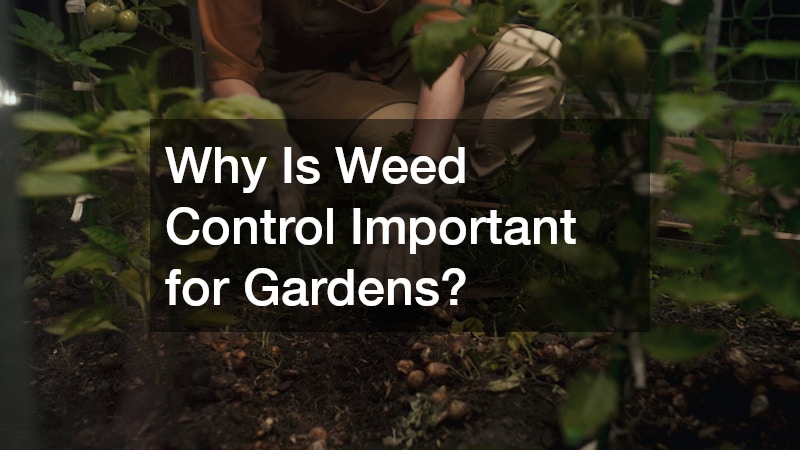
Weed control is a critical aspect of gardening and overall landscape maintenance. Weeds compete with the cultivated plants for essential resources such as nutrients, water, and sunlight, significantly impeding their growth and health. Gardeners often overlook the importance of weed control, thinking they are mere nuisances that can be dealt with later.
Video Source
However, the presence of weeds can lead to detrimental impacts not only on the aesthetic appearance of a garden but also on the productivity and health of the desired plants. In this article, we will explore the reasons why effective weed control is vital for maintaining a thriving garden.
Weeds can have a significant negative effect on the growth of your garden plants. By competing for resources, they can stunt the growth of your more desirable plants by depriving them of essential nutrients and water. This competition can often result in reduced yields, particularly for vegetable gardens or floral displays. Furthermore, certain weeds are aggressive and can quickly dominate a garden space, making it increasingly difficult for crops or ornamental plants to thrive. The differences in growth rates between weeds and cultivated plants necessitate regular monitoring and control measures to ensure the health and productivity of your garden.
Moreover, the presence of weeds can invite pests and diseases that threaten the overall ecosystem of your garden. Many weeds serve as hosts for insects and pathogens that can adversely affect the plants you are trying to nurture. These unwanted invaders can proliferate rapidly, leading to potential infestations that can be difficult and costly to manage if not addressed early. Healthy plant growth and the well-being of the garden ecosystem hinge on defeating these adversaries through effective weed control strategies. As such, understanding the specific weeds in your garden is key to preventing their establishment and protecting your plants.
Effective weed control yields numerous benefits for a garden's overall health and aesthetics. First and foremost, controlling weeds helps ensure that cultivated plants have the resources they need to grow strong and produce abundantly. By reducing competition, gardeners create an optimal environment where desired plants can thrive and reach their full potential. This leads to more bountiful harvests, particularly in vegetable gardens where the quality and quantity of produce are paramount. The resulting impact on the garden's productivity and beauty cannot be overstated, making weed control an essential practice.
Moreover, effective weed management contributes to better disease and pest prevention. As previously mentioned, many weeds harbor pests and pathogens that can spread to your crops. By keeping weed populations in check, gardeners can significantly reduce the likelihood of infestations and outbreaks of diseases. This preventive strategy not only protects the health of the cultivated plants but can also lead to less reliance on chemical pesticides, which is beneficial for the environment. Therefore, weed control serves as a frontline defense in nurturing a healthy garden ecosystem.
There are various strategies to control weeds effectively that garden enthusiasts can implement. Traditional methods include hand-pulling and hoeing, which can be effective for smaller gardens or isolated patches of weeds. This method allows gardeners to target specific weeds without disturbing the surrounding vegetation. For larger gardens, mechanical tools such as garden cultivators or tillers can assist in maintaining a weed-free environment efficiently. Integrated approaches that combine manual weeding with mechanical methods can create a comprehensive weed management system.
Another effective strategy is the use of mulch, which suppresses weed growth while also retaining moisture in the soil. Organic mulches such as wood chips, straw, or shredded leaves not only prevent sunlight from reaching weed seeds but enrich the soil as they decompose. This dual benefit of mulching enhances both weed control and soil fertility, making it an excellent choice for gardeners. Additionally, fabric or plastic landscaping materials can be employed as weed barriers in garden beds. These strategies offer practical solutions for maintaining control over weed populations in a variety of garden settings.
Furthermore, utilizing ground covers can provide an effective long-term strategy for weed control. By planting fast-spreading plants like clover or creeping thyme, gardeners can create a living carpet that competes with weeds. These ground covers can cushion the soil, improving erosion control while significantly limiting the space available for weeds to germinate. However, it's essential to choose appropriate plant species that align with your garden’s climate and conditions. Ultimately, an integrated strategy that combines various methods will enhance your effective weed control measures, promoting a thriving and healthy garden.