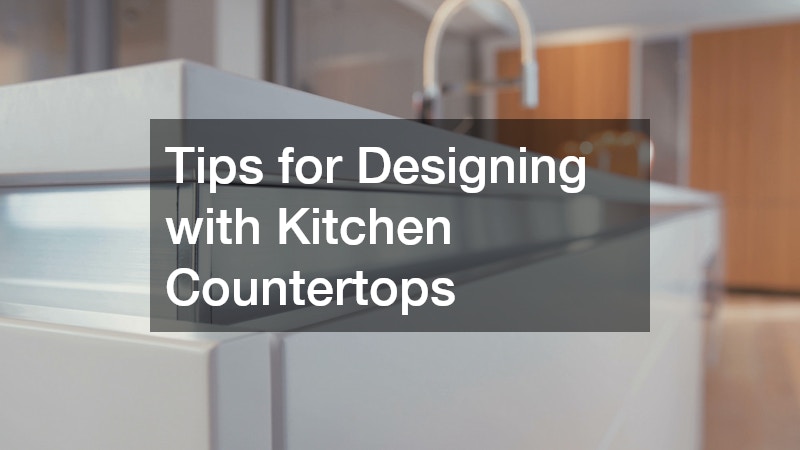
When it comes to designing a kitchen, one of the most important elements to consider is the countertops. Kitchen countertops not only serve a functional purpose but also significantly impact the overall aesthetic of the space. With various materials, colors, and styles available, it can be overwhelming to choose the right option.
Video Source
However, understanding key design principles and personal preferences can help narrow down the choices. This article provides valuable tips for designing with kitchen countertops that will enhance your cooking space.
Choosing the right material for kitchen countertops is essential, as it affects both functionality and style. Popular options include granite, quartz, marble, and butcher block, each offering unique characteristics. For instance, granite is known for its durability and resistance to heat, making it a favorite for busy kitchens. On the other hand, quartz offers a broader range of colors and patterns, which can help integrate the countertops into the overall design. When selecting the material, consider factors such as maintenance, durability, and the visual appeal you want to achieve.
Another consideration is the specific needs of your cooking and lifestyle. If you often prepare meals that require heavy chopping, a durable surface like quartz or granite may be better suited for your space. Alternatively, if you prefer a more rustic or classic look, a butcher block countertop could add warmth and charm to your kitchen. Additionally, keep in mind the thickness of the countertop, as thicker surfaces often exude a more luxurious aesthetic. Ultimately, selecting the right material will contribute significantly to both the functionality and design of your kitchen.
The color and pattern of kitchen countertops play a vital role in the overall design. Choosing a color palette that complements the cabinetry, flooring, and wall colors ensures a cohesive space that feels both organized and inviting. Neutral hues like whites, grays, and beiges are often a safe choice as they easily coordinate with various styles and accent colors. However, don’t shy away from bold, vibrant countertops, especially if you want to make a statement or create a focal point in your kitchen. Mixing patterns, such as a veined marble with solid cabinetry, can inherently add depth and interest to your design.
When considering patterns, take into account the style of your kitchen. For modern kitchens, sleek, minimalistic designs often go well with solid colors or subtle patterns, while farmhouse or rustic styles can benefit from more textured, natural stones. The scale of your countertop pattern is also crucial; larger patterns can overwhelm smaller kitchens, while smaller-scale designs might get lost in a large space. Experiment with sample swatches to visualize how different colors and patterns work together, and consider drawing inspiration from existing elements in your kitchen, such as appliances or decor. The right color and pattern choices will help unify the space and enhance its overall visual appeal.
While aesthetics are crucial in kitchen design, functionality should never be overlooked. Kitchen countertops serve as the primary work surface, so their design must accommodate daily tasks efficiently. This means considering features such as integrated sinks or built-in cutting boards, which can enhance the usability of the surface. Additionally, you may want to evaluate how the material will respond to common kitchen scenarios, such as spills, heat exposure, and knife marks, to ensure it fits your lifestyle. Ultimately, the best kitchen countertop design is one that strikes a balance between beauty and practicality.
Storage solutions can also play a significant role in the functionality of your kitchen countertops. For instance, utilizing cabinets or shelves above the counter can keep essential tools and ingredients easily accessible, maximizing efficiency during meal preparation. Another option is to incorporate drawers or pull-out shelves in the countertop design for a seamless look that hides clutter. In this way, the design can enhance usability while maintaining a clean and organized appearance. Consider the flow and movement in your kitchen as you design your countertops to ensure they complement your cooking routine.
Finally, evaluate how your countertop design harmoniously integrates with technological aspects, such as appliance placements and electrical outlets. Ensuring that outlets are conveniently located can prevent unnecessary disruptions while working in the kitchen. Additionally, consider whether you want kitchen countertops that can accommodate small appliances seamlessly, such as mixers or food processors, which will further enhance usability. The modern kitchen often incorporates technology into design, so keep in mind how your countertops can support this trend effectively. By focusing on functionality alongside aesthetic choices, you can create a kitchen that is both beautiful and remarkably efficient.