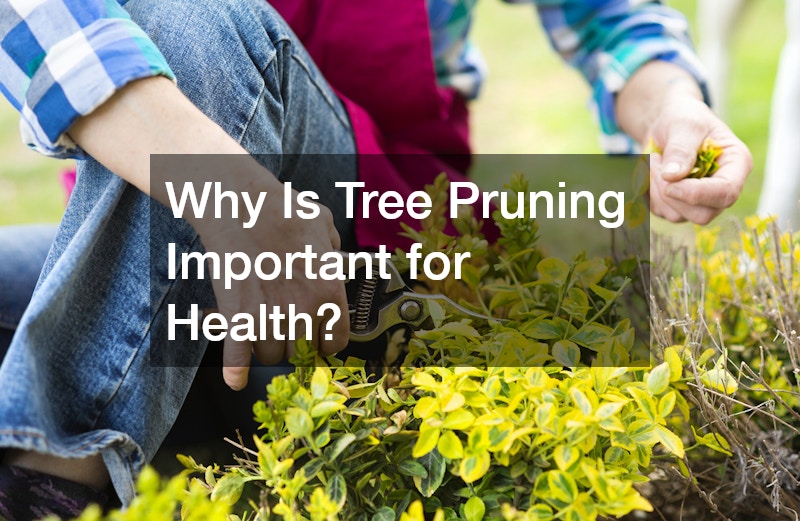
Tree care is essential for maintaining not only the beauty of your landscape but also the overall health of the trees. One vital aspect of tree care is pruning, which can significantly impact a tree's growth and longevity. Pruning helps remove dead or diseased branches, encourages the growth of healthy new ones, and maintains adequate space and light penetration for overall vitality.
Video Source
In essence, regular pruning is much more than just aesthetic trimming; it serves as a proactive measure to enhance the tree's health and safeguard it against various ailments. In this article, we will explore the critical role of tree pruning in health, touching upon its benefits and best practices.
Regular tree pruning has numerous benefits that contribute to the health and longevity of trees. First and foremost, pruning eliminates dead or infected branches that could become a breeding ground for pests and diseases. By cutting these branches away, you not only help the tree maintain its vigor but also protect nearby plants from potential infestations. Moreover, regular pruning encourages the growth of new branches, allowing the tree to form a denser and more robust canopy. This enhanced foliage can improve photosynthesis, ultimately leading to a healthier, more resilient tree.
Another significant advantage of regular pruning is improved airflow and light exposure within the tree structure. By selectively thinning out branches, you allow sunlight to reach inner leaves and stimulate photosynthesis throughout the tree. Increased airflow can also deter mildew and fungal growth, contributing to overall tree health. Furthermore, adequate air circulation reduces the humidity around the tree, lowering the risk of disease. These benefits indicate that regular pruning is a key component of effective tree care.
Effective tree pruning requires knowledge, skill, and the proper tools. Begin by assessing the tree’s overall health and structure to determine which branches require trimming. Look for any dead, diseased, or crossing branches and note how much growth has occurred since the last pruning session. This initial assessment informs you regarding how much to prune without jeopardizing the tree's health. Your approach to pruning should aim for a natural shape, promoting both aesthetic appeal and functionality.
Use sharp and clean tools to ensure smooth cuts, as jagged cuts can leave the tree vulnerable to diseases. When pruning a branch, it’s advisable to cut at a slight angle away from the bud or branch collar. This technique facilitates better healing and reduces the risk of dieback. Moreover, avoid making cuts that remove more than one-third of the tree’s foliage at any one time, as excessive pruning can stress the tree. Remember, good tree care involves taking gradual steps rather than making abrupt and drastic changes.
Timing is another crucial factor for effective pruning. Different tree species have specific periods when they benefit most from pruning, typically during their dormant phase in late winter or early spring. Pruning during this period can prevent shocking the tree and hampering new growth in spring. However, some flowering trees may require pruning just after their blooms die, to ensure rich flowering for the following season. Understanding your tree species and their specific needs will lead to more effective results in tree care practices.
Recognizing when a tree needs pruning is pivotal in maintaining its health. Look for signs such as dead or broken branches, which are primary indicators that action is required. Dead branches can also attract pests like wood-boring beetles, which could spread to other trees and plants in your garden. Moreover, branches that are too close together may restrict airflow and light penetration, hindering overall growth. Regular inspections enable you to catch these issues early and ensure your trees thrive through well-timed interventions.
Another sign that your tree may require pruning is the presence of excessive growth. When branches become overcrowded, they may compete for nutrients and light, ultimately stunting growth. Addressing overcrowding through selective pruning helps maintain a healthy balance within the tree. Trees often exhibit uneven growth, with some branches showing significant advancement while others lag behind. Pruning can help establish a more uniform structure, optimizing the tree's overall health and beauty.
Finally, watch for leaning branches or branches that are too close to structures. Such branches can pose risks of damage and may require immediate attention. An adequately pruned tree maintains its shape and minimizes hazards that could affect your home or nearby people. Regularly evaluating your trees allows you to gain insights into their health and ensures that they remain thriving features of your landscape. Conducting timely pruning is indispensable for effective tree care and health.