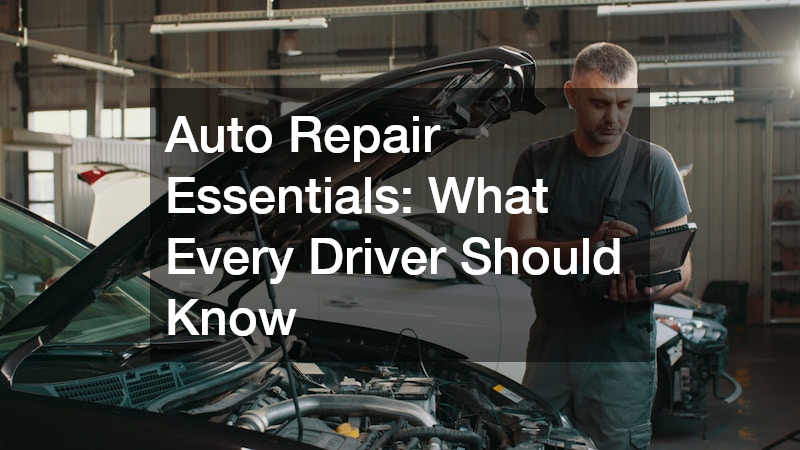
Car maintenance might seem like a daunting task, yet it is an indispensable aspect of vehicle ownership. Being familiar with basic auto repairs not only enhances safety but also improves your car's longevity. Whether you're noticing a rattling sound or pondering over when your vehicle's oil needs changing, understanding the essentials keeps you in control.
Video Source
With roadside emergencies being unpredictable, drivers must equip themselves with foundational repair knowledge. This guide aims to break down the complexities of car maintenance into digestible essentials.
Every vehicle comes with a maintenance schedule outlined by the manufacturer, suggesting the frequency of specific services. Typically, these schedules are measured in miles or months and include services like oil changes, filter replacements, and inspections. Ignoring these guidelines can lead to premature wear and higher repair costs over time. Sticking to the schedule ensures that critical systems, such as the engine and brakes, operate smoothly. Regular maintenance is a proactive approach to prevent significant issues and unexpected breakdowns.
Routine maintenance tasks form the backbone of a reliable vehicle. Among them, oil changes are pivotal as they keep the engine lubricated and prevent overheating. Tire rotations help in even tire wear, thereby maintaining balance and extending tire life. Brake inspections are essential to ensure your safety; worn brakes increase the stopping distance and can be dangerous. Regular checks of fluids such as brake fluid, coolant, and transmission fluid keep the vehicle in optimal condition and prevent breakdowns.
The check engine light is a vital alert that indicates potential issues with your vehicle's systems. Often related to the emissions control system, a loose gas cap is a common yet easily fixed cause. Other causes include problems with the oxygen sensor and spark plug wear, both essential for fuel efficiency and engine performance. Ignoring the light can lead to more severe and costly repairs. Hence, diagnosing the issue promptly is crucial for addressing the underlying problem.
When the check engine light illuminates, it can be easy to panic, but maintaining composure is essential. Safely pull over to assess if there are any immediate and apparent issues. It's helpful to turn off the engine and restart it to see if the light remains on; sometimes, glitches in the system cause false alarms. If the light continues to stay on or flashes, it is advisable to refrain from long journeys until the issue is diagnosed. Investing in an OBD-II reader can help decode the light quickly, providing valuable insights before visiting a mechanic.
Determining when to seek professional help involves assessing the severity and persistence of the issue. Persistent or flashing check engine lights usually indicate more serious problems that require a mechanic's expertise. While some drivers might feel confident troubleshooting minor issues themselves, complex problems involve specialized knowledge and diagnostic tools. Delaying expert intervention can lead to exacerbated issues and expensive repairs. Trusting a qualified professional ensures the vehicle receives proper care and you remain secure on the road.
Preparation is key to safely handling a flat tire situation without stress or injury. Ensuring a spare tire, jack, and lug wrench are in your vehicle is crucial for performing a tire change. Many drivers neglect to check the condition of their spare tire, which should be properly inflated and regularly inspected. Including reflective gear or warning triangles can increase visibility during a roadside tire change, especially at night or in adverse weather conditions. Being prepared reduces the risk of unforeseen complications and promotes swift action.
Knowing when to call for roadside assistance instead of changing a tire yourself is vital for safety. Complicated scenarios, like being on a busy highway or in adverse weather, recommend waiting for professional help. If the spare tire is missing or not properly inflated, or if you're uncomfortable or lack experience, contacting assistance is wise. Roadside assistance can also address additional unexpected issues, such as detecting other mechanical problems.
Grasping the essentials of auto repair empowers drivers to face road challenges confidently and assures vehicle longevity. By adhering to maintenance schedules, recognizing warning signs, and understanding emergency protocols, drivers can avoid costly repairs and maintain safety. This knowledge paves the way for a smoother, stress-free driving experience. Embracing a proactive approach to car maintenance helps pre-empt issues, enhancing the longevity and reliability of your vehicle. Equipping oneself with basic repair skills and knowledge is an investment not just into the car, but into your peace of mind.