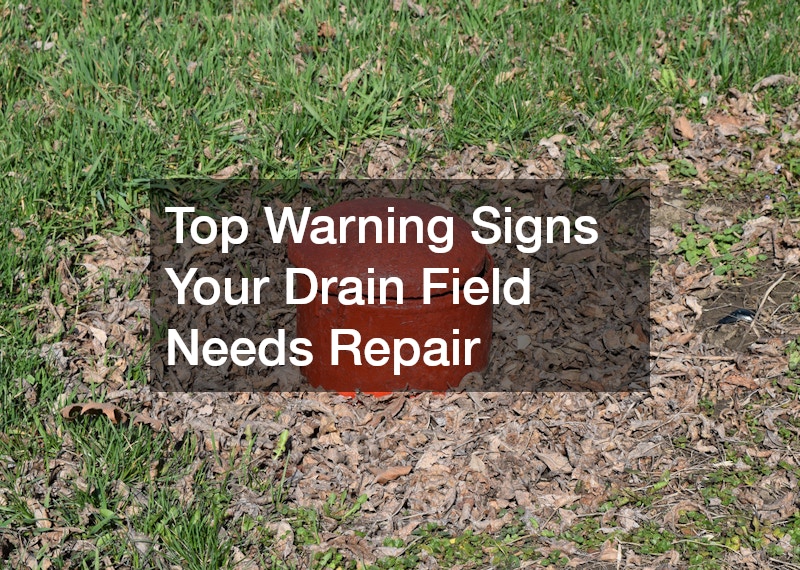
Your septic system works quietly behind the scenes, managing wastewater and protecting your home from plumbing disasters. One of the most critical components of that system is the drain field, which safely disperses treated wastewater into the soil. When it’s functioning properly, you rarely notice it. But when problems develop, the signs can escalate quickly and cause serious damage if ignored.
Drain field issues are often mistaken for simple plumbing clogs or temporary yard problems. Unfortunately, these systems don’t fix themselves, and delays can lead to sewage backups, property damage, and costly replacements.
Understanding the early warning signs allows homeowners to take action before a minor issue becomes a major failure. Below are the most common indicators that your drain field may need professional attention.
Slow Drains and Frequent Plumbing Backups
One of the earliest signs of drain field trouble is slow drainage throughout the home. If sinks, tubs, and toilets are draining sluggishly despite being free of clogs, the problem may lie beyond your indoor plumbing. A failing drain field can no longer absorb wastewater efficiently, causing it to back up into the system.
You may also notice frequent toilet backups or gurgling sounds when water is used elsewhere in the house. These symptoms often indicate that wastewater has nowhere to go, forcing air and water back through the pipes. While a single slow drain can be a localized issue, widespread drainage problems are a red flag that shouldn’t be ignored.
If plunging or snaking offers only temporary relief, it’s time to look deeper. Continued use of the system under these conditions can worsen the issue and increase pressure on the drain field, accelerating its failure.
Soggy Soil, Standing Water, or Lush Grass
Your drain field is designed to release treated wastewater evenly into the soil. When it becomes overloaded or damaged, that water can rise to the surface. One of the most visible warning signs is persistently soggy soil or standing water in the area where the drain field is located, especially during dry weather.
Another common indicator is unusually lush, green grass over the drain field compared to the rest of your yard. While this might look appealing at first, it often means that excess moisture and nutrients are surfacing due to improper absorption. This imbalance can weaken soil structure and reduce the drain field’s ability to function properly.
These surface-level signs suggest that wastewater is no longer being filtered underground as intended. Addressing the issue early can prevent contamination of nearby water sources and reduce the risk of system-wide failure that would require extensive drain field repair.
Foul Odors and Sewage Smells Outdoors
Unpleasant odors are one of the most unmistakable signs of drain field problems. If you notice persistent sewage smells in your yard or near the drain field area, likely that the wastewater is not being adequately treated or absorbed. These odors can intensify after heavy water usage or rainfall, further indicating system stress.
Sewage smells may also be noticeable near plumbing fixtures inside the home. This can occur when gases escape due to blockages or oversaturation in the drain field. Beyond being unpleasant, these odors can signal potential health risks caused by exposure to untreated wastewater.
Your drain field plays a vital role in keeping your septic system running safely and efficiently by allowing wastewater to disperse into the soil in a controlled and environmentally responsible way. When this process is disrupted, the entire septic system can struggle to function properly, leading to noticeable and often disruptive problems inside and outside your home. Slow drains, soggy yard conditions, and foul odors are all clear indicators that something isn’t working as it should, and these symptoms typically point to underlying issues that require professional attention rather than quick fixes.
Although these warning signs may begin as minor inconveniences, they rarely resolve on their own. In fact, continued use of a compromised drain field places added stress on the system, causing problems to compound over time. What starts as slow drainage can escalate into sewage backups, contaminated soil, and costly repairs if left unaddressed.
Paying attention to these warning signs can save you from unexpected repairs and protect both your home and the surrounding environment. If you suspect trouble, seeking professional evaluation early can extend the life of your septic system and help you avoid major disruptions. When handled promptly and correctly, many drain field issues can be managed before they escalate into costly emergencies.