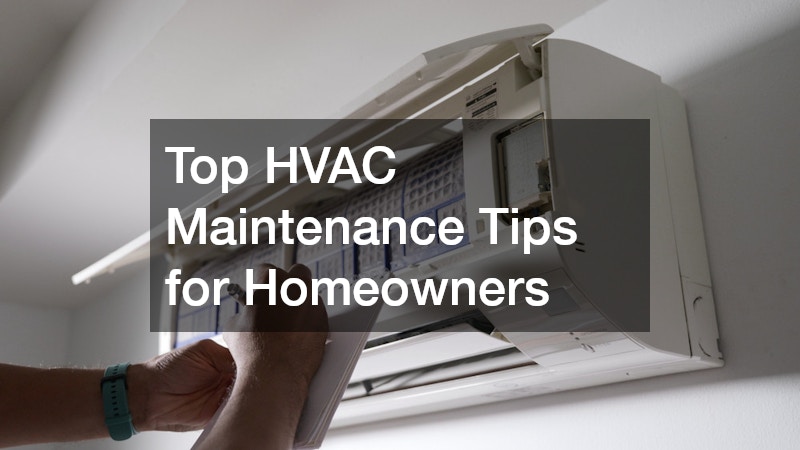
Maintaining a comfortable and energy-efficient home starts with a well-functioning HVAC system. Heating, ventilation, and air conditioning (HVAC) units are essential for regulating indoor temperature, humidity, and overall air quality, but without proper care, they can lose efficiency, break down unexpectedly, and lead to higher energy costs. Regular HVAC maintenance helps homeowners avoid costly repairs, extend the lifespan of their system, reduce environmental impact, and ensure consistent comfort year-round.
Video Source
Professional inspections and routine maintenance are key to keeping your HVAC system running smoothly. These inspections typically include checking for leaks, cleaning critical components, testing system performance, and ensuring refrigerant levels are correct. Following this schedule helps detect issues before they escalate into major problems.
Routine HVAC maintenance offers multiple benefits beyond preventing sudden breakdowns. Well-maintained systems operate more efficiently, reducing energy consumption and lowering utility bills. Regular upkeep also extends the life of equipment, delays the need for replacement, and improves indoor air quality by ensuring filters, coils, and ducts are clean. Ultimately, consistent maintenance translates into more reliable performance and long-term savings for homeowners.
Between professional visits, homeowners can perform simple tasks to keep their HVAC systems in top shape. Replacing or cleaning air filters monthly during heavy use prevents dust buildup that restricts airflow. Clearing debris from outdoor units, keeping vents unobstructed, and checking for visible leaks or unusual moisture can also help maintain efficiency. While these tasks are basic, they significantly reduce wear and tear and support optimal system performance.
Strange sounds from your HVAC system often signal underlying problems that should not be ignored. A squealing noise may indicate a worn-out belt, while rattling could point to loose components or debris trapped in the unit. Hissing or bubbling sounds in cooling systems often signal refrigerant leaks or other mechanical issues. Noticing these warning signs early allows homeowners to address problems promptly before they escalate into costly repairs or system downtime.
Changes in airflow or uneven temperatures throughout the home are also common indicators of HVAC problems that can affect overall comfort. Weak airflow can result from clogged filters, blocked ducts, or a failing blower motor. Similarly, rooms that are noticeably hotter or colder than others may indicate issues with the thermostat, ductwork, or system balance. Carefully observing these variations helps homeowners pinpoint problems that can reduce both comfort and long-term system efficiency.
Sudden spikes in energy bills, especially without increased usage, often reflect underlying HVAC inefficiency. Dirty components, aging equipment, or low refrigerant levels can force the system to work harder, consuming more energy to maintain desired temperatures. Consistently monitoring energy consumption alongside system performance allows homeowners to detect potential issues early, optimize efficiency, and prevent escalating costs or premature equipment failure.
Air filters are the first line of defense for your HVAC system. Over time, dust, pollen, and other particles clog filters, restricting airflow and forcing your system to work harder. Replacing or cleaning filters often, depending on usage and filter type, improves efficiency, protects internal components, and contributes to better indoor air quality.
Smart thermostats offer homeowners an effective way to optimize HVAC performance while reducing energy consumption. These devices can automatically adjust temperature settings based on daily routines, occupancy patterns, or even local weather conditions. Programming your thermostat for energy-saving modes when no one is home can significantly lower heating and cooling costs without sacrificing comfort.
Even the most advanced HVAC system can struggle in a poorly insulated home. Proper insulation, weather-stripping, and sealing around windows, doors, and ductwork minimize heat loss in winter and heat gain in summer. By reducing the workload on your system, effective insulation not only enhances efficiency but also maintains a more stable indoor environment.
Proactive HVAC maintenance is essential for maintaining home comfort, improving energy efficiency, and avoiding costly repairs. Regular professional inspections, simple DIY upkeep, and attention to warning signs ensure your system runs at peak performance. Combined with practices like changing air filters, using smart thermostats, and improving home insulation, these strategies empower homeowners to enjoy reliable comfort and long-term savings. A little consistent effort goes a long way in keeping your HVAC system—and your home—functioning optimally year-round.