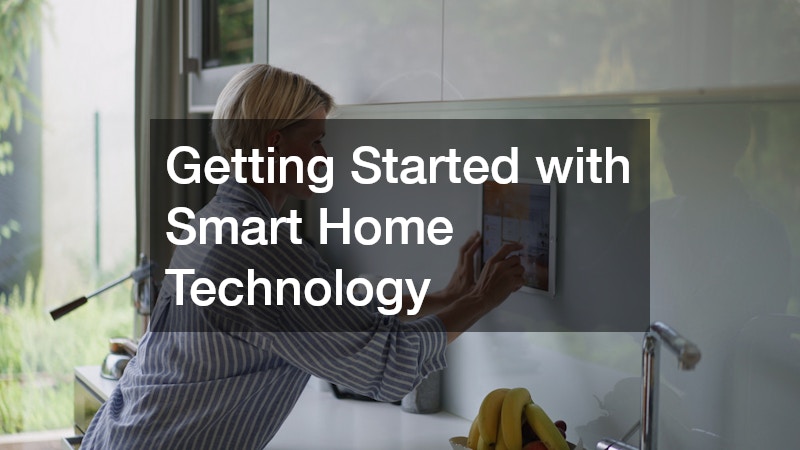
Smart home automation is transforming the way people interact with their homes, offering unprecedented convenience, security, and efficiency. By connecting everyday devices to a centralized network, homeowners can control lighting, climate, appliances, and security systems from a single interface, often remotely via a smartphone or voice assistant. As technology becomes more affordable and accessible, smart home automation is moving from a luxury feature to a practical solution for modern living.
Video Source
Whether you are a beginner or looking to expand your current system, understanding the fundamentals of smart home technology is key to making informed choices and maximizing its benefits.
At its core, smart home technology integrates devices and systems through the internet, allowing them to communicate and respond to user commands. Common components include smart lighting, thermostats, security cameras, door locks, appliances, and voice-activated assistants. Each device is designed to enhance convenience and efficiency, either through automation, remote control, or adaptive learning. Smart home hubs serve as the central control point, enabling seamless management of all connected devices and simplifying interactions.
The advantages of smart home automation are numerous. Convenience is one of the most apparent benefits, allowing users to manage multiple devices from a single platform without needing to move physically throughout the home. Security is also significantly enhanced, with smart cameras, doorbells, and locks providing real-time alerts and remote monitoring. Additionally, smart devices contribute to energy efficiency by regulating lighting, heating, and cooling systems according to usage patterns, ultimately reducing utility bills. Beyond these tangible benefits, smart home automation offers a level of customization that can enhance comfort and lifestyle, from setting mood lighting to automating daily routines.
Despite its advantages, smart home technology does come with potential drawbacks. Initial setup costs can be high, particularly for advanced systems or comprehensive automation solutions. Compatibility issues may arise when integrating devices from different manufacturers, and not all systems communicate seamlessly. Security and privacy are also important considerations, as connected devices can be vulnerable to hacking or data breaches if not properly secured. Consumers should weigh these factors carefully and implement protective measures, such as strong passwords, firmware updates, and secure Wi-Fi networks.
Before investing in smart home automation, it is essential to evaluate your household’s specific needs. Consider which functions—such as lighting, climate control, security, or entertainment—are most important to you. Identifying priorities helps narrow down options and ensures that you only invest in devices that will be used effectively, avoiding unnecessary complexity or expense. Homeowners should also consider their comfort level with technology and the level of automation desired, from simple remote control to fully integrated, automated routines.
Smart home hubs act as the central command center, connecting and managing all devices. Popular options include Amazon Alexa, Google Home, Apple HomeKit, and Samsung SmartThings. Each hub has its own ecosystem, compatible devices, and user interface, and understanding these differences is crucial when planning your system. Evaluating features, device compatibility, app functionality, and voice control capabilities helps ensure that the chosen hub aligns with your preferences and lifestyle.
Device compatibility is a critical factor in building a functional smart home. Not all devices work seamlessly together, and mismatched components can result in limited functionality or operational issues. Choosing devices that integrate easily with your chosen hub allows for synchronized automation and consistent performance. Checking for compatibility before purchase saves time and reduces frustration, ensuring that your smart home system operates efficiently from the start.
Setting up a smart home system begins with selecting the central hub and installing devices according to the manufacturer's instructions. Placement is important for optimal connectivity and performance, particularly for security cameras, sensors, and smart speakers. Some devices may require professional installation, especially complex security or HVAC integrations, while others are designed for simple DIY setup. Taking the time to plan device locations and wiring helps prevent issues later and ensures a cohesive system.
Most smart home devices rely on a stable Wi-Fi connection to function effectively. Connecting each device to your home network and configuring it through the hub’s app is a critical step in setup. Ensuring that your Wi-Fi signal is strong throughout your home prevents connectivity issues and improves response times. Using a dedicated network or a Wi-Fi extender can help maintain consistent performance, particularly in larger homes or those with multiple floors.
Common challenges during setup include connectivity problems, devices not appearing in the hub interface, or unresponsive controls. Restarting the device, checking firmware updates, and verifying network settings often resolve these issues. Many manufacturers provide troubleshooting guides or customer support to address more complex problems. By staying patient and methodical during installation, most issues can be quickly resolved, allowing your smart home system to operate smoothly.
Smart home automation offers an accessible pathway to convenience, security, and energy efficiency, transforming the way we live and interact with our homes. Understanding the basics, benefits, and potential challenges of smart home devices is essential for creating a system that meets your needs. Careful selection of compatible devices, evaluation of smart home hubs, and thoughtful installation practices ensure a reliable and enjoyable experience. Whether you are installing your first smart device or expanding an existing network, embracing smart home automation allows you to create a more connected, efficient, and comfortable living environment.