Learning to drive is a significant milestone requiring mastery of skills and knowledge. Avoiding common mistakes during a driving course is essential to ensure safety and steady progress. Many students underestimate how small errors can compound, affecting confidence, performance, and long-term driving habits. Understanding potential pitfalls early allows learners to focus their practice efficiently and make the most of their time behind the wheel. This article highlights frequent errors students make and strategies to overcome them, helping learners become confident and competent drivers.
Video Source
Overcoming Fear of Tight Spaces
Maneuvering a vehicle into a confined space is challenging for many students due to a lack of confidence or anxiety. Parallel parking, often required in urban areas, magnifies these fears. Techniques like visualization, breathing exercises, and starting in low-pressure environments can ease stress. Many instructors recommend step-by-step checklists to break the process into manageable actions.
Simulation tools and virtual reality offer controlled practice, allowing students to navigate tight spaces safely. Positive feedback from instructors validates progress, while peer discussions reveal alternative strategies. Regular reinforcement and celebrating small victories gradually transform anxiety into confidence, turning challenges into learning opportunities.
Lack of Practice
Parallel parking requires consistent practice to develop muscle memory. Scheduling regular sessions in varied environments, such as uphill or sloped spaces, improves adaptability. Practice groups and tracking apps provide support and motivation. Reflection on both successes and mistakes enhances understanding of vehicle dynamics, promoting smarter decision-making during actual maneuvers.
Developing Spatial Awareness
Spatial awareness—the ability to gauge a vehicle’s position relative to its surroundings—is critical for parking. Students should practice estimating distances, using visual aids, mirrors, and camera systems to refine their perception. Games and exercises improving spatial reasoning also contribute. Experience and repeated practice foster intuitive responses, ensuring safer and more confident driving.
Test Anxiety
Test anxiety can hinder performance, causing simple mistakes under pressure. Relaxation techniques, visualization, and rehearsal under exam conditions reduce nervousness. Practicing with friends, family, or instructors familiar with the test environment helps students acclimate. Understanding that anxiety is normal and balancing preparation with rest improves resilience and focus.
Typical Test Errors
Mistakes often stem from unfamiliarity with the test structure or lack of preparation. Common oversights include failing to signal or check mirrors. Regular simulation of the driving test, maintaining a journal of errors, and targeted practice of weak areas prevent such mistakes. Exposure to different driving conditions builds adaptability and ensures readiness for real-world challenges.
Interpreting Instructor Feedback
Feedback is a vital learning tool, yet students sometimes misinterpret or ignore it. Open dialogue and documentation of guidance help integrate corrections into practice. Constructive criticism, when approached positively, fosters growth and skill development. Multiple perspectives from different instructors can offer deeper insight, ensuring improvement in areas that matter most for test success.
The Importance of Study
Mastery of road signs and traffic rules is essential for both practical and theoretical assessments. Consistent study using handbooks, online guides, and quizzes helps retention. Mock tests identify knowledge gaps and reduce exam-day anxiety. Structured revision ensures students confidently recognize and apply rules in real-world scenarios.
Interactive Learning
Technology enhances understanding through gamified apps, virtual simulations, and online tutorials. Adaptive systems tailor exercises to individual needs, providing immediate feedback. Interactive tools, combined with discussion forums, create an engaging, supportive environment that reinforces knowledge. These methods complement traditional study and improve retention of signs and rules.
Applying Knowledge in Practice
Theoretical knowledge must be reinforced through real-world application. Observing and interpreting road signs during drives, focusing on rule adherence, and practicing in varied environments build decision-making skills. Feedback from instructors during practical sessions bridges theory and reality, while reflective journaling promotes self-awareness and growth. Over time, students internalize rules, fostering safe, confident driving habits.
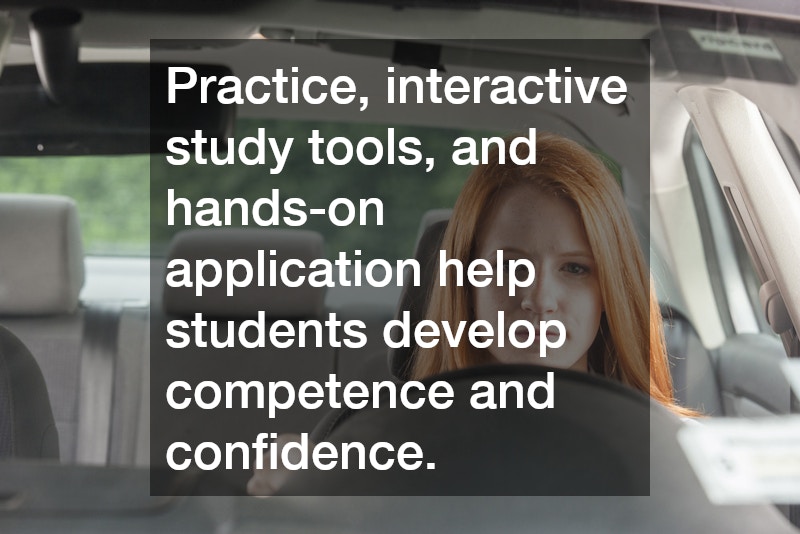
Avoiding mistakes such as struggling with parallel parking, succumbing to test anxiety, or misapplying feedback is critical in a driving course. Consistent practice, interactive study tools, and hands-on application help students develop competence and confidence. Emphasizing continuous learning ensures learners emerge as safe, adaptable drivers capable of handling diverse real-world driving situations. By recognizing common pitfalls and addressing them proactively, students maximize the value of their driving course and set the foundation for lifelong driving proficiency.