Timely roof replacements are essential for maintaining a home’s structural integrity, safety, and overall value. While regular inspections help prevent unexpected damage, recognizing when a complete roof replacement is necessary can be challenging. Homeowners should be aware of key indicators that suggest it’s time to schedule local roof replacements to avoid costly repairs and larger problems down the road.
This guide explores critical factors that dictate when a roof replacement is needed, including roof age, visible damage, and environmental impacts. By understanding these signs and acting proactively, homeowners can save on long-term repair costs and maintain a safe, resilient home.
Video Source
Seasonal weather, budget considerations, and material availability also play a role in planning the timing of replacements.
Roof age is a major factor in determining when a replacement is needed. Asphalt shingles generally last 20-25 years, while metal or slate roofs can last up to 50 years. As roofs age, they become more susceptible to wear, reducing their effectiveness at protecting the home. Older roofs can also compromise energy efficiency, increasing heating and cooling costs.
Proactively planning for local roof replacements as the roof nears the end of its expected lifespan prevents emergency repairs and ensures compliance with current building codes. Consulting with roofing professionals can provide guidance on the latest materials and installation techniques to enhance both durability and aesthetic appeal.
Visible damage such as curling, missing shingles, or sagging areas indicates the roof may need full replacement. Shingle granules in gutters signal asphalt shingles are deteriorating and losing protection against UV rays and weather. Addressing visible damage early prevents more extensive repairs later.
Regular inspections allow homeowners to detect structural issues before they worsen. Roofing professionals can assess damage severity and recommend timely local roof replacements, protecting the home from rot, mold, and long-term structural problems.
Ceiling or wall water stains often reveal leaks that require attention. Persistent leaks can compromise attic structures, promote mold growth, and weaken the roof system over time. Even minor water intrusion should not be ignored, as it can lead to full roof failure.
Professional inspections, sometimes using infrared technology, can detect hidden leaks. Addressing water damage promptly and opting for quality materials during replacement ensures long-term protection and minimizes future maintenance costs.
Spring and early summer are ideal for roof replacements due to moderate temperatures that allow shingles to adhere properly. Cooler weather reduces risks like cracking or distortion, while off-season scheduling may offer cost savings due to lower contractor demand. However, precipitation and temperature extremes can disrupt timelines, so planning should account for seasonal risks.
Harsh climates with heavy rain, snow, or wind accelerate roof wear. Choosing materials suited to the local environment—such as metal for wind resistance—ensures longevity. Consulting local experts helps homeowners select durable solutions that perform well in their specific climate, reducing the need for frequent repairs.
Homes in hurricane or tornado-prone areas benefit from reinforced roofing systems. Preemptive inspections, repairs, and material upgrades minimize risks during extreme weather, balancing short-term costs with long-term safety. Proactive planning ensures roofs remain reliable under challenging conditions.
Roof replacements are costly, and lack of available funds can delay projects. Creating a savings plan and exploring financing options can help homeowners schedule local roof replacements on time. Obtaining multiple contractor quotes and factoring in long-term savings like energy efficiency ensures well-informed financial decisions.
High demand for skilled roofing contractors can cause scheduling delays, especially during peak seasons. Early booking and clear communication with trusted professionals help secure timely service. Engaging multiple contractors and leveraging recommendations can improve access to qualified installers.
Fluctuating supply levels may delay roofing projects or increase costs. Ordering materials in advance and establishing reliable supplier relationships helps ensure timely completion. Discussing versatile material options with contractors can mitigate risks from shortages while meeting desired quality standards.
Recognizing the signs that indicate the need for local roof replacements requires vigilance and informed decision-making. Roof age, visible damage, and leaks are critical indicators, while weather conditions influence the optimal timing for replacement. Budget planning, contractor availability, and material procurement are essential for minimizing delays and ensuring quality results.
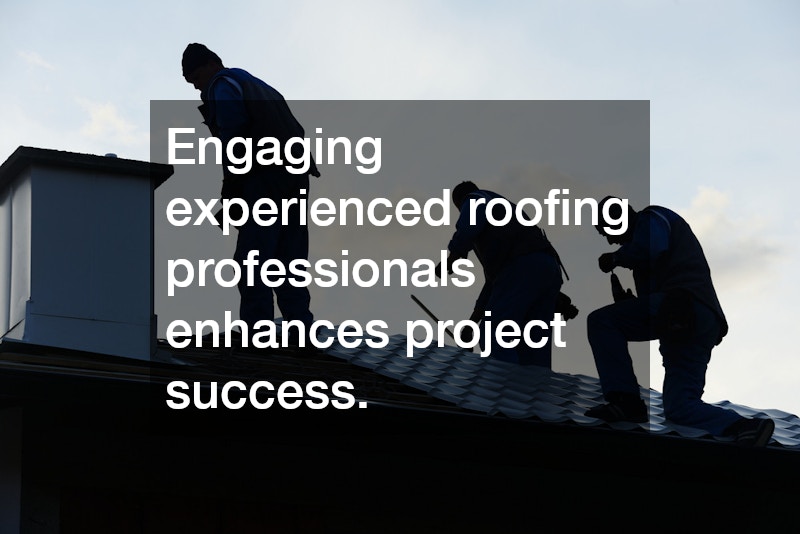
By staying proactive and prepared, homeowners can maintain a safe, durable, and energy-efficient roof, avoiding costly repairs and future disruptions. Engaging experienced roofing professionals enhances project success and provides confidence in the long-term performance of the home. Local roof replacements scheduled at the right time protect both property value and household safety.