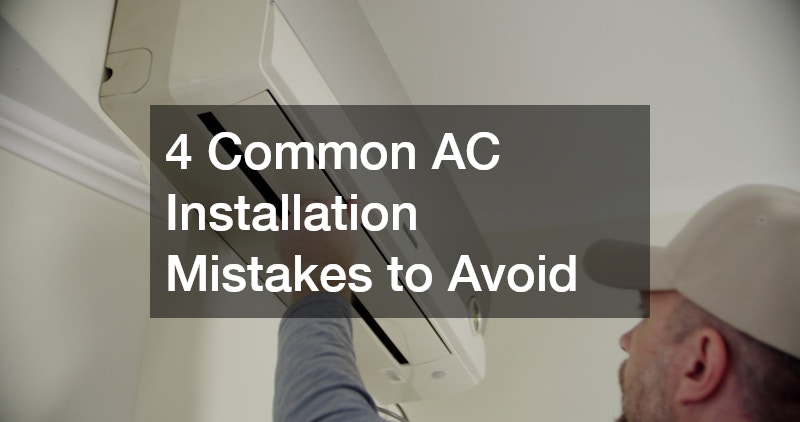
Installing a new air conditioning system is a significant investment in both comfort and energy efficiency. A well-installed system can keep your home cool during the hottest months, reduce energy bills, and prolong the lifespan of your unit. However, even a high-quality AC can underperform if installed incorrectly. Many homeowners unintentionally make mistakes during the AC installation process, leading to poor performance, frequent repairs, and unnecessary expenses. Understanding common pitfalls can help ensure your system operates efficiently from day one.
Video Source
One of the most critical errors homeowners make is selecting an air conditioner that is either too large or too small for their space. An oversized unit may cool the home quickly, but it will cycle on and off too frequently, a phenomenon known as short cycling. This reduces efficiency, increases wear and tear, and can lead to inconsistent indoor temperatures. Conversely, an undersized system struggles to reach the desired temperature, running continuously and consuming more energy in the process.
Proper sizing requires a careful assessment of your home’s square footage, insulation, window placement, and even local climate conditions. Professional contractors use a calculation method known as Manual J load calculation, which accounts for heat gain and loss throughout the house. Skipping this step or relying solely on general recommendations can result in a system that fails to meet your cooling needs. Ensuring your air conditioner is correctly sized from the start avoids unnecessary strain on the unit and keeps your energy bills under control.
The location of your air conditioning components—both the indoor and outdoor units—plays a crucial role in system efficiency. Placing the indoor unit in a poorly ventilated area, near heat sources, or in direct sunlight can impede airflow and reduce cooling performance. Similarly, installing the outdoor condenser in a shaded, well-ventilated spot allows for optimal heat exchange and reduces the risk of overheating.
Improper placement can also lead to practical problems such as water leakage or restricted access for maintenance. For example, positioning the condenser too close to walls or plants can block airflow, forcing the system to work harder. Likewise, placing vents in obstructed areas inside the home prevents cold air from circulating effectively, leading to uneven cooling. A thoughtful layout not only enhances comfort but also extends the life of your system by preventing unnecessary strain.
Even a perfectly sized and positioned air conditioner will underperform if the electrical connections or ductwork are not correctly installed. Faulty wiring can cause safety hazards, tripped breakers, or inefficient operation, while improperly sealed ducts lead to energy loss and uneven cooling. Leaky or poorly insulated ducts force the system to run longer to achieve the desired temperature, driving up utility costs and accelerating component wear.
AC installation should include a thorough inspection of your electrical panel to confirm it can handle the new unit’s load. Circuit breakers, grounding, and wiring gauge must meet the manufacturer’s specifications. In addition, ductwork should be sealed at all joints, insulated where necessary, and designed to balance airflow throughout the home. Neglecting these details often results in expensive service calls or even premature replacement of the system.
Many homeowners attempt to save money by handling parts of the installation themselves. While DIY projects can be rewarding, air conditioning systems are complex, and errors can have costly consequences. Mistakes in refrigerant handling, component alignment, or electrical connections are common in amateur installations and can void warranties. A licensed HVAC professional has the expertise, tools, and experience to complete the job safely and efficiently.
Investing in professional installation is not just about convenience; it ensures that the system operates at peak efficiency and complies with local building codes. Contractors can also identify potential issues during the installation process that an untrained eye might miss, preventing costly repairs down the road. While the upfront cost may be higher than a DIY approach, the long-term benefits—including energy savings, reliable performance, and peace of mind—far outweigh the initial expense.
AC installation mistakes are more common than many homeowners realize, yet they are largely preventable with careful planning and professional guidance. Choosing the right size unit, positioning components correctly, and ensuring proper electrical and ductwork setup are essential steps for a successful installation. Avoiding shortcuts and relying on trained professionals helps safeguard your investment, improve system efficiency, and maintain comfortable indoor conditions year-round.