Timber harvesting is a critical part of forestry management, supplying raw materials for construction, paper, and energy sectors. Understanding the process is essential for sustaining forests while meeting growing demand for wood products. This guide covers the timing, equipment selection, and sustainable practices needed for responsible and efficient timber harvesting. By understanding these fundamentals, stakeholders can make informed decisions that balance economic returns with ecological responsibility.
The field has evolved significantly, blending traditional knowledge with modern technology. Advances in machinery, data-driven planning, and environmental awareness have improved efficiency, reduced costs, and promoted sustainable forestry.
Video Source
By following best practices and leveraging innovations, stakeholders can balance profitability with ecological stewardship.
Seasonal factors strongly influence timber quality and operational efficiency. Certain tree species are more suitable for harvesting during specific seasons due to changes in moisture content and stability. Cold winter months often provide ideal conditions in temperate regions, as frozen ground supports heavy machinery without damaging the forest floor. Conversely, wet seasons can increase soil erosion and ecosystem disturbances, requiring careful planning. Timing harvests appropriately also helps protect young saplings and ensures that the remaining forest maintains healthy regeneration cycles.
Understanding regional climate patterns and monitoring forecasts allows foresters to optimize timing, balancing productivity with environmental responsibility. Effective planning ensures sustainable harvesting while maintaining timber value and forest health.
A thorough environmental impact assessment is essential before harvesting. Evaluating effects on biodiversity, soil, and water quality helps managers design operations that protect sensitive ecosystems. Buffer zones and careful site management minimize habitat disruption, ensuring flora and fauna continue to thrive. Incorporating mitigation strategies based on the assessment can prevent long-term ecological damage and maintain forest resilience for future harvests.
Collaboration with ecologists and environmental experts enables adaptive management strategies. By integrating science with practical experience, foresters can maintain forest productivity while conserving ecological integrity.
Economic considerations include extraction, transportation, and market fluctuations. Choosing efficient equipment and training personnel on best practices reduces costs and improves output. Staying informed about global timber demand, trade policies, and alternative materials helps stakeholders align operations with market opportunities, ensuring long-term financial stability. Proper economic planning also allows foresters to invest in sustainable practices that reduce environmental impact while maximizing return on investment.
Selecting appropriate machinery maximizes efficiency and safety. Harvesters, forwarders, skidders, and feller bunchers serve different needs. Harvesters cut and process trees on-site, while forwarders transport logs with minimal forest impact. Skidders and feller bunchers provide flexibility for small-scale or difficult terrains. Choosing equipment based on both terrain and operational goals ensures that timber harvesting is productive without compromising the surrounding ecosystem.
Regular maintenance extends equipment lifespan and prevents breakdowns. Scheduled inspections, timely repairs, and adherence to safety protocols are essential. Protective gear, clear communication, and risk assessments reduce accidents. Predictive diagnostics and technology-driven monitoring allow operators to anticipate issues, ensuring efficient and safe operations. Prioritizing maintenance also builds confidence among crews and contributes to a safer, more productive workplace.
A cost-benefit analysis compares equipment and operational costs against expected gains. Considering both financial and environmental factors ensures sustainable, profitable operations. Data-driven decision-making helps identify opportunities to reduce waste, conserve resources, and improve log quality. Evaluating long-term costs alongside short-term gains supports decisions that benefit both the business and the environment.
Sustainable practices, such as selective and reduced-impact logging, protect ecosystems while maintaining productivity. Retaining buffer zones, minimizing road construction, and limiting forest floor disturbance support biodiversity and water quality. These strategies promote long-term forest resilience and regeneration. Following these principles also strengthens public trust in forestry operations and supports certification initiatives that demonstrate responsible management.
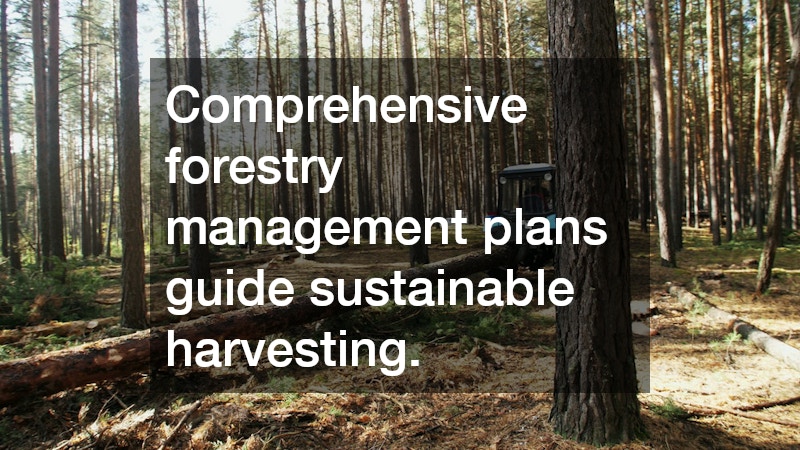
Comprehensive forestry management plans guide sustainable harvesting. They incorporate scientific research, stakeholder engagement, and adaptive monitoring to balance timber extraction with conservation goals. Including indigenous and local knowledge strengthens relevance and fosters holistic forest stewardship. Regularly updating these plans allows foresters to respond to new environmental data, technological advancements, and market changes, ensuring operations remain effective and sustainable.
Compliance with laws and ethical practices ensures accountability and protects resources. Certifications like the Forest Stewardship Council (FSC) demonstrate commitment to responsible management, support market access, and build consumer trust. Ethical operations also emphasize fair labor practices and community engagement, reinforcing the sector’s credibility.
Understanding timber harvesting processes equips stakeholders to manage forests responsibly, balancing efficiency, profitability, and environmental stewardship. Strategic planning, proper equipment, and sustainable practices ensure long-term forest health and economic viability. By adopting informed practices, foresters can maximize timber value while protecting natural resources.