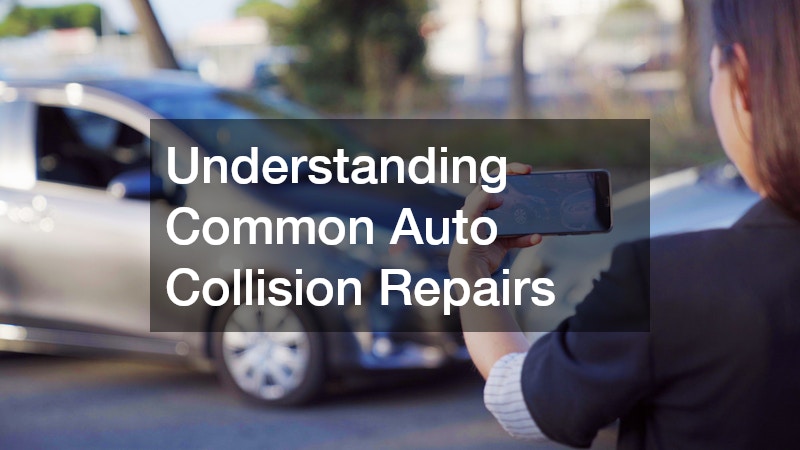
Car accidents rarely happen at a convenient time. Even a small collision can leave your vehicle with visible damage and hidden problems that are not immediately obvious. Understanding what goes into common repairs can make the situation feel less stressful. When drivers know how damage is evaluated and corrected, they can approach the process with more confidence and realistic expectations.
Technicians carefully examine the exterior for dents, scratches, cracked bumpers, and broken lights. However, the visible damage is only part of the story.
Video Source
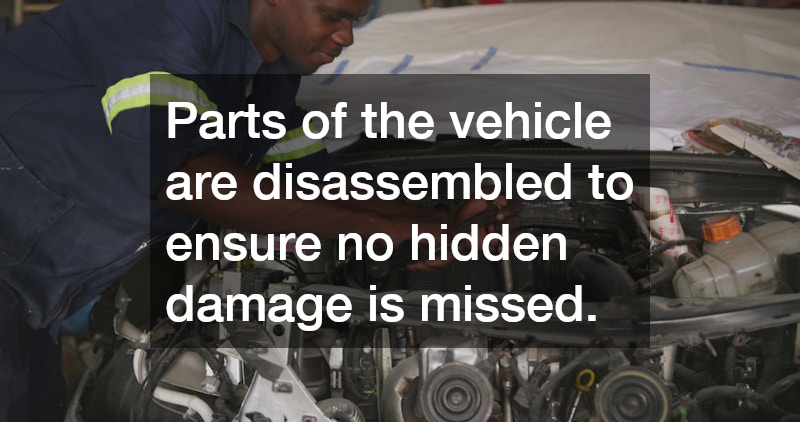
Modern vehicles are built with complex structural components and advanced safety systems. Because of this, a proper evaluation often includes scanning the vehicle’s computer system and checking for issues beneath the surface. In many cases, parts of the vehicle are disassembled to ensure no hidden damage is missed.
Bumpers are among the most commonly repaired components. They are designed to absorb impact, which means they often take the brunt of a collision. Minor scuffs or small dents may be repaired rather than replaced, depending on the severity of the damage. Technicians can sand, fill, and repaint certain areas to restore the bumper’s appearance. In more serious cases, replacement is necessary to maintain safety standards. Since many bumpers now contain sensors for parking assistance and collision alerts, these features must be carefully removed, reinstalled, and recalibrated during the process.
Dents and body panel damage are also frequent outcomes of accidents. Smaller dents can sometimes be corrected using paintless dent repair. This method reshapes the metal from behind the panel without affecting the original paint. It is often quicker and more cost-effective when the paint surface remains intact. Larger dents or creases usually require more extensive work. The damaged area may need sanding, filling, and repainting to achieve a smooth finish. If a panel is too damaged to repair safely, replacing it entirely ensures the vehicle maintains its structural integrity.
Structural damage presents a more serious concern. The frame of a vehicle acts as its foundation. If it becomes bent or misaligned, the car may not handle properly and could be less safe in future collisions. Specialized measuring systems compare the vehicle’s frame to manufacturer specifications. Hydraulic equipment is then used to carefully straighten the frame back into position. This step demands precision, as even small discrepancies can affect performance and safety.
Paint damage may seem cosmetic, but it plays an important role in protecting the vehicle. Scratches and chips can expose bare metal, which may lead to rust over time. Refinishing involves preparing the damaged surface, applying primer, matching the original paint color, and sealing it with a protective clear coat. Modern repair facilities use computerized color-matching systems to ensure a seamless blend with the surrounding panels. A controlled environment helps produce a smooth, durable finish.
Glass and lighting components often require attention as well. A cracked windshield can compromise structural support and visibility. Replacement involves carefully removing the damaged glass, cleaning the frame, and installing a new windshield with strong adhesives. Proper installation is critical to maintaining safety. Headlights and taillights may also need replacement to ensure the vehicle remains visible and compliant with road regulations.
Mechanical systems can be affected even if the exterior damage appears minor. Suspension components, steering parts, and wheels may shift or bend during impact. Drivers sometimes notice pulling to one side, unusual vibrations, or uneven tire wear after a collision. These symptoms indicate the need for further inspection. During auto collision repair, technicians examine these systems to confirm they are functioning correctly. Wheel alignments and part replacements are common steps in restoring smooth handling.
Choosing a reputable repair facility makes a significant difference in the outcome of any auto collision repair. Skilled professionals understand how to restore vehicles to their pre-accident condition while preserving both safety and value. Quality workmanship ensures that structural components, mechanical systems, and cosmetic finishes are all addressed properly.
Experiencing a collision can be overwhelming, but understanding common repair procedures helps ease uncertainty. From bumper restoration to frame straightening and safety system recalibration, each step plays a role in returning the vehicle to reliable condition. With proper auto collision repair, drivers can get back on the road knowing their vehicle has been restored with care and attention to detail.